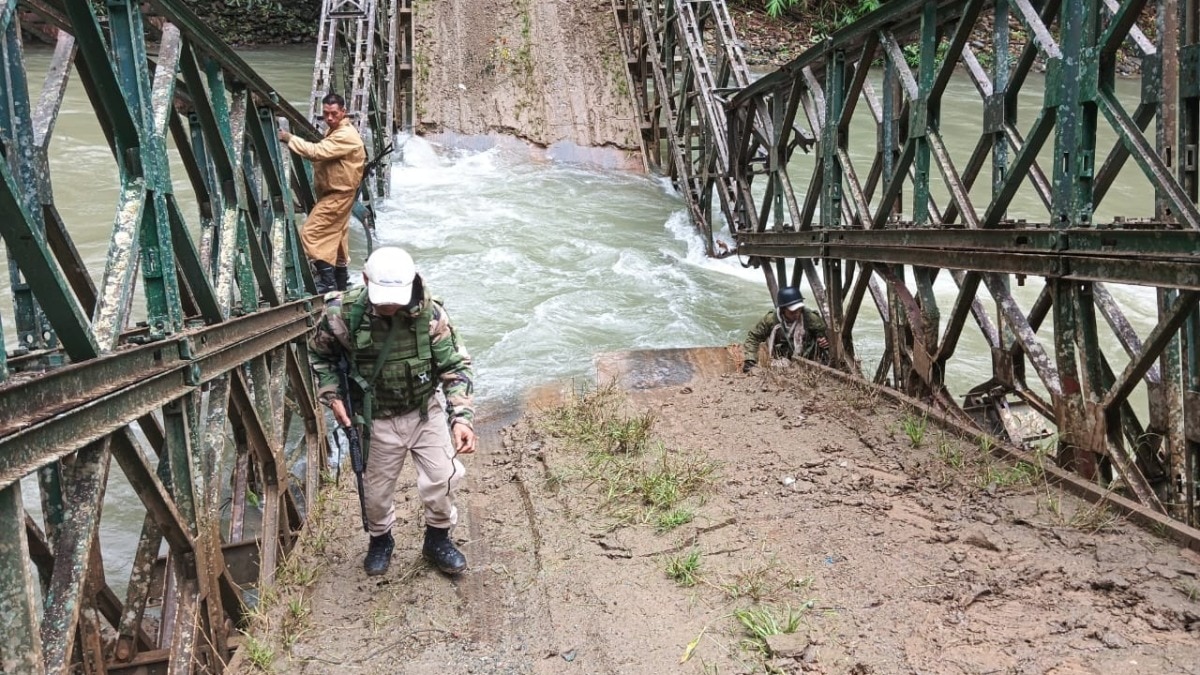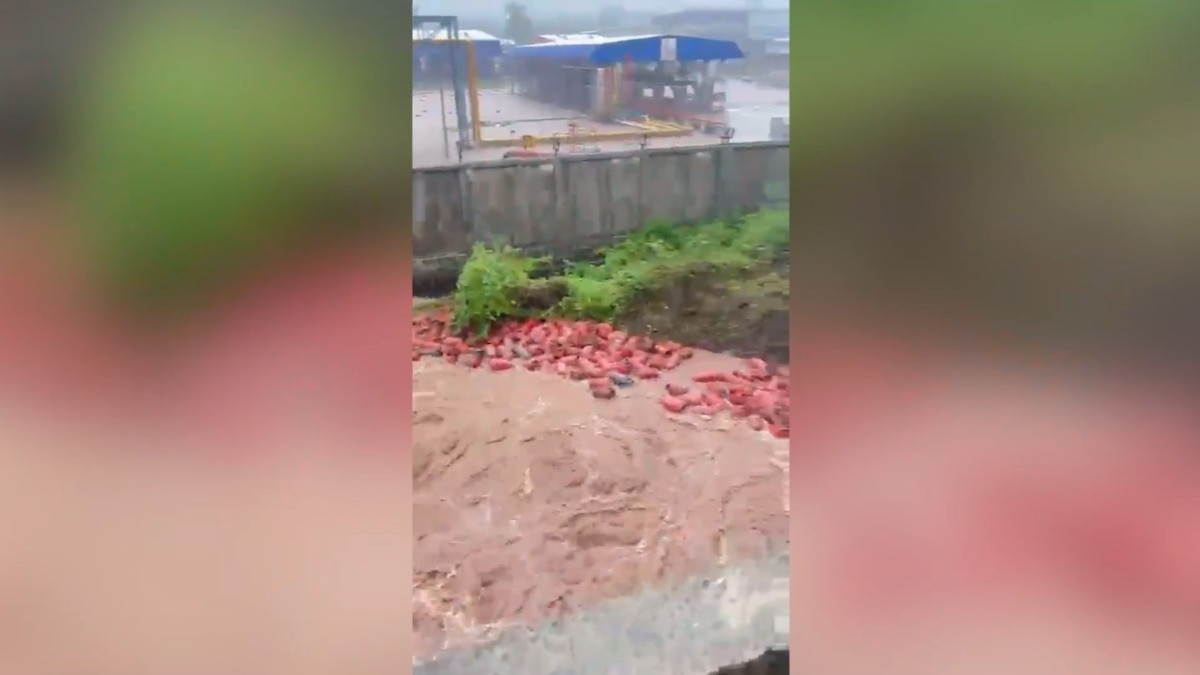
Heavy monsoon rains in Maharashtra's Raigda district caused floods that swept away roughly 3,000 LPG cylinders. Officials have warned citizens to avoid touching the floating cylinders, citing the risk of explosions and fires.
Heavy monsoon showers in Raigad district, Maharashtra, triggered a sudden rise in river levels, flooding large parts of the region. Video footage aired on local news channels shows about 3,000 LPG cylinders bobbing in the floodwaters, prompting panic and concern among residents.
Monsoon Context and Flood History
Located on the foothills of the Western Ghats, Raigad is prone to intense rainfall during the monsoon season. Over the past decade the district has experienced several flood events, but this time inadequate drainage and the rapid surge of water amplified the damage. The Indian Meteorological Department had already issued warnings, yet many rural hamlets lacked the infrastructure to divert excess water.
Risks Posed by LPG Cylinders
Floating LPG cylinders are more than a financial loss; they represent a grave public‑safety hazard. If a cylinder ruptures, liquefied petroleum gas can escape, creating an explosive atmosphere that may ignite from a spark or static discharge. India has recorded multiple incidents where flood‑displaced LPG cylinders led to fires and fatalities, underscoring the urgency of the current advisory.
Rescue Operations and Official Response
Raigad district authorities mobilised police, fire‑fighter units and the State Disaster Management Force to conduct rapid evacuations and rescue missions. Local health centres were put on standby to treat any water‑borne illnesses, while emergency teams worked to retrieve or secure the displaced cylinders.
Economic and Social Impact
The loss of thousands of cylinders strains household budgets and disrupts the supply chain for commercial kitchens and small enterprises that rely on LPG for cooking. The episode highlights a critical need for better flood‑risk planning and stricter safety protocols for gas storage in vulnerable regions. Experts recommend upgrading drainage systems, improving early‑warning networks, and launching public‑awareness drives to minimise similar hazards in future monsoon seasons.