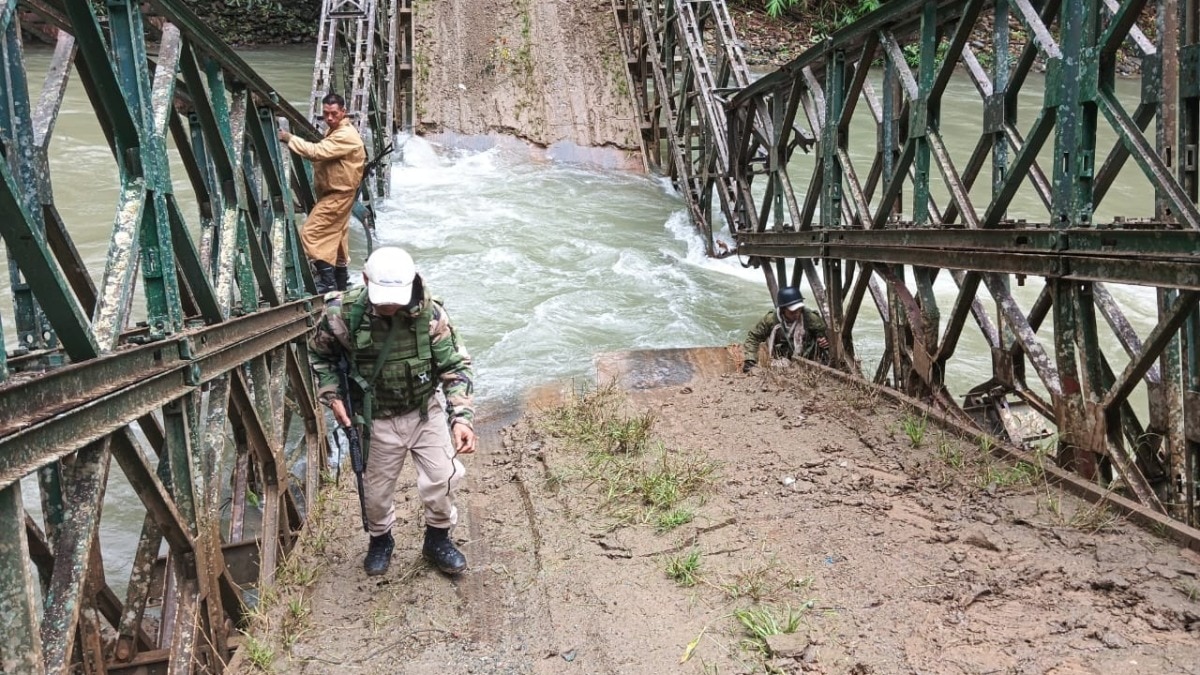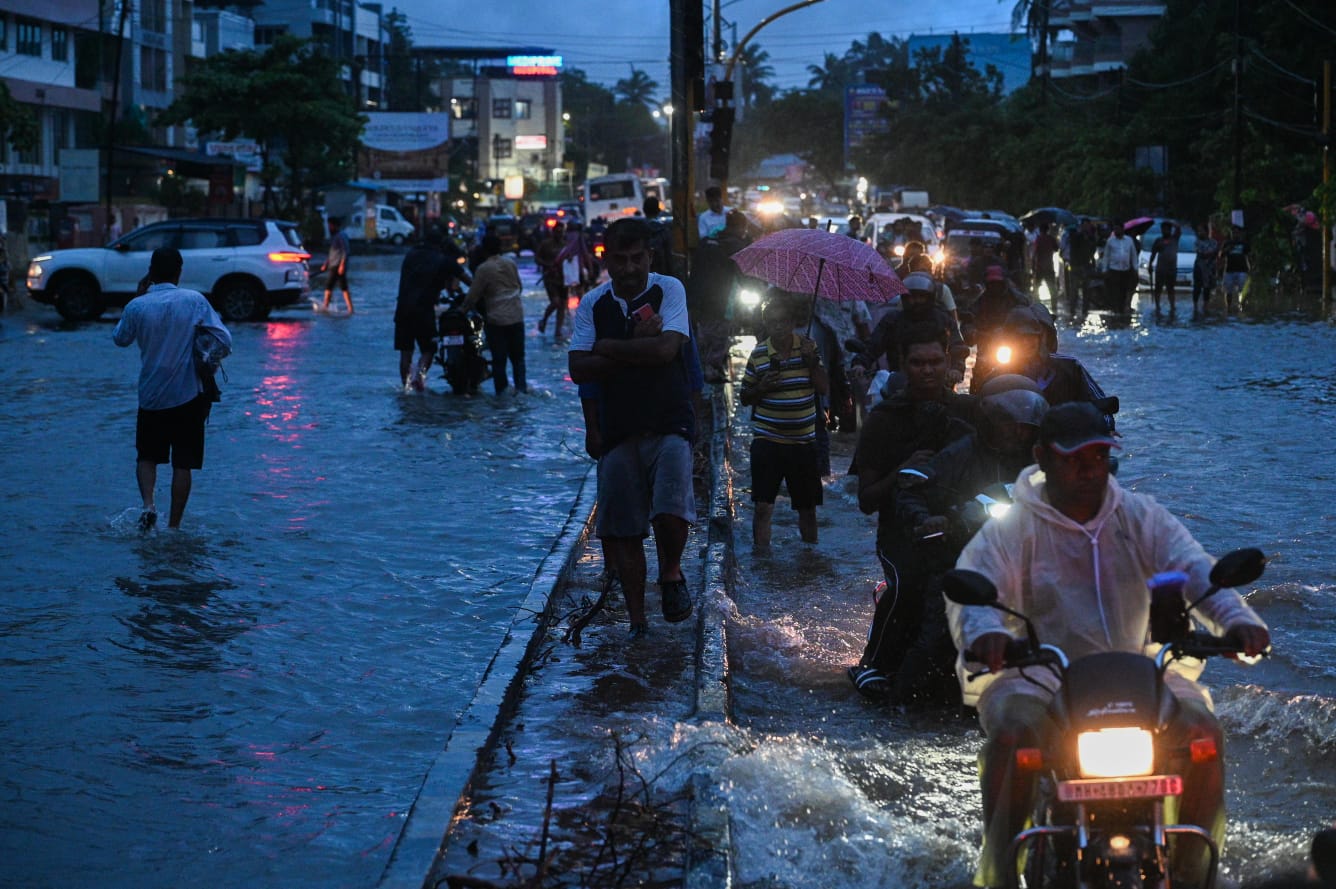
The southwest monsoon has officially reached all parts of India, marking its slowest progression since 2021. Despite a dry June, July's heavy rains are successfully bridging the rainfall deficit.
The India Meteorological Department (IMD) has announced that the southwest monsoon has successfully covered the entire Indian subcontinent as of Thursday, July 9. This development marks a significant milestone in the seasonal weather cycle, even though the progression has been notably slower than in recent years.
A Comparative Analysis of Monsoon Progress
This year's monsoon advance represents the most delayed full-country coverage since 2021, when the monsoon reached its peak coverage on July 12. In contrast, the previous few years saw a much more rapid onset. For instance, in 2025, the monsoon had covered the country by June 29, and in the years 2022, 2023, and 2024, the coverage was achieved consistently around July 2. The current delay in Rajasthan, Haryana, and Punjab highlights a shift in the seasonal rhythm.
Overcoming the June Deficit
The monsoon season has been characterized by extreme volatility this year. The month of June was particularly challenging, recording a staggering 40 percent deficit in all-India rainfall, which raised concerns regarding soil moisture and agricultural readiness. However, the tide has turned with the arrival of July. Consistent and heavy downpours since the beginning of the month have helped compensate for the earlier shortfall.
Current Rainfall Statistics and Forecast
As of July 8, the IMD reports that the country has received a total of 195.5 mm of rainfall, accounting for 15 percent of the seasonal norm, which is classified as 'normal.' Currently, only about 25 percent of India's geographical area remains in a rain-deficient state. Looking ahead, the IMD has issued warnings for widespread heavy rainfall across Northern and Central India, specifically targeting Delhi, Punjab, Haryana, Uttar Pradesh, and Madhya Pradesh over the next 48 hours.