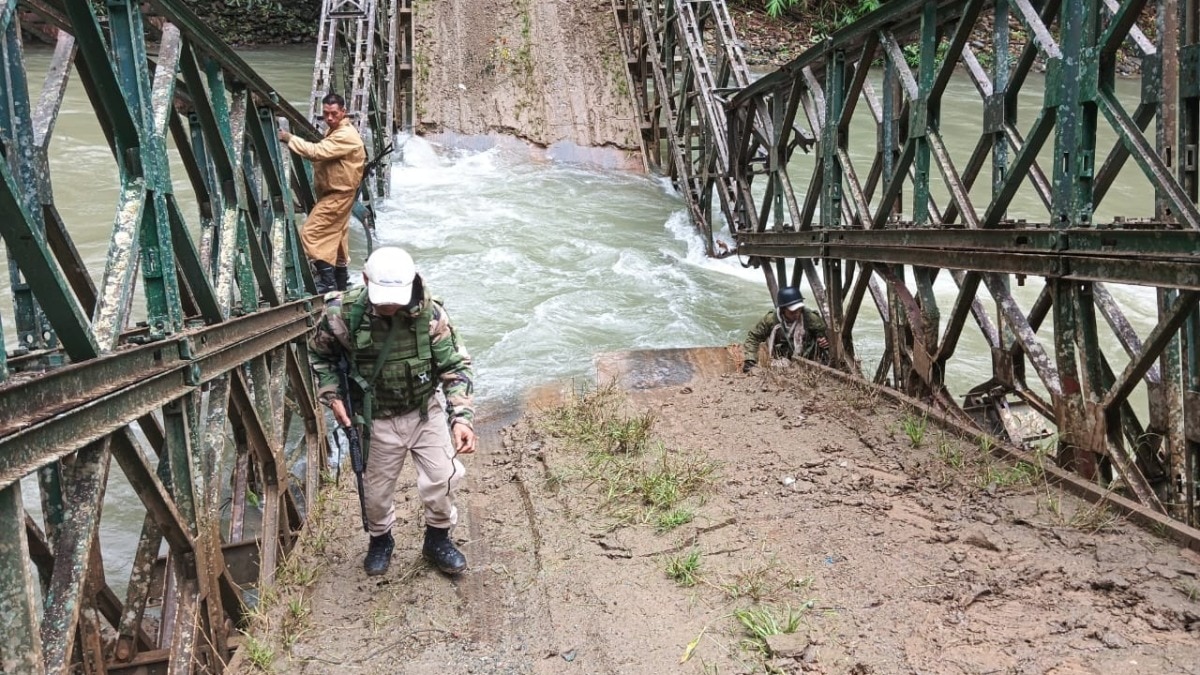
The West Bengal‑based trawler ‘Maa Kali’, which set sail on July 2 with 15 fishermen aboard, lost contact after encountering a low‑pressure system that whipped up rough seas in the Bay of Bengal. The incident triggered a large‑scale search‑and‑rescue operation involving the navy, coastal police and state authorities.
On July 2, the Indian fishing trawler Maa Kali departed from the Shankarpur Fishing Harbour in West Bengal, heading into the Bay of Bengal for a deep‑sea fishing expedition with a crew of 15. Within hours, a rapidly intensifying low‑pressure system generated gale‑force winds and waves exceeding five metres, cutting off all communications with the vessel.
Background of the Incident
Fishing remains a cornerstone of the coastal economies of West Bengal and Odisha, supporting thousands of families. Small‑scale trawlers like Maa Kali are vital for livelihoods but are also highly vulnerable to sudden weather changes, especially during the monsoon transition period.
Weather Conditions in the Bay
Meteorological services had issued a warning for the Bay of Bengal, citing an emerging low‑pressure cell that would bring sustained winds of 30‑35 km/h and erratic sea states. Despite the advisory, economic pressures often compel fishermen to set out, hoping to maximise the short window of profitable catch.
Search and Rescue Operations
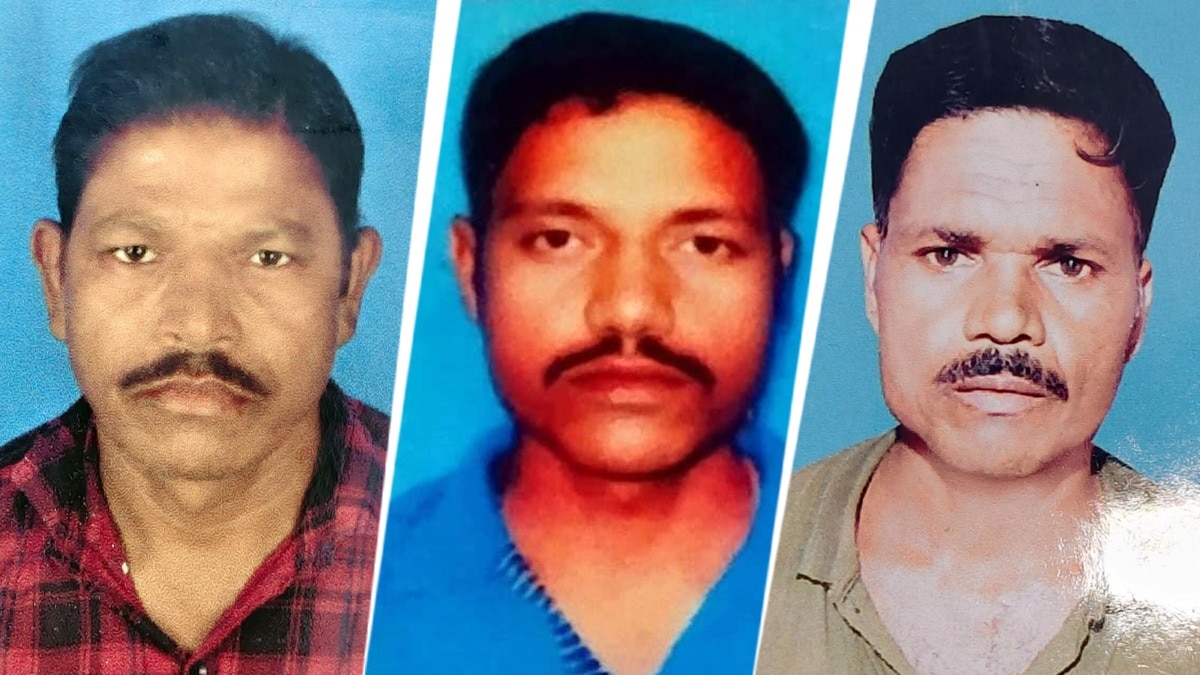
When the trawler failed to report back, the Digha Fishermen and Fish Traders’ Association alerted marine police. The Indian Navy, coastal police units from Digha and Mandarmani, and state disaster response teams deployed helicopters, patrol vessels and drones to locate the missing vessel. Three of the missing crew members—Rabindra Majhi, Jagannath Majhi and Jayaram Majhi—are from Balasore district in Odisha; the remaining twelve hail from West Bengal. No official word on survivors has been released yet.
Implications and Future Outlook
This disappearance underscores the urgent need for stricter enforcement of weather advisories, modern navigation aids, and robust licensing for small fishing boats. Experts argue that providing financial safety nets to fishermen could deter risky outings during adverse conditions, thereby safeguarding lives and sustaining the sector’s long‑term viability.