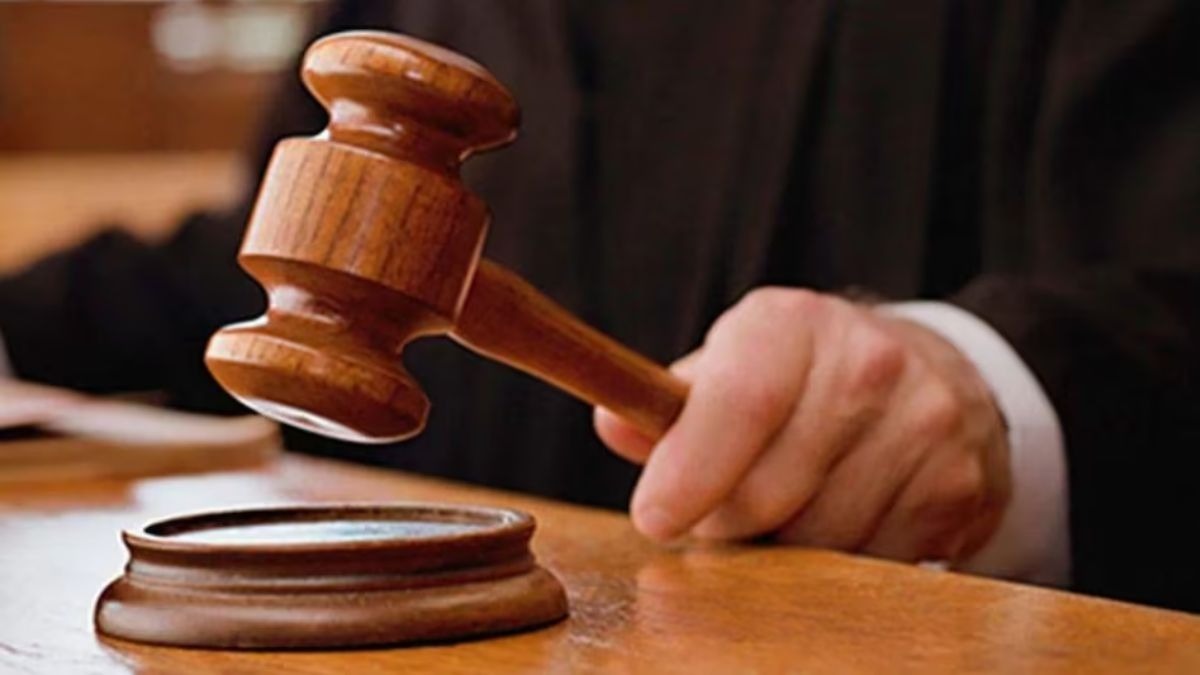
A Delhi Sessions Judge acquitted Abhinesh Tripathi in a 2021 attempted murder case after the sole witness, Rashmi, died before testifying, leaving the prosecution without sufficient evidence. The verdict highlights challenges in domestic violence prosecutions when key witnesses are unavailable.
Key Takeaways (मुख्य बिंदु)
- The sole witness, Rashmi, died before she could testify
- Prosecution failed to prove the charges beyond reasonable doubt
- Abhinesh Tripathi was acquitted
Principal District and Sessions Judge Sanjay Sharma of Delhi delivered a landmark order on July 6, clearing Abhinesh Tripathi of attempted murder charges. The case, originally filed in April 2021 by his wife Rashmi, hinged entirely on her testimony.
Background of the Case
Rashmi lodged a complaint alleging that her husband assaulted her with a hockey stick after she refused to speak to an unknown person at his insistence. She later claimed he, intoxicated, threw her from the third floor of their home, prompting the addition of an attempted murder charge under IPC Sections 307, 323, 341 and 506.
Witness Death and Evidentiary Gap
During the trial, summons issued to Rashmi went unserved after she moved out of her rented accommodation. Her father later informed the court that she had passed away. He also disclosed that she had settled all disputes with the accused, obtained a mutual consent divorce, and received an alimony of ₹8 lakh.
With Rashmi’s death, the prosecution was left with only formal police witnesses, whose statements were deemed insufficient to establish the alleged offenses. The court noted that no alternative witness could recount any overt act by the accused.
Judicial Reasoning
The judgment read, “In the present case, the only material witness i.e. complainant/injured Rashmi has expired and prosecution has not cited any other witness, who can depose regarding any overt act done by the accused.” Consequently, the court concluded that the prosecution could not meet the “beyond reasonable doubt” standard, leading to Tripathi’s acquittal.
Implications for Future Cases
This outcome underscores the critical need for robust witness protection and rapid evidence collection in domestic violence prosecutions. Courts may need to explore alternative evidentiary mechanisms—such as recorded statements or forensic documentation—to prevent case collapse due to a witness’s untimely death.
Social media reactions have been swift, with many questioning the efficacy of India’s criminal justice system in handling intimate partner violence. The verdict may prompt legislative and procedural reforms aimed at safeguarding victims and ensuring that justice is not derailed by procedural shortcomings.