Following the rape‑murder of an 11‑year‑old girl in Baruipur, West Bengal, five additional suspects were taken into custody, raising the total number of arrests to 35. Police say more raids are underway and further arrests are expected.
Five more individuals were apprehended during overnight raids in the Baruipur police jurisdiction of South 24 Parganas, West Bengal, bringing the tally of those detained for the recent mob violence to 35. A senior police officer told PTI that additional operations are ongoing and more arrests are likely.
Chronology of the Incident
The tragedy began on Saturday when an 11‑year‑old girl left her home in Baruipur to purchase a birthday gift for a friend. After she failed to return, her family filed a missing‑person report. Her body was recovered the next day from a nearby field, sparking outrage across the district.
Mob Lynching and Assault on Police
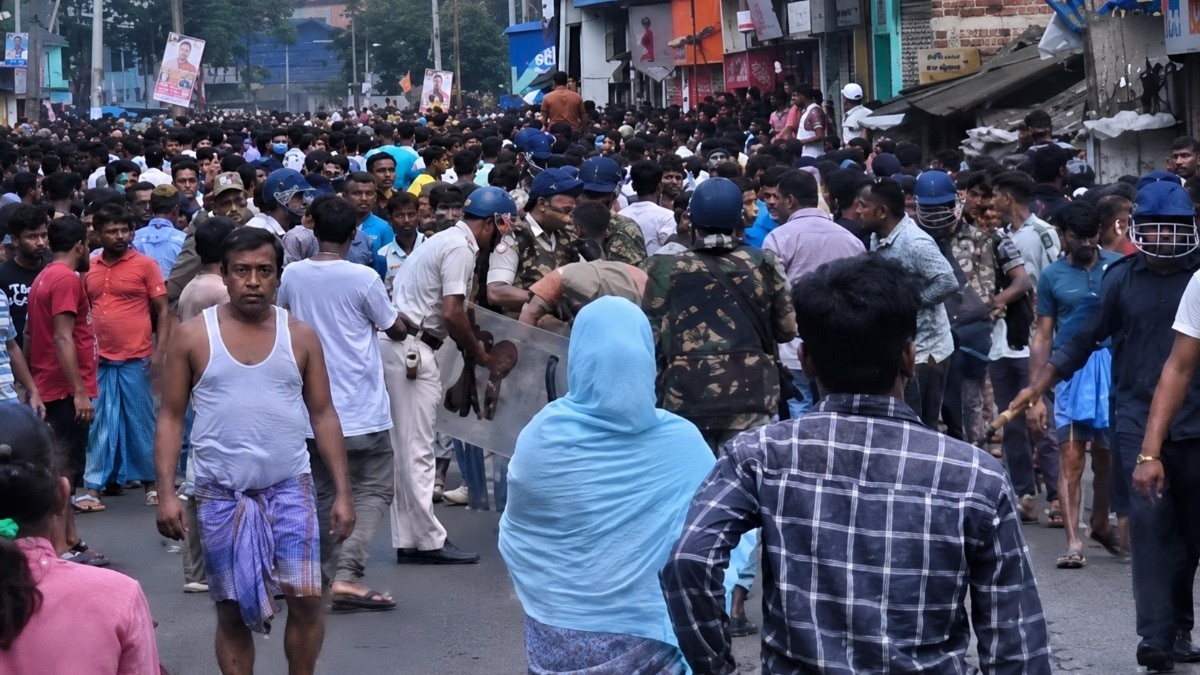
Within hours, a local crowd seized Indrajit Mondal, a young man they suspected of involvement, and lynched him. The mob then blocked roads, damaged railway tracks, and attacked police personnel attempting to restore order. Several police vehicles were vandalised, and officers faced physical assaults, prompting the police to label the attacks as "serious offences".
Political and Legal Repercussions
Bengal heavyweight Suvendu Adhikari publicly declared Mondal innocent and warned that those who participated in the lynching would face murder charges. In the underlying rape‑murder case, four primary suspects—Anand Sardar, Prabhas Mondal, Dibakar Sardar and Kabir Molla—have already been arrested. Police also reported that Mondal died in an encounter on Tuesday night after allegedly trying to snatch a service firearm from an officer.
Why This Matters?
The episode underscores how communal fury can derail formal judicial processes, risking further law‑and‑order breakdowns. It also highlights the urgent need for robust mechanisms to protect vulnerable children and ensure that mob justice does not replace the rule of law.
Looking Ahead
Authorities are now relying on technical evidence, CCTV footage, and eyewitness statements to identify all participants, both direct and indirect. Legal experts warn that without swift, transparent prosecutions, public confidence in the criminal justice system could erode, potentially emboldening future acts of vigilantism.