On July 10, 1986, a communal clash erupted in Ahmedabad’s walled city during the annual Rath Yatra, leaving 11 dead and nearly 80 injured. This article revisits the incident, its political fallout, and the lessons it holds for contemporary India.
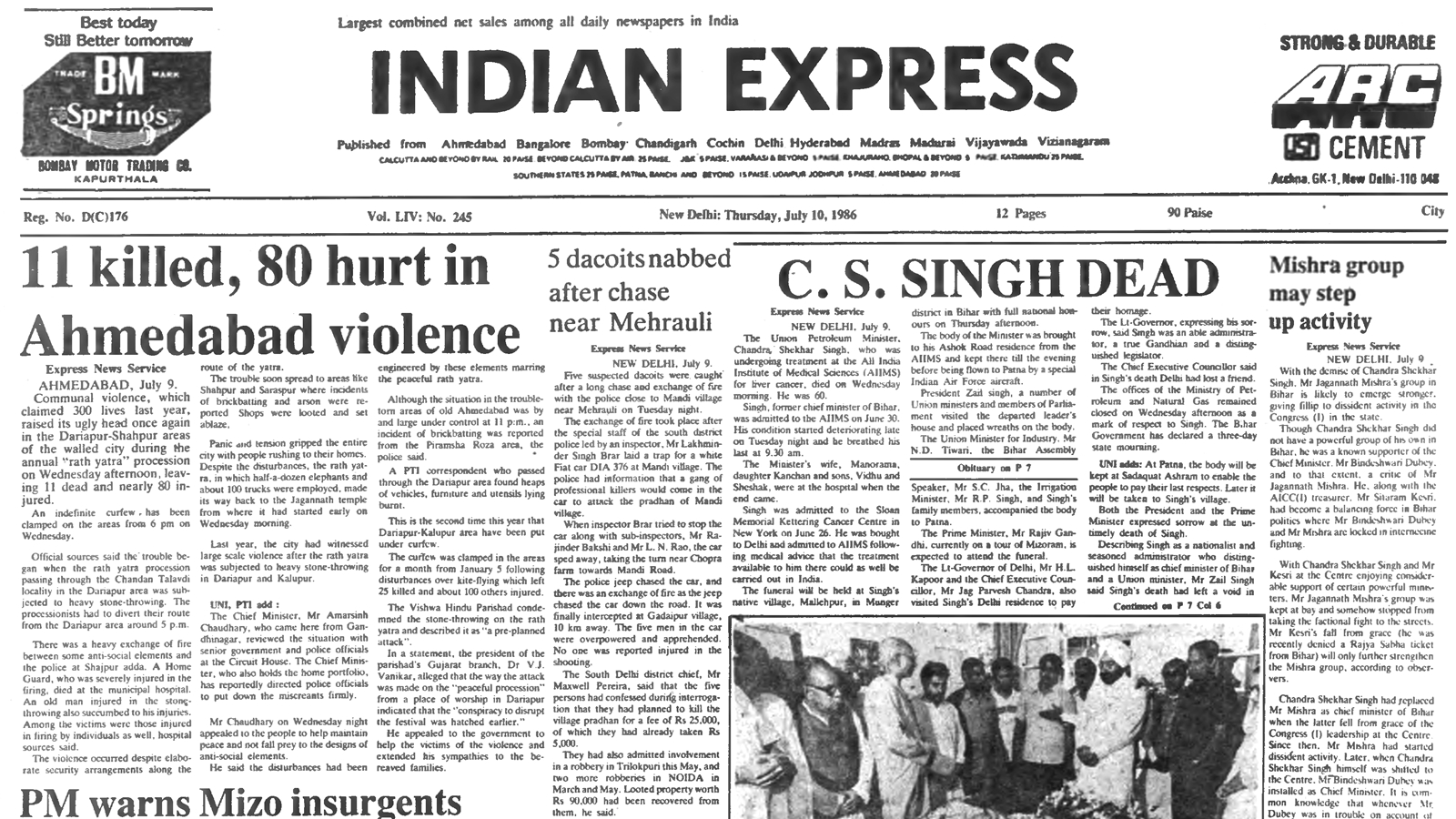
On July 10, 1986, Ahmedabad’s historic walled city witnessed a deadly communal flare‑up in the Dariapur‑Shahpur precincts as the annual Rath Yatra procession passed through. Stone‑throwing at the Chandan Talavdi locality forced the procession to divert, sparking a violent clash that claimed 11 lives and injured close to 80 people. Authorities imposed an indefinite curfew, while police resorted to lathi‑charge to disperse the mob.
Historical Context
The 1980s were a turbulent decade for Gujarat, marked by recurring communal tensions that culminated in the 1985 Vadodara riots and later the 1992 Gujarat riots. The 1986 incident stood out because it unfolded during a religious procession, a setting that amplified sectarian emotions. Economic disparity, political opportunism, and the presence of local agitators created a combustible environment that quickly spiraled out of control.
Political and Administrative Fallout
Coinciding with the violence, the nation mourned the death of Union Petroleum Minister Chandra Shekhar Singh, who succumbed to liver cancer at AIIMS at the age of 60. Singh, a former Bihar chief minister, had been admitted on June 30. His passing added a somber tone to an already volatile day, pressing the central government to balance grief with the urgent need for law‑and‑order measures.
Parallel Unrest
On the same day, a Haryana Sangharsh Samiti rally descended into chaos when members of the Lok Dal turned violent, setting fire to a state transport bus, two jeeps and a furniture shop. Police arrested around 200 participants. Meanwhile, in Sri Lanka’s northeastern port city of Trincomalee, a curfew was imposed after 21 fatalities were reported in two separate incidents, underscoring the broader regional volatility of the period.
Contemporary Reflections
Four decades later, the Ahmedabad episode serves as a stark reminder that religious gatherings, without robust security and community engagement, can become flashpoints for violence. Scholars argue that effective crowd‑management, rapid administrative response, and proactive inter‑faith dialogue are essential to prevent recurrence. By studying the 1986 riots, policymakers can craft more resilient frameworks that safeguard pluralistic harmony in India’s diverse society.