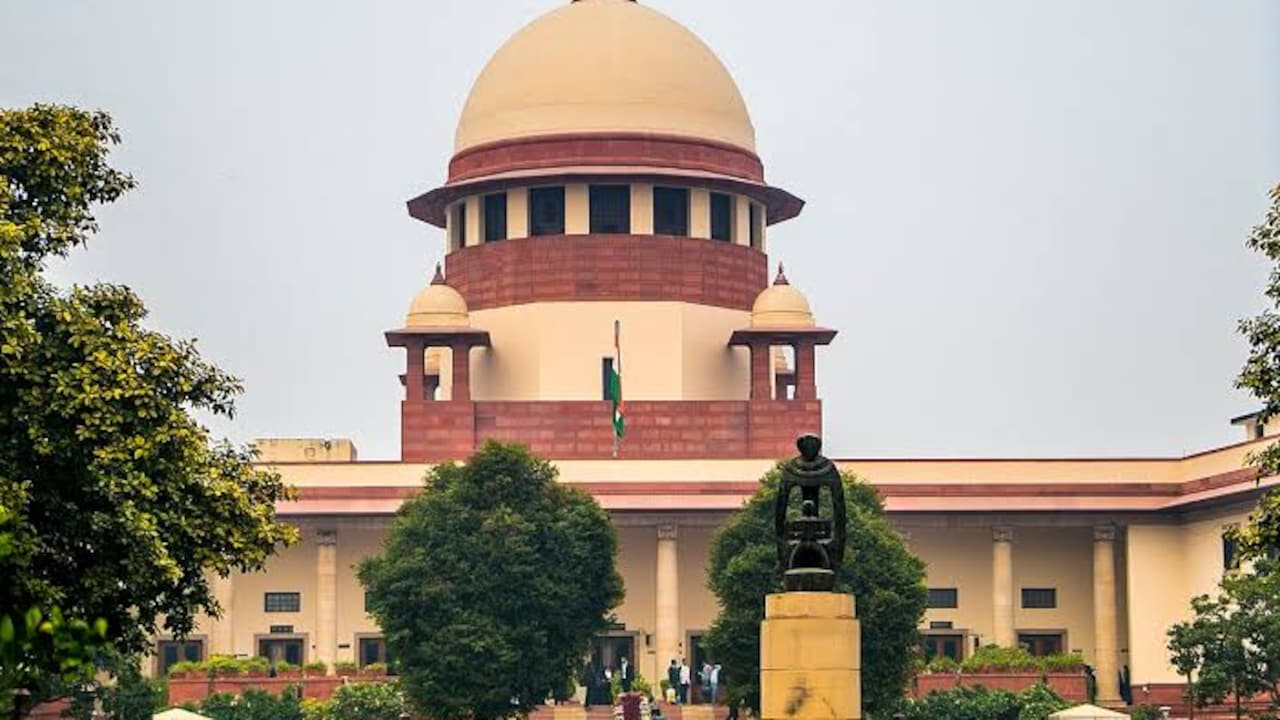
On July 8, the Supreme Court gave a verbal nod to an IPS officer's plea against a 1993 Home Ministry memo restricting maternity leave during probationary training, potentially reshaping career pathways for women police officers.
मुख्य बिंदु (Key Takeaways)
- The Supreme Court verbally endorsed the arguments of IPS officer Sengar challenging the 1993 Home Ministry memo.
- The ruling could grant female IPS trainees the right to maternity leave without jeopardising their probationary assessment.
- This development signals a broader shift toward gender parity and workplace safety in India's police forces.
The apex court of India delivered a pivotal oral ruling on July 8, signaling support for IPS officer Sengar's challenge to a decades‑old administrative directive. The contested directive, a 1993 Office Memorandum (OM) issued by the Ministry of Home Affairs, barred female officers from taking maternity‑related breaks during their probationary training period.
Historical Context
Since its inception, the 1993 OM operated on the premise that any interruption caused by maternity would undermine the rigor of police training. Over the years, the policy attracted criticism for disproportionately affecting women officers at the very start of their careers, contravening constitutional guarantees of equality. Multiple petitions have sought its repeal, but a definitive judicial verdict remained elusive—until now.
Supreme Court's Verbal Endorsement
In a concise oral pronouncement, the bench affirmed the merit of Sengar's submissions, indicating that the court views the memo as inconsistent with the Constitution's gender‑equality clause and the broader objectives of national security. While a formal written order is pending, the verbal endorsement itself carries substantial weight, shaping expectations for an eventual directive that may overturn the restrictive provision.
Implications for the Police Service
Should the final judgment echo today's verbal stance, female IPS trainees will likely be permitted to avail maternity leave without penalty, ensuring uninterrupted career progression. This change could set a precedent for other uniformed services and government departments, prompting a systematic review of gender‑biased policies across the public sector.
Expert Perspectives
Legal analysts argue that the Supreme Court’s approach reflects an evolving jurisprudence that aligns with global standards of workplace inclusivity. They caution, however, that legislative and administrative bodies must translate judicial goodwill into concrete policy revisions; otherwise, the impact may remain limited to symbolic victory.