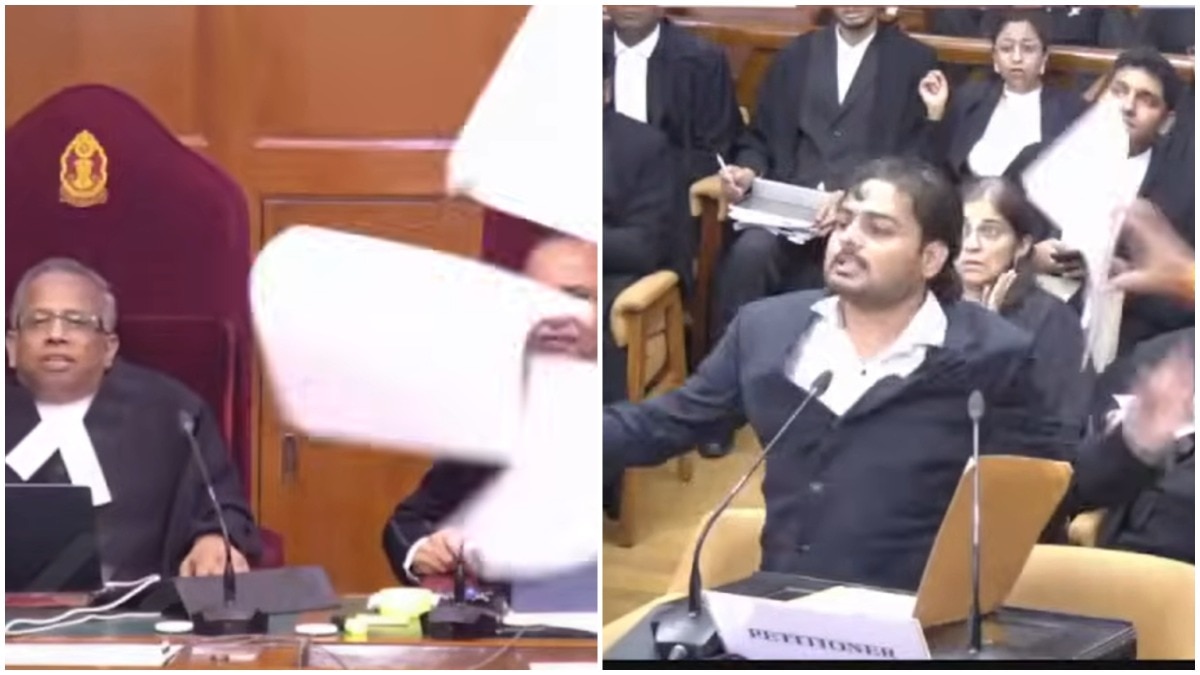
In an unprecedented outburst inside India's Supreme Court, a complainant hurled documents and verbally abused Chief Justice Justice Naveen Kumar, sparking a heated debate on courtroom decorum and security. The incident has ignited discussions on judicial dignity, procedural safeguards, and public reaction.
Key Takeaways
- Complainant threw papers in the Supreme Court
- Verbal abuse directed at the Chief Justice
- Debate on judicial decorum and public response
New Delhi – Yesterday, the highest court of India witnessed a shocking outburst that rattled its hallowed halls. A complainant, who had entered the courtroom under the pretext of filing a petition, suddenly stood up, flung his documents into the air, and shouted profanities at Chief Justice Naveen Kumar. The episode not only exposed gaps in courtroom security but also raised profound questions about the respect owed to the judiciary.
Chronology of the Incident
The individual, identified as a senior manager of a private firm, had been scheduled for a hearing on a corporate grievance. Mid‑way through the proceedings, when Justice Kumar sought clarification on certain points, the complainant erupted, shouting, "People like you are ruining the nation!" He then tossed the papers he was holding, creating a brief chaos before security personnel intervened. The sudden disruption left lawyers, journalists, and onlookers momentarily stunned.
Historical Precedents and Current Protocols
While rare, the Supreme Court has faced similar disruptions in the past. In 2015, a law student staged a protest inside the courtroom, prompting a review of security measures. Following that, the court introduced stricter entry checks, but the recent episode suggests lingering vulnerabilities. Legal scholars argue that a comprehensive reassessment of identification procedures, visitor screening, and a clear code of conduct for courtroom behavior is overdue.
Social and Legal Ramifications
The incident quickly went viral on social media, dividing public opinion. Some citizens demanded stricter penalties for contempt of court, emphasizing the need to uphold institutional respect. Others sympathized with the complainant’s frustration, pointing to perceived opacity in the judicial process. Experts warn that unchecked outbursts could erode confidence in judicial outcomes, undermining the rule of law.
Future Measures and Potential Reforms
In response, the Supreme Court has ordered an internal inquiry and mandated additional training for its security staff. The bench also announced a new multi‑layered verification system for all petitioners, coupled with a mandatory briefing on courtroom etiquette. Legal analysts recommend drafting a detailed “Courtroom Conduct Code” to prevent recurrence and preserve the sanctity of the nation’s apex judicial forum.