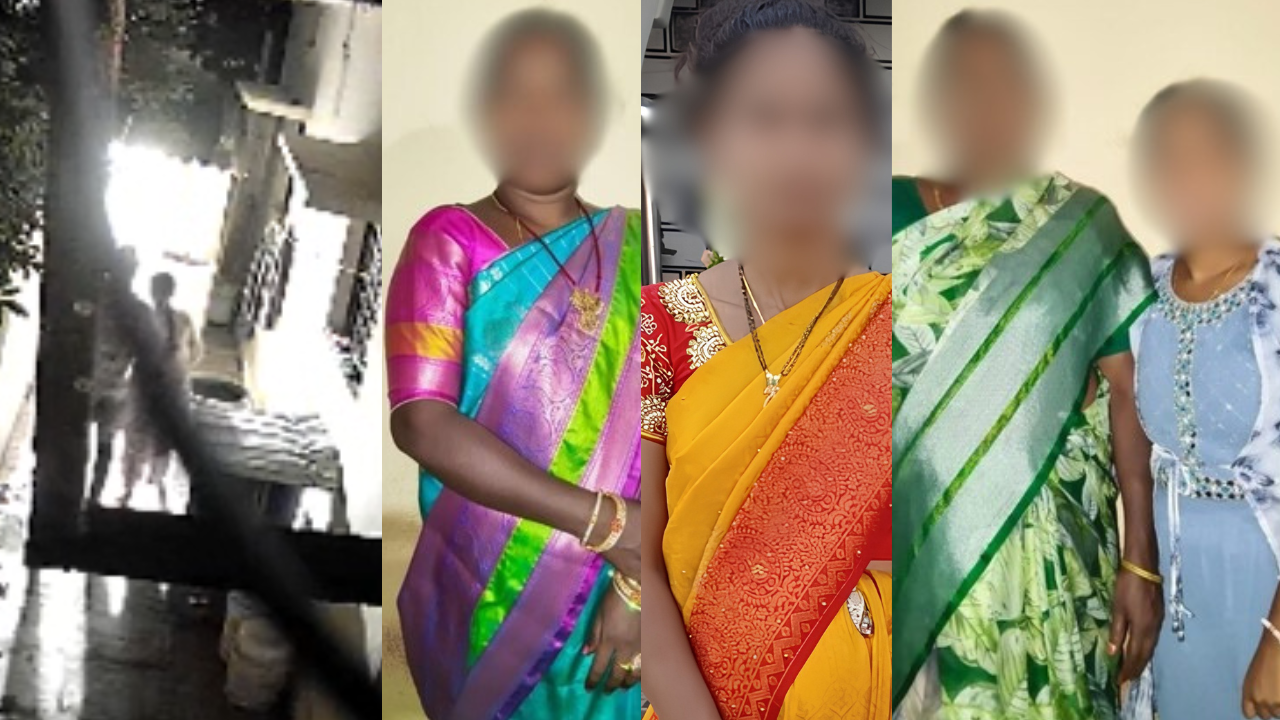
A 35‑year‑old farmer from Ranga Reddy district allegedly murdered six people, including a 16‑year‑old POCSO victim, her mother and grandmother, before slaying his own wife and two young sons. Police have launched a large‑scale manhunt to locate the absconding suspect.
Key Takeaways (मुख्य बिंदु)
- Farmer killed six people after a POCSO complaint
- Victims included a 16‑year‑old girl, her mother, grandmother, and his own wife and children
- Accused was out on bail; now on the run, police have issued a manhunt
A 35‑year‑old farmer from Ranga Reddy district perpetrated a grisly killing spree on Friday night, leaving six bodies in Shabad town and his native village. The chain of murders began after a May‑filed POCSO (Protection of Children from Sexual Offences) complaint accused him of stalking a teenage girl.
Background: POCSO Law and Bail Controversy
The POCSO Act, enacted in 2012, mandates stringent punishments for sexual offences against children. In this case, the 16‑year‑old victim’s family filed a complaint alleging the farmer’s predatory behavior, which led to a formal investigation. Yet, in June, the Shabad court granted the accused anticipatory bail, releasing him on a personal bond because the alleged offence carried a maximum sentence of less than seven years. Legal experts argue that such bail provisions can be misused, especially when the accused has already demonstrated violent tendencies.
Chronology of the Murders
According to police, the suspect left his village around 10:45 pm and drove roughly six kilometres to Shabad. Upon arrival, he forced his way into the teenage girl’s home. When the 42‑year‑old mother opened the door, he stabbed her to death. He then entered the bedroom, killing the 60‑year‑old grandmother who was asleep, before abducting the teenager and placing her in his car.
Remarkably, the girl’s 20‑year‑old sister, who has a mental disability, was left unharmed—a detail that shocked investigators. The farmer then drove to a lake (bund) in his village, where he brutally stabbed the girl to death and dumped her body near the water’s edge.
Returning home at 11:21 pm, the suspect entered his own house, where he slit the throats of his 31‑year‑old wife and their two sons—aged four and 18 months—while they slept. After the killings, he called his father in Shabad, confessed the acts, and fled the village in a car.
Implications for Law Enforcement and Society
This tragedy underscores systemic gaps in handling POCSO cases. Victims often endure prolonged legal battles, while accused individuals may secure bail even after serious allegations. Criminologists warn that releasing perpetrators under lenient conditions can exacerbate the risk of retaliatory violence, as possibly manifested in this case.
Human‑rights groups are now urging the state government to tighten bail criteria for sexual offences against minors and to improve victim‑support mechanisms. The incident also raises questions about community safety in semi‑rural Telangana, where law‑enforcement resources are stretched thin.
Police Response and Ongoing Manhunt
Hyderabad police have declared the farmer a fugitive and launched an aggressive manhunt. Future city commissioner Tarun Joshi stated, "The accused is absconding, and we do not yet know what triggered him to kill the girl, her family, and his own family members." Authorities are leveraging CCTV footage, local informants, and drone surveillance to track the suspect’s whereabouts.
As the investigation unfolds, the case is likely to influence future judicial scrutiny of bail applications in POCSO matters, and it may prompt legislative reviews aimed at safeguarding vulnerable children from repeat offenders.