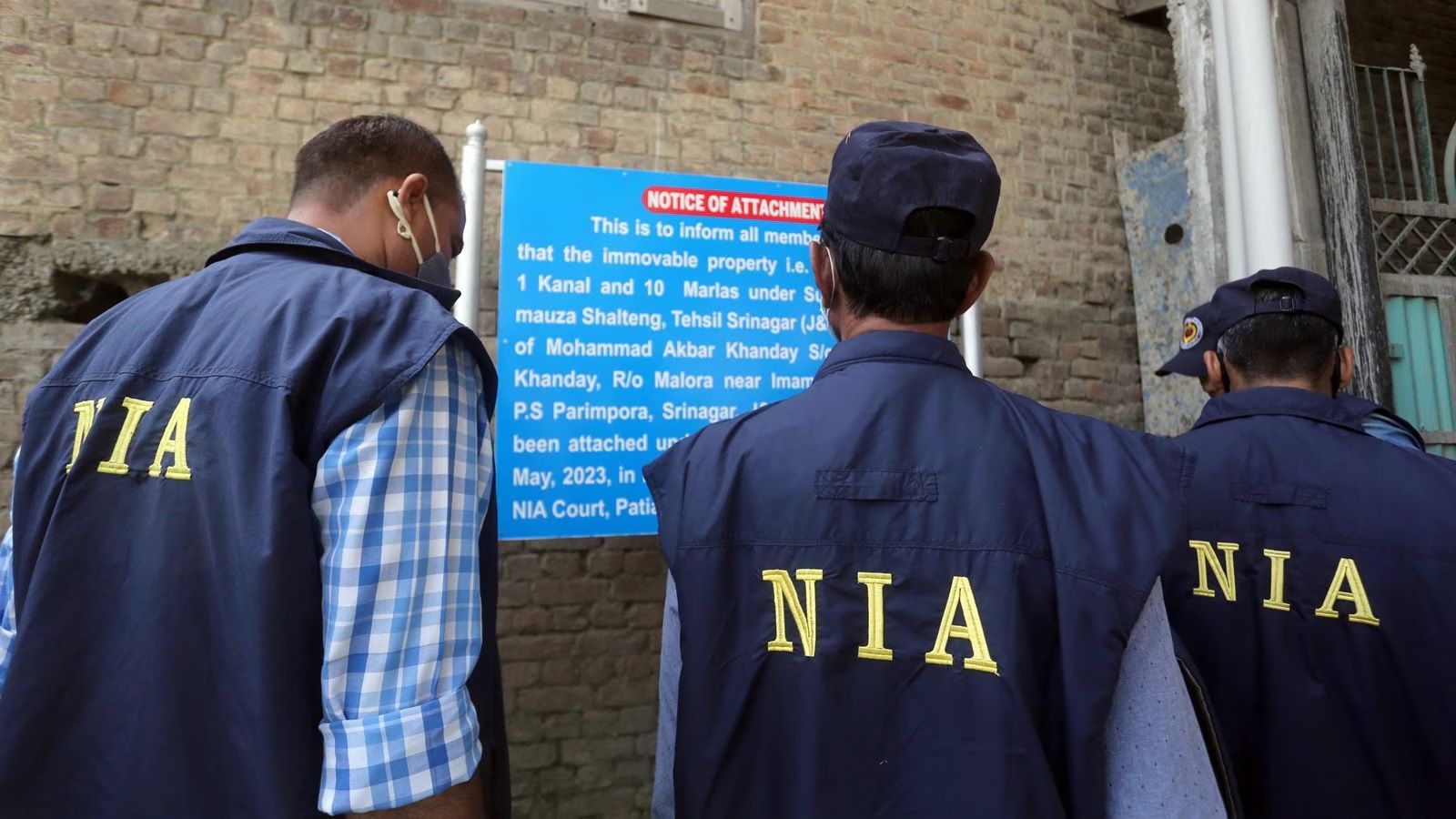
India's National Investigation Agency has lodged a comprehensive chargesheet against Pakistan‑based terrorist Shehzad Bhatti and seven Indian nationals over the car bomb explosion at Ambala's Baldev Nagar police station. The filing cites violations of anti‑terrorism, explosives, and telecommunications laws.
मुख्य बिंदु (Key Takeaways)
- Shehzad Bhatti and seven Indians charged under UAPA and related statutes
- Car bomb at Ambala police station was part of a larger cross‑border terror network
- NIA invoked the Unlawful Activities (Prevention) Act, Explosive Substances Act, Bharatiya Nyaya Sanhita and Telecommunication Act
The National Investigation Agency (NIA) on July 12, 2026 filed a detailed chargesheet before the Special NIA Court in Panchkula, implicating eight accused—including Pakistan‑based gangster‑turned‑terrorist Shehzad Bhatti—in the January car‑bomb blast at Baldev Nagar police station, Ambala, Haryana.
Background and Core Allegations
According to the chargesheet, Bhatti, already wanted in multiple terror cases, had established operational cells across India. He recruited local operatives, coordinated logistics, and supplied explosive substances and gas cylinders to execute attacks on police installations. The document outlines a systematic recruitment, financing, and execution chain, facilitated through encrypted messaging apps and social‑media platforms.
Identified Indian Co‑Accused
The Indian nationals named are Karamjit Singh (alias Tony), Akash, Soureb (alias Sobi/Sourab), Raman Kumar, Satyam, Sukhdev Singh (alias Sukha) and Amarjeet Singh (alias Ambi). Akash is described as Bhatti’s “principal India‑based operative,” responsible for synchronising the attack with the other conspirators.
Legal Framework Applied
All eight accused have been charged under the Unlawful Activities (Prevention) Act, 1967 (UAPA), the newly enacted Bharatiya Nyaya Sanhita, 2023, the Explosive Substances Act, 1908, and the Telecommunication Act, 2023. These statutes collectively address terrorism financing, recruitment, procurement of explosives, and misuse of communication networks.
Investigation Findings and Ongoing Probes
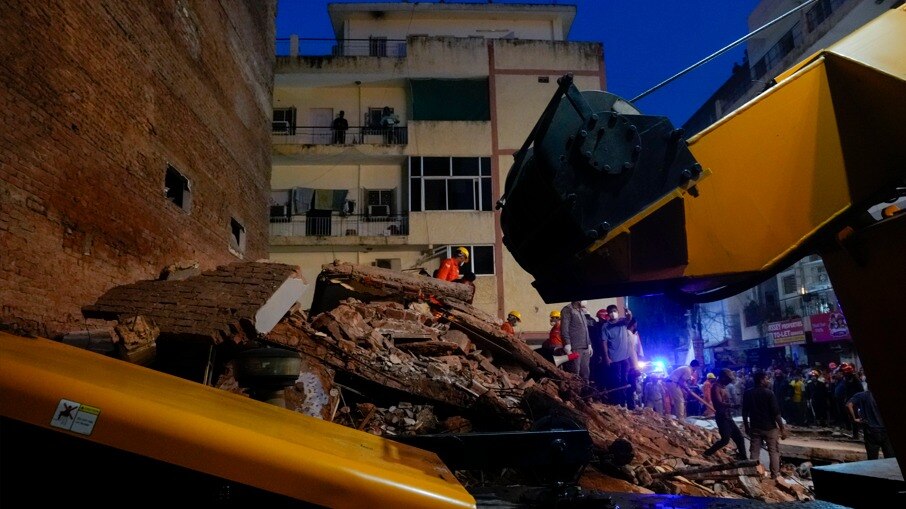
The NIA’s investigation revealed that the conspirators parked a vehicle laden with gas cylinders and explosives inside the police station premises, recorded the scene for “dissemination and publicity,” and maintained continuous contact with Bhatti throughout the planning phase. Digital, electronic, documentary, and forensic evidence linked the accused to Bhatti’s directives, reinforcing the cross‑border nature of the plot.
Authorities assert that the probe is still active, aiming to uncover any further links to external terror networks and to prevent similar attacks on law‑enforcement facilities across the country.