India accelerates its journey toward 'Viksit Bharat' with massive investments in the Dedicated Freight Corridor, railway modernization, and high-speed rail technology.
- Completion of the Dadri to JNPT Dedicated Freight Corridor (DFC).
- Redevelopment of 280 stations and addition of 36,000 km of new tracks.
- Nationwide implementation of the 'Kavach' safety system.
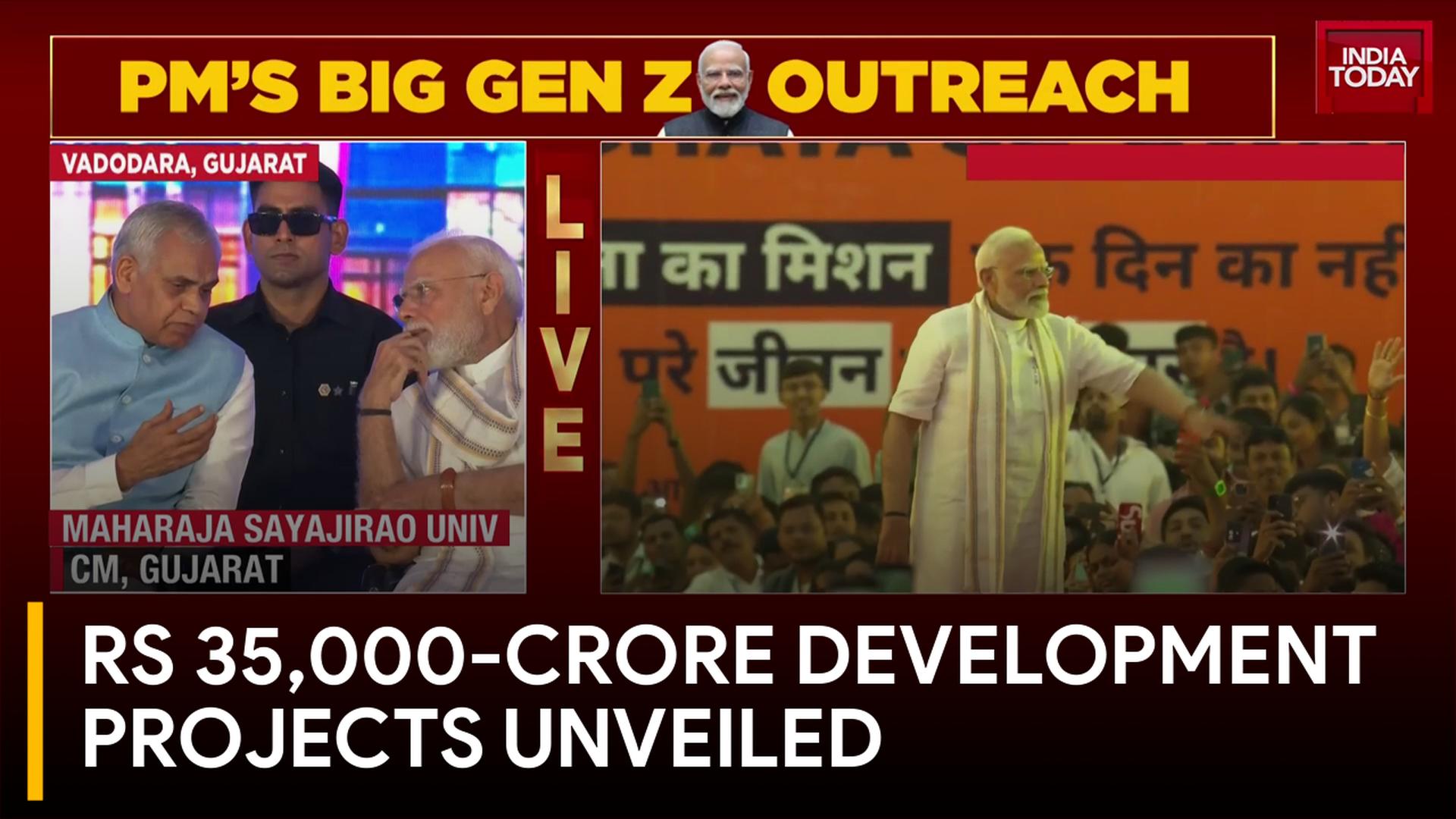
In a massive push toward becoming a global economic powerhouse, India has unveiled a series of transformative infrastructure projects valued at over ₹35,000 crore. Central to this vision is the completion of the Dedicated Freight Corridor (DFC) from Dadri to JNPT, a milestone that promises to drastically reduce logistics turnaround times and boost national trade efficiency.
The modernization of the Indian Railway network is undergoing a systemic overhaul. This includes comprehensive upgrades to tracks, stations, overhead equipment, and advanced signaling systems. To date, the massive undertaking has seen the complete redevelopment of 280 stations and the laying of 36,000 kilometers of new tracks, ensuring a more robust and reliable network for millions of passengers and tons of cargo.
Why This Matters
BozokMedia analysis shows that these strategic investments are designed to decouple passenger and freight traffic, allowing for higher speeds and greater frequency. By expanding capacity through four-lining major corridors, India is effectively future-proofing its supply chain against growing industrial demand.
The integration of high-speed technology and dedicated freight routes marks India's transition from a traditional railway system to a modern, high-efficiency logistics engine.
Safety remains a paramount priority, with the nationwide rollout of the indigenous Kavach safety system. This technology is designed to prevent collisions and enhance operational safety across the vast network. Furthermore, the fleet of modern trains, including Vande Bharat, Amrit Bharat, and Namo Bharat, continues to expand, catering to diverse socio-economic segments.
The high-speed rail segment is also gaining momentum. Construction of the high-speed corridor between Surat and Vapi is on track for completion this year, with the first phase of bullet train testing expected to commence next year. This will signal a new era of rapid transit in the country.
Frequently Asked Questions
1. What is the significance of the Dadri to JNPT corridor?
It is a dedicated line for freight, which helps in moving goods faster and more efficiently without interfering with passenger trains.
2. When will the Bullet Train testing begin?
Initial testing of the high-speed train sets is scheduled to begin next year following the completion of the Surat-Vapi section.