Lieutenant Colonel Ashish Chandok alleges that Advocate Maninder Singh Bitta assaulted, illegally confined him and forced a compromise agreement during a family court hearing. Police have filed an FIR under multiple sections of the Bharatiya Nyaya Sanhita and opened an investigation.
Key Takeaways
- Lt Col Ashish Chandok accuses Advocate Maninder Singh Bitta of assault and illegal confinement.
- FIR cites BNS sections 115, 117(2), 127(2), 190, 191(2) and 351(2).
- Police have recorded medical evidence and begun a formal investigation.
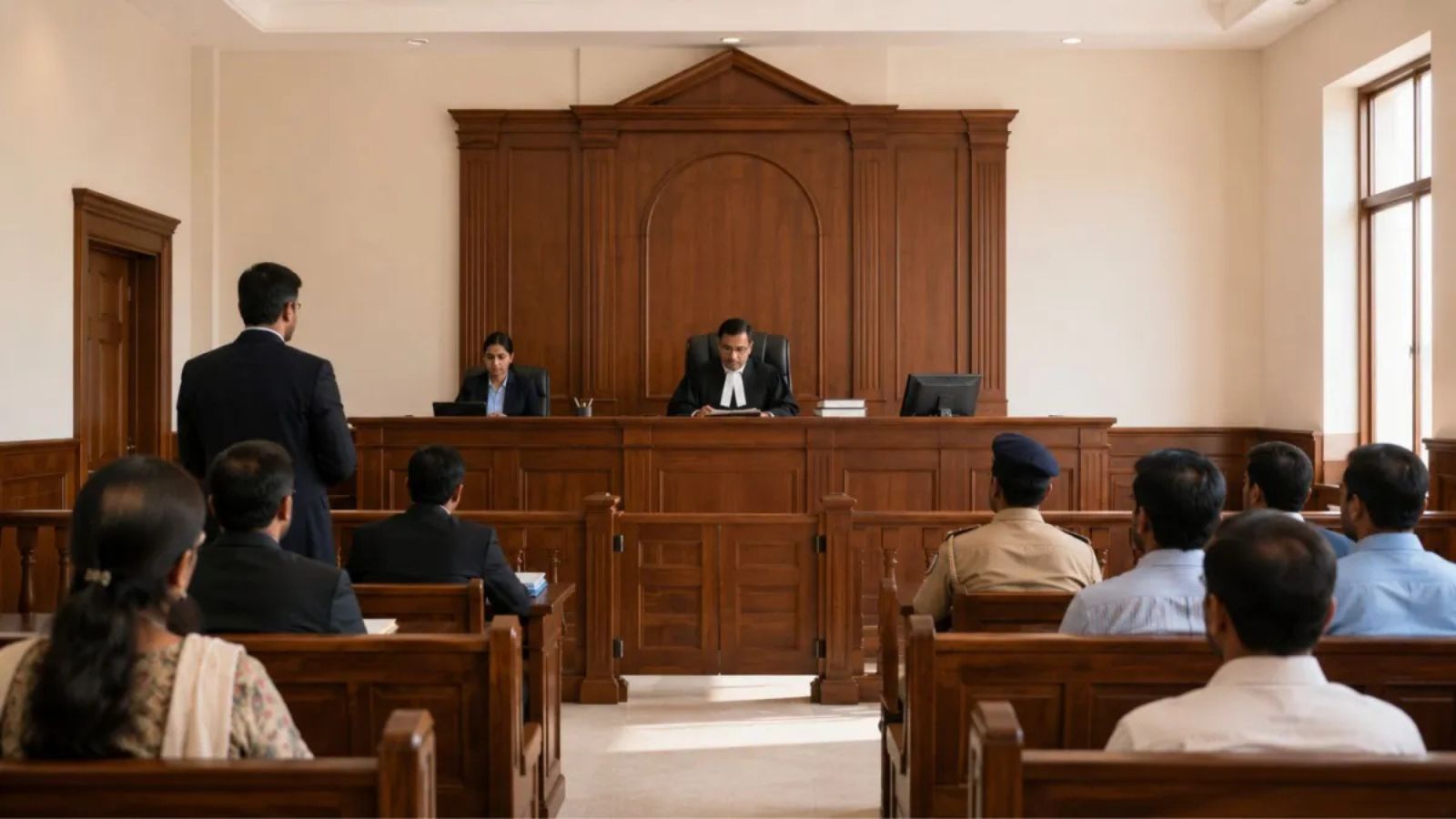
During a family‑law hearing at the Panchkula District Court on July 9, Lt Col Ashish Chandok reported that he was physically assaulted by Advocate Maninder Singh Bitta and a group of lawyers, subsequently taken to another advocate’s chamber, beaten again, threatened, and forced to sign a “raazinama” without reading it.
Background of the Dispute
Chandok disclosed that he and his wife have been living apart for a year, and three cases filed by his wife were pending before the Panchkula courts. During the hearing, Bitta allegedly summoned 10‑17 lawyers, who disrupted the proceedings and assaulted Chandok outside the courtroom.
Legal Proceedings and FIR
The complaint was lodged at Sector 7 police station, resulting in an FIR that invokes the Bharatiya Nyaya Sanhita (BNS) provisions: Section 115 (assault), 117(2) (illegal restraint), 127(2) (violent act), 190 (misconduct), 191(2) (unlawful confinement) and 351(2) (intimidation). Chandok was medically examined at Civil Hospital, Sector 6, where two blunt‑force injuries were documented.
Advocate Bitta’s Counter‑Claim
Bitta rejected the accusations as “completely false, baseless and fabricated,” insisting that Chandok was the aggressor. He claimed to have filed a police report immediately after the incident, detailing the assault on him.
Implications and Wider Impact
If the investigation substantiates Chandok’s claims, Bitta could face criminal prosecution and disciplinary action under the Bar Council’s code of conduct. The case highlights growing concerns about courtroom security, the protection of serving military personnel in civil courts, and the ethical standards expected of legal practitioners. It may prompt a review of security protocols in Indian courts and spark a broader debate on the balance between legal advocacy and personal safety.