A surprise inspection by Karnataka's transport minister has brought to light systemic lapses within the state's public transit system, particularly regarding conductor behavior and the chronic 'exact change' dispute. The incident highlights the urgent need for digital payment integration and better staff training in state-run transport.
Key Takeaways
- The Transport Minister conducted a surprise check on a state-run bus.
- The inspection exposed rude behavior of conductors demanding exact change and forcing passengers off.
- It highlighted the immediate need for digital payment solutions like UPI in state transport.
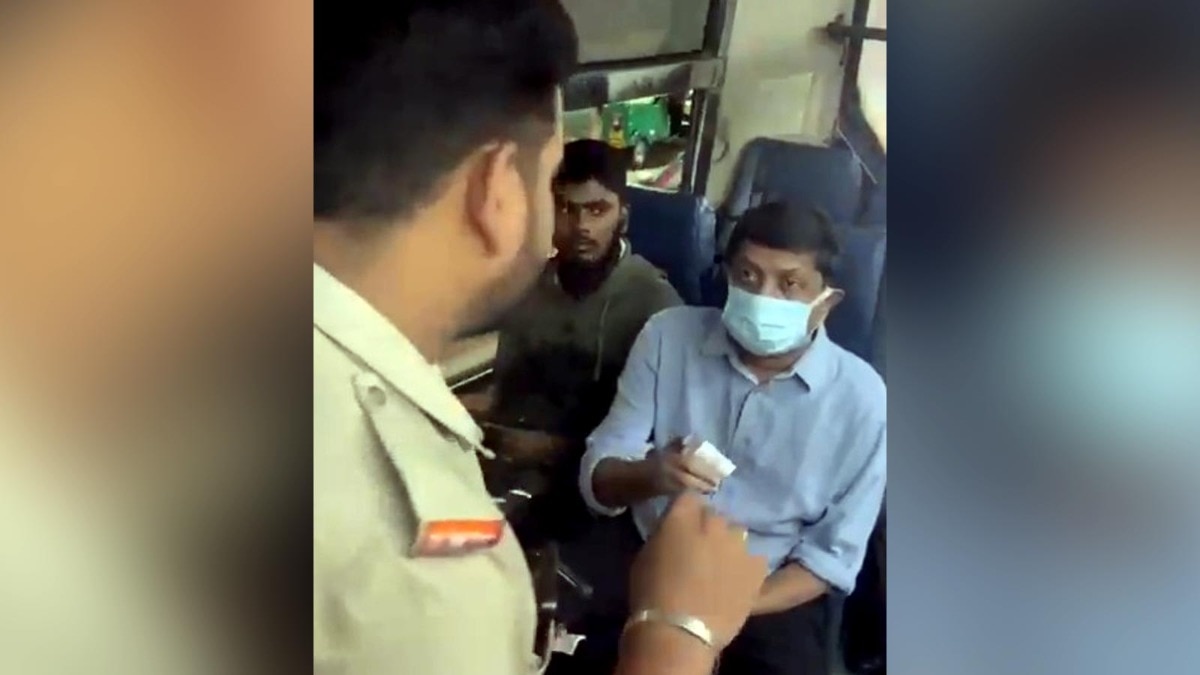
In a bid to assess the ground reality of state-run transport services, Karnataka's Transport Minister conducted an unannounced surprise inspection on a state transit bus. The inspection revealed glaring operational deficiencies and unprofessional behavior by the bus staff, particularly the infamous "no change, get down" attitude that has long plagued daily commuters.
The Incident and Public Grievances
During the surprise check, the minister witnessed firsthand how commuters are subjected to harassment over minor issues like tender change. Conductors were found turning away passengers or speaking rudely to those who did not possess exact change for their fares. This high-handedness, often dismissed as minor administrative friction, was exposed as a systemic hurdle preventing seamless public travel.
The Digital Divide in Public Transit
While India has undergone a massive digital payment revolution with UPI, state-run transport corporations like KSRTC and BMTC have been slow to fully adopt cashless ticketing systems. This lag directly contributes to daily altercations between passengers and conductors over physical cash. The minister's inspection underscores the critical need to accelerate the deployment of handheld UPI ticketing machines across all routes.
Impact of the Shakti Scheme
Under the current government, the "Shakti" scheme—which offers free bus travel to women—has led to an unprecedented surge in ridership. While highly successful, this surge has put immense pressure on transport infrastructure and staff, sometimes translating into fatigue and poor customer service. Addressing these grassroots operational issues is vital to sustaining the welfare scheme's success.
Conclusion and Action Plan
Following the inspection, the minister directed senior officials of the transport department to take strict disciplinary action against errant staff and mandate soft-skills training. The government's focus must now shift from merely providing subsidized travel to ensuring dignity, efficiency, and modern convenience for every commuter.