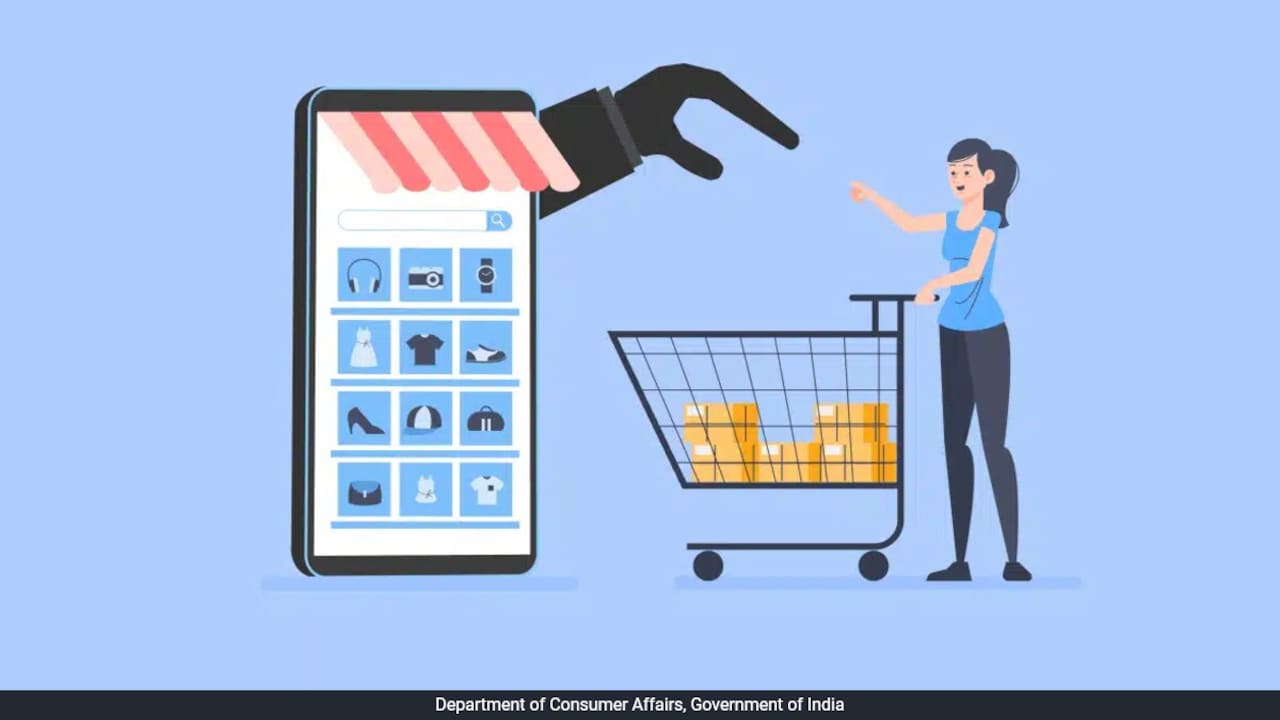
The Indian government has introduced the Consumer Protection (E-Commerce) (Amendment) Rules, 2026, to eliminate deceptive digital interfaces and misleading sponsored content. The rules take effect from January 1, 2027.
- The Consumer Protection (E-Commerce) (Amendment) Rules, 2026 target deceptive UI/UX designs.
- Strict guidelines will be implemented for sponsored listings to ensure transparency.
- The regulatory framework becomes legally binding starting January 1, 2027.
In a decisive move to safeguard digital consumers, the Government of India has announced the Consumer Protection (E-Commerce) (Amendment) Rules, 2026. This legislative update is specifically designed to curb the rise of 'dark patterns'—manipulative design elements used by online platforms to trick users into making purchases or sharing data without explicit, informed consent.
Dark patterns encompass a variety of deceptive tactics, including 'forced continuity' (where free trials turn into paid subscriptions without notice), 'sneak-into-basket' (adding extra items to a cart automatically), and 'false scarcity' (creating fake countdown timers to pressure buyers). By banning these practices, the government aims to restore trust in the digital marketplace.
Why This Matters
BozokMedia analysis shows that the proliferation of AI-driven personalization has allowed platforms to weaponize behavioral psychology against the average consumer. Sponsored listings often masquerade as the 'best' or 'most relevant' results, distorting the competitive landscape. These amendments shift the burden of transparency onto the platforms, ensuring that paid visibility is clearly demarcated from organic rankings.
"Transparency in the digital interface is the cornerstone of consumer sovereignty in the 21st century."
Historically, the initial e-commerce guidelines were established in 2020. However, the rapid evolution of 'Growth Hacking' strategies necessitated a more robust legal framework. The 2026 amendment closes loopholes that previously allowed companies to hide terms and conditions behind complex layers of navigation.
Frequently Asked Questions
Q1: What are Dark Patterns in e-commerce?
A: They are user interface designs crafted to trick users into doing things they didn't intend to do, such as buying insurance they don't need or signing up for recurring payments.
Q2: When will these new regulations be enforced?
A: The Consumer Protection (E-Commerce) (Amendment) Rules, 2026 will come into force on January 1, 2027.