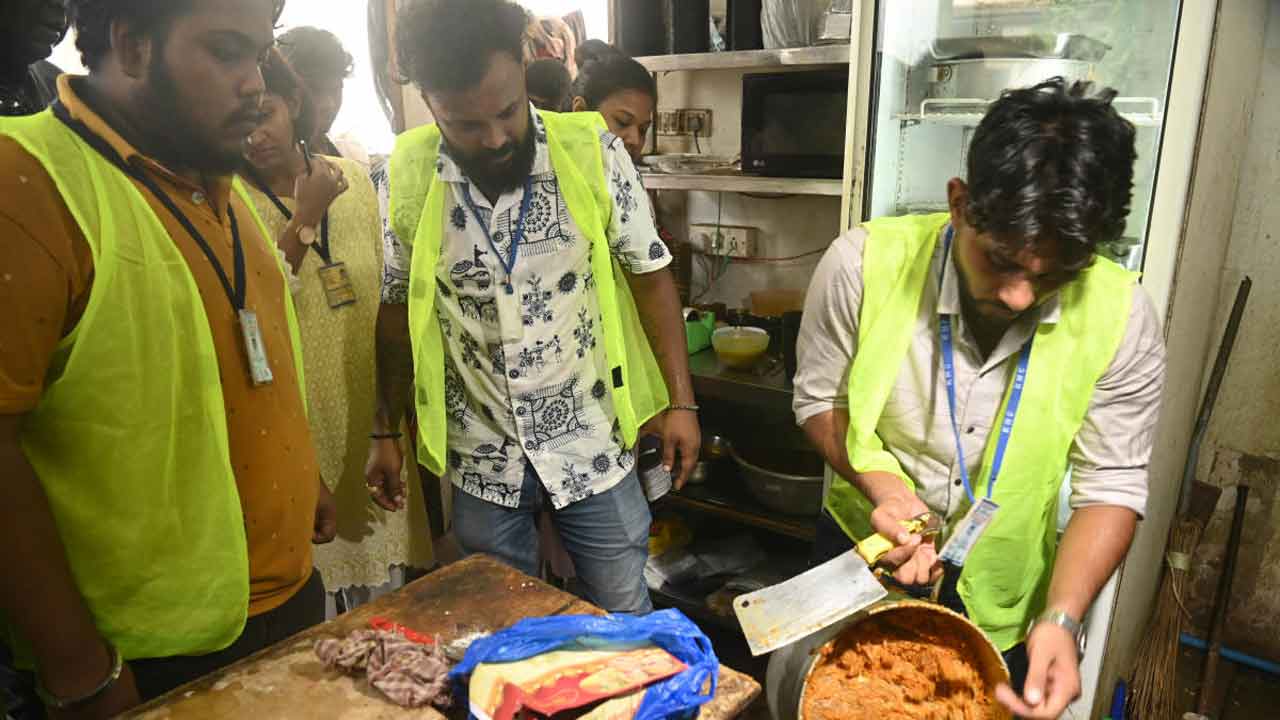
The Kolkata Municipal Corporation has suspended the licenses of 65 food establishments for violating hygiene and quality standards. Citizens are now demanding stricter penalties, including fines and imprisonment, over simple suspensions.
- Kolkata Municipal Corporation (KMC) suspended 65 licenses in two days (40 on Tuesday, 25 on Wednesday).
- Suspensions were triggered by failure to meet hygiene and Food Safety Act conditions.
- Major brands like Arsalan and Balram Mallick & Radharaman Mallick were among those targeted.
- Public outrage is growing over the 'lenient' approach of the authorities.
In a sweeping operation to ensure public health, the Kolkata Municipal Corporation (KMC) has suspended the licenses of 65 restaurants, sweet shops, and food outlets. Municipal Commissioner Smita Pandey stated that these establishments failed to adhere to the mandatory guidelines regarding food quality and cleanliness as stipulated by the food safety laws.
According to the KMC, the suspensions are intended to give the owners an opportunity to rectify their shortcomings. Once the food safety officers are satisfied with the improvements during a follow-up inspection, the licenses will be restored. However, this approach has sparked a debate among city residents who believe that such health violations require more severe punishments.
Why This Matters
BozokMedia analysis shows that the inclusion of high-profile establishments in this list indicates that brand reputation does not always equate to operational hygiene. The public demand for criminal charges over administrative suspensions suggests a shift toward demanding higher corporate accountability in the food industry.
Under the Food Safety and Standards Authority of India (FSSAI) Act, 2006, there are provisions for much harsher penalties. Sections 52 to 56 allow for fines ranging from ₹1 lakh to ₹5 lakh depending on the nature of the offense. Furthermore, Section 59 provides for imprisonment from 6 months to 7 years in cases where adulterated food leads to death.
Food safety is a non-negotiable right of the consumer; administrative warnings are insufficient when public health is compromised.
The crackdown has hit several renowned names. Arsalan, a famous biryani chain, held a press conference claiming they received no formal notice regarding certain outlets, though some were closed for renovation. Similarly, the sweet meat brand Balram Mallick and Radharaman Mallick faced issues, with internal disputes over brand logos and partnership structures emerging during the probe.
The operation extended beyond the city limits to districts like Howrah, Hooghly, Bankura, and Cooch Behar. In Hooghly, 11 establishments were penalized, and in Cooch Behar, a sweet shop was flagged for mixing flour (maida) with cottage cheese (chhena), highlighting a widespread issue of food adulteration in the region.
Frequently Asked Questions
Q1: Why were the licenses suspended by the KMC?
A: The licenses were suspended due to poor hygiene and failure to comply with the Food Safety and Standards Act.
Q2: Can the suspended licenses be reinstated?
A: Yes, if the establishments implement the required improvements and pass a subsequent inspection by food safety officers.