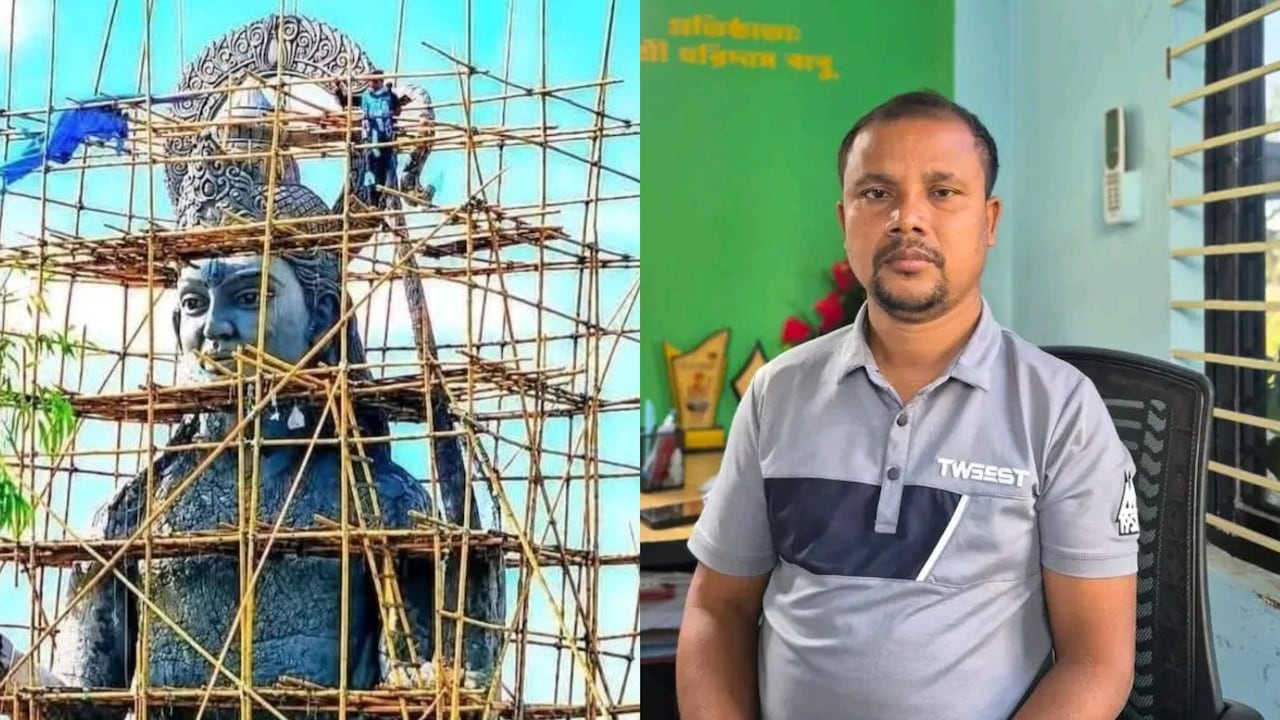
Haridas Chandra Tarani Das, who proposed the 81‑foot Ram statue at Sri Sri Radha Gobinda Kali Temple in Palashbari, Gaibandha, was arrested late on July 12 over a money‑laundering scheme involving suspicious transactions worth Tk 9.35 crore.
मुख्य बिंदु (Key Takeaways)
- Haridas Chandra Tarani Das arrested for a Tk 9.35 crore money‑laundering case.
- The accused had proposed a 81‑foot Ram statue in Gaibandha.
- The case highlights the need for financial transparency in large religious projects.
Haridas Chandra Tarani Das, the mastermind behind the proposed 81‑foot (approximately 24.7 m) Ram statue at the Sri Sri Radha Gobinda Kali Temple in Palashbari, Gaibandha, was taken into custody late on July 12. Law enforcement officials disclosed that a comprehensive probe uncovered suspicious financial activities amounting to Tk 9.35 crore, leading to money‑laundering charges.
Background of the Statue Project
The ambitious plan aimed to boost religious tourism and generate local employment in the northern district of Gaibandha. While supporters hailed the project as a cultural landmark, critics warned of potential fiscal strain and environmental impact. Das claimed to have secured funding from a mix of private investors and charitable donors, yet inconsistencies in financial documentation triggered a formal investigation.
Allegations of Financial Misconduct
Investigators found that Das allegedly routed large sums through multiple bank accounts, employing a classic “layering” technique to obscure the origin of the money. Under Bangladesh’s Money Laundering (Prevention) Act, 2012, such conduct is a serious offence. Following his arrest, authorities seized the suspicious funds and forwarded the case to the judiciary for further proceedings.
Religion, Politics, and Public Sentiment
Construction of a towering Hindu icon in a predominantly Muslim nation invariably stirs communal sensitivities. The proposal ignited debate about religious expression, national identity, and the role of private financing in public monuments. Simultaneously, the decisive action against Das underscores the government’s commitment to curbing financial crimes, a stance that could reassure foreign investors wary of regulatory laxity.
Implications for Future Projects
This high‑profile arrest sends a clear signal: large‑scale religious undertakings must adhere to stringent financial disclosure standards. Should the courts uphold the allegations, other developers may face heightened scrutiny, potentially reshaping the landscape of monument construction in Bangladesh. Moreover, the case serves as a litmus test for the effectiveness of anti‑money‑laundering enforcement, hinting at a more robust regulatory regime ahead.