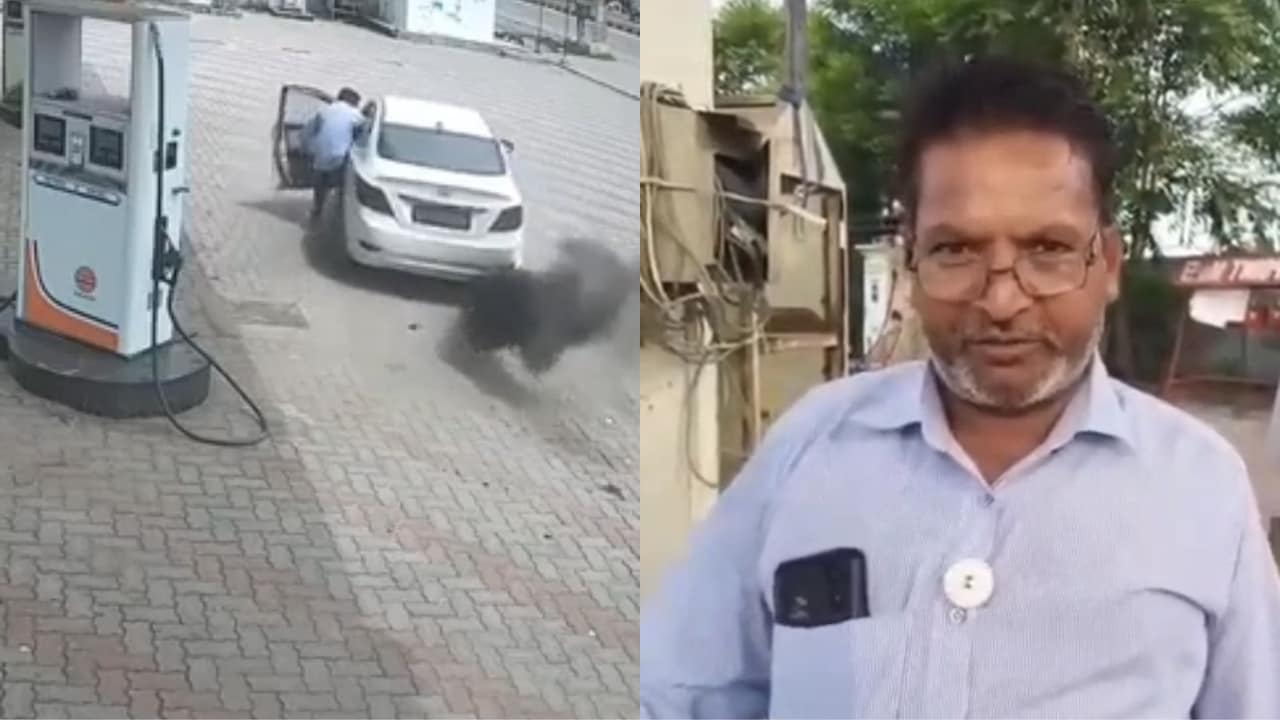
A white Maruti Verna arrived at a fuel station around 3 pm, filled diesel worth roughly ₹3,500, and then sped away without paying. The pump attendant tried to hold onto the moving car, but the driver managed to escape. The incident highlights glaring security gaps at petrol pumps.
Key Takeaways
- Driver fled the pump without settling the fuel bill
- Staff attempted to stop the car by clinging onto it
- Incident exposes security lapses in fuel stations
According to Labbu Singh, a petrol‑pump attendant, a white Maruti Verna pulled in at approximately 3 pm and received diesel worth about ₹3,500. As the attendant prepared the receipt, the driver abruptly accelerated and tried to leave the premises without making any payment.
Sequence of Events
Witnesses reported that Singh began processing the payment as the fuel was being dispensed. Before the transaction could be completed, the driver slammed the accelerator, causing the vehicle to lurch forward. Singh, reacting instinctively, grabbed the rear seat of the moving car, but the vehicle’s momentum soon broke his grip, allowing the driver to speed away for roughly 30 meters before disappearing.
Why Fuel Theft Is Rising
Across India, fuel‑theft incidents are on the rise, driven by soaring fuel prices, economic pressures, and lax surveillance at many smaller stations. The absence of high‑resolution CCTV, inadequate point‑of‑sale controls, and limited staff training make such thefts easier to execute.
Legal Implications
Under the Indian Penal Code, taking fuel without payment qualifies as fraud, carrying penalties that may include hefty fines and imprisonment. However, many petrol‑pump owners struggle to gather conclusive evidence, often resulting in delayed or ineffective prosecution.
Preventive Measures for the Future
Interviews with several fuel‑station owners reveal a growing shift toward installing high‑definition CCTV, real‑time payment verification systems, and automated gate controls. Additionally, many operators now require drivers to present proof of payment before the vehicle is allowed to exit the forecourt.
Overall, the incident underscores not only a lapse in on‑site security but also a broader need for systemic reforms within the fuel retail sector to deter similar thefts.