A pro‑Khalistan email claims bombs will explode at schools, railway stations and Prime Minister Narendra Modi’s rally in Jind, Haryana. Security forces have heightened alert, launched investigations and are verifying the threat’s authenticity.
Key Takeaways
- Khalistan National Army threatens Modi’s Jind rally and multiple public venues
- Union Minister Ravneet Singh Bittu also named in the threat
- Security deployments intensified while email authenticity is being examined
Within hours of receiving a suspicious email, India’s central security agencies raised the alert level after the message, allegedly from a group calling itself the “Khalistan National Army” (KNA), warned of bomb blasts on July 17 at Prime Minister Narendra Modi’s public rally in Jind, Haryana, as well as at schools and railway stations in Chandigarh and Jalandhar.
Background on the Khalistan Movement
The Khalistan separatist cause, which emerged in the 1980s, has periodically resurfaced with violent tactics targeting Indian institutions. In recent months KNA has issued similar threats, most notably a warning aimed at the RSS headquarters in Nagpur. This latest email escalates the pattern by specifically citing improvised explosive devices (IEDs) at educational institutions and transport hubs, raising serious concerns about public safety.
Significance of Modi’s Haryana‑Punjab Tour
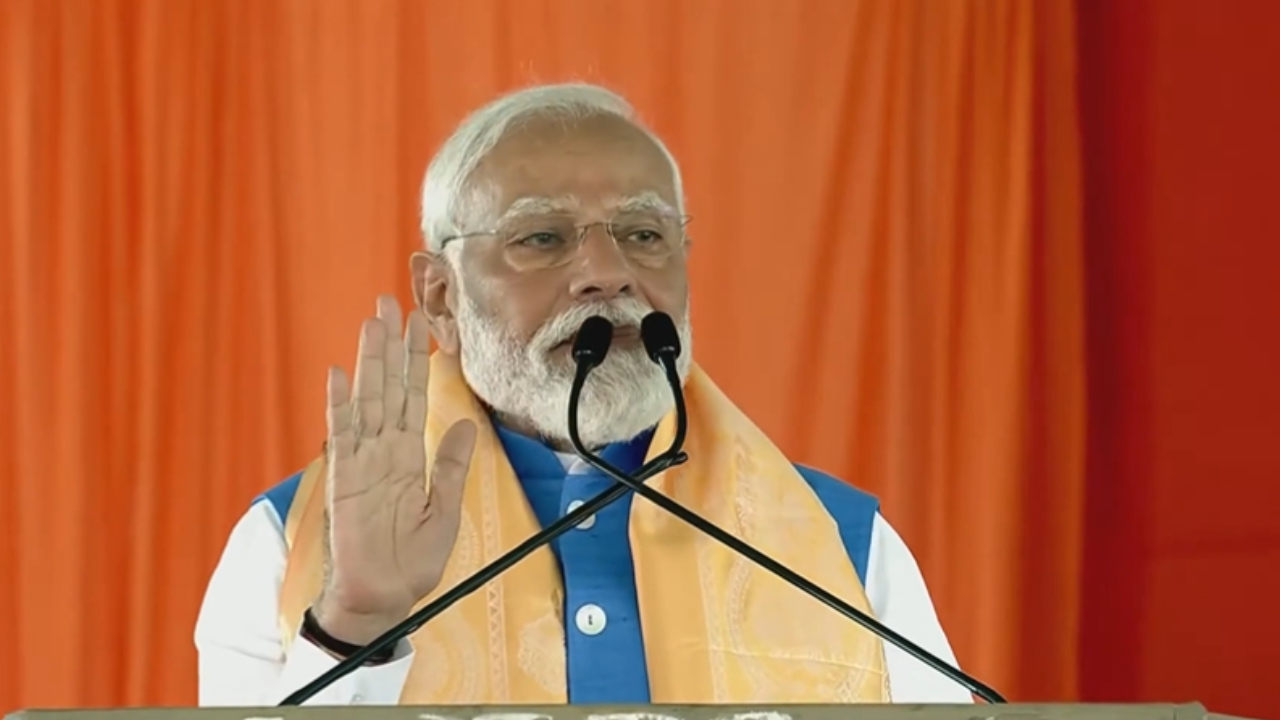
Prime Minister Modi is scheduled to visit Haryana, Punjab and the Union Territory of Chandigarh on July 17 to inaugurate several development projects and address a mass rally in Jind. The visit is a high‑visibility political event, intended to showcase the government’s commitment to rural development and infrastructure. Accompanying the Prime Minister will be several senior ministers, including Union Minister of State for Railways Ravneet Singh Bittu, who was also named in the threatening email.
Security Measures and Ongoing Investigation
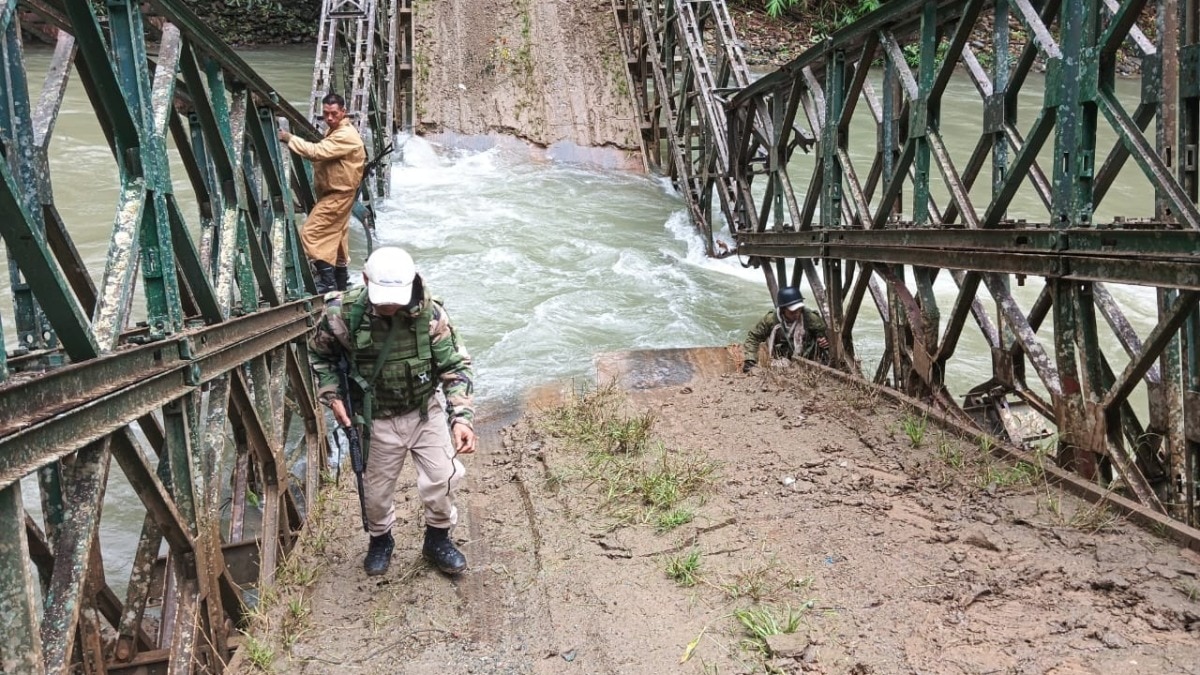
In response, police forces in Delhi, Punjab and Haryana have deployed additional personnel, drones for aerial surveillance, and increased CCTV coverage at schools, railway stations and the Mohali mayor’s office. Cyber‑security teams are tracing the email’s origin, which was sent from the address “[email protected],” to determine the authenticity of the threat and to locate any potential conspirators.
Implications for National Security
If the threat proves credible, it could disrupt the Prime Minister’s itinerary and erode public confidence in the government’s ability to secure high‑profile events. Security analysts stress that while tactical measures are essential, a long‑term solution requires addressing the underlying political grievances that fuel separatist sentiments. For now, the government has declared the situation a “high‑alert” security issue and pledged swift action to neutralize any danger.