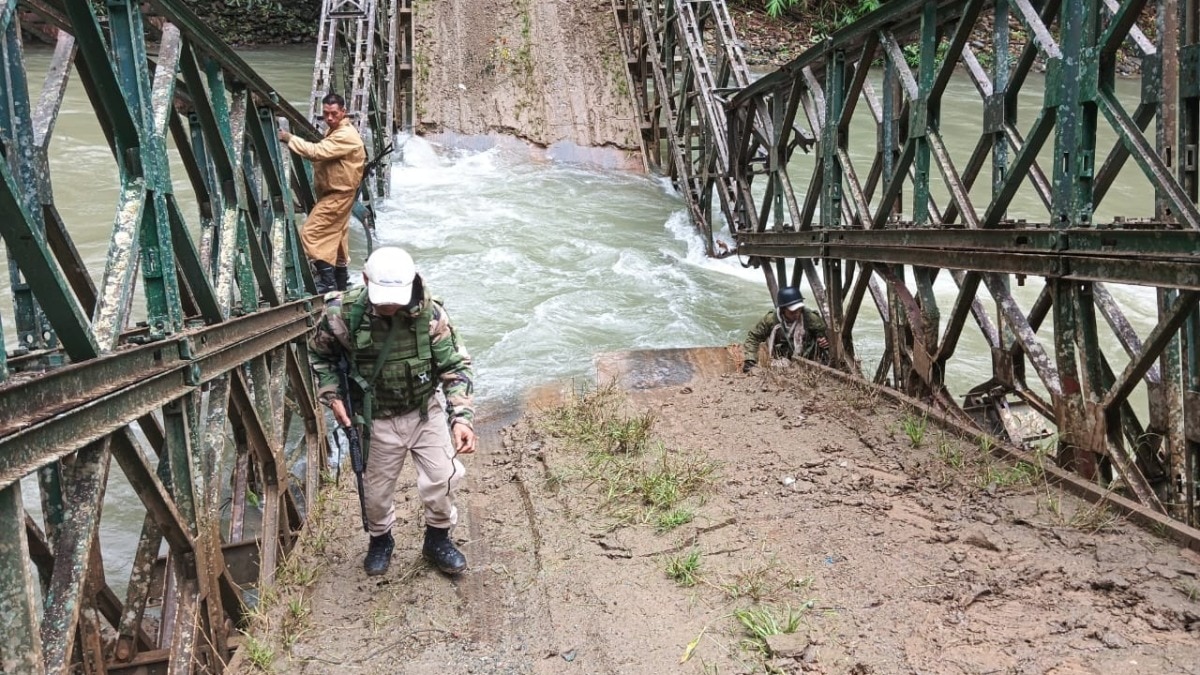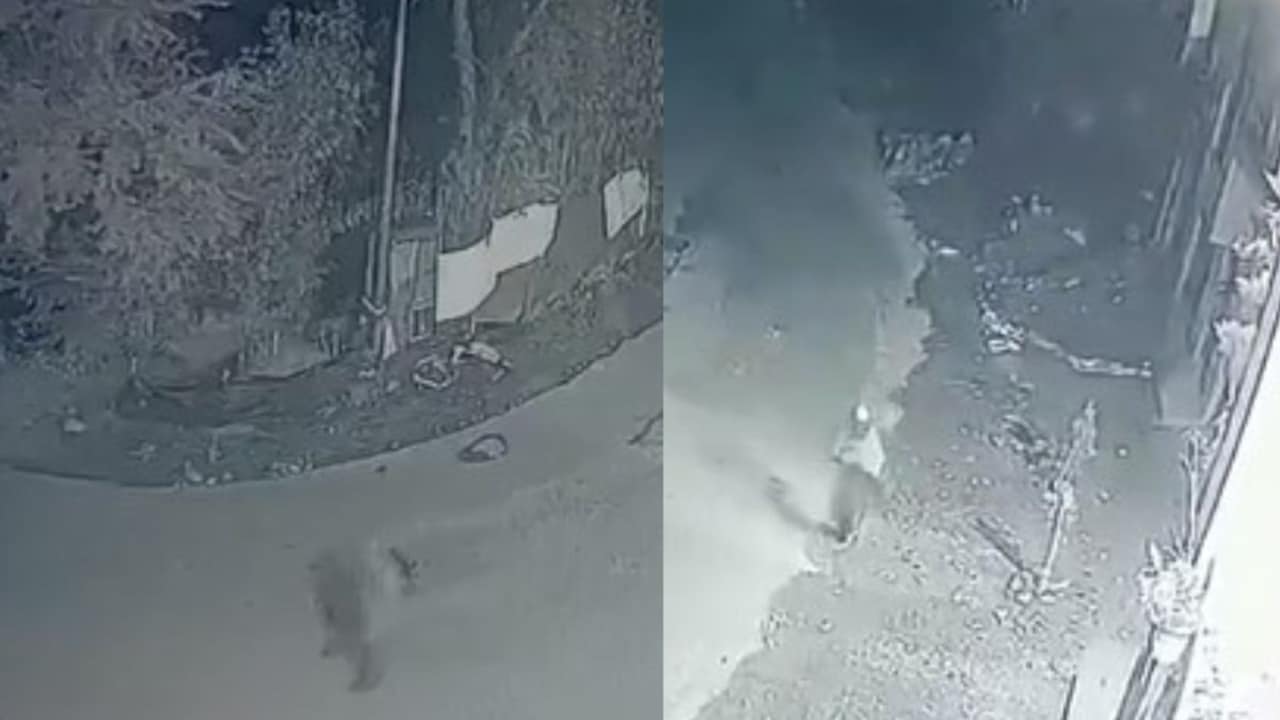
CCTV footage in Jammu identified two suspected terrorists, prompting the Special Operations Group, CRPF and the Army to launch a coordinated cordon-and-search. The alert follows a similar deadly attack in Shopian, heightening security vigilance across the region.
Key Takeaways
- Two suspected terrorists identified on CCTV in Jammu
- J&K Police Special Operations Group, CRPF and the Army launched a coordinated cordon‑and‑search
- Operation follows a recent terror attack in Shopian, prompting heightened alert
Footage from a CCTV camera in Jammu captured two individuals believed to be terrorists, triggering an immediate, well‑coordinated cordon‑and‑search operation by the Special Operations Group (SOG) of J&K Police, the Central Reserve Police Force (CRPF) and the Indian Army. This swift response underscores the heightened state of alert after the fatal Shopian incident earlier this month.
Background: The Shopian Attack
On March 28, a terror strike in Shopian claimed the lives of two security personnel, sending shockwaves through the region and prompting a reassessment of threat levels. The attack heightened vigilance across Jammu‑Kashmir, leading authorities to adopt a zero‑tolerance stance toward any suspicious activity.
Coordinated Response Mechanics
Upon reviewing the CCTV imagery, SOG quickly sealed off the surrounding neighborhoods, while CRPF units established roadblocks at key entry points to prevent any escape. Simultaneously, the Army provided both ground and aerial surveillance, ensuring that the operation covered every possible avenue of movement.
Implications for Regional Security
The rapid deployment of multiple security agencies not only curtails the immediate threat but also serves as a deterrent to other extremist cells operating in the volatile Jammu‑Kashmir corridor. Analysts suggest that such joint operations could become the norm, especially as intelligence agencies increasingly rely on visual surveillance to pre‑empt attacks.
Expert Insight
Security experts argue that CCTV has transitioned from a passive recording tool to an active intelligence asset, capable of triggering real‑time tactical responses. They also stress the necessity of sustained inter‑agency coordination to neutralize threats before they materialize into violence.