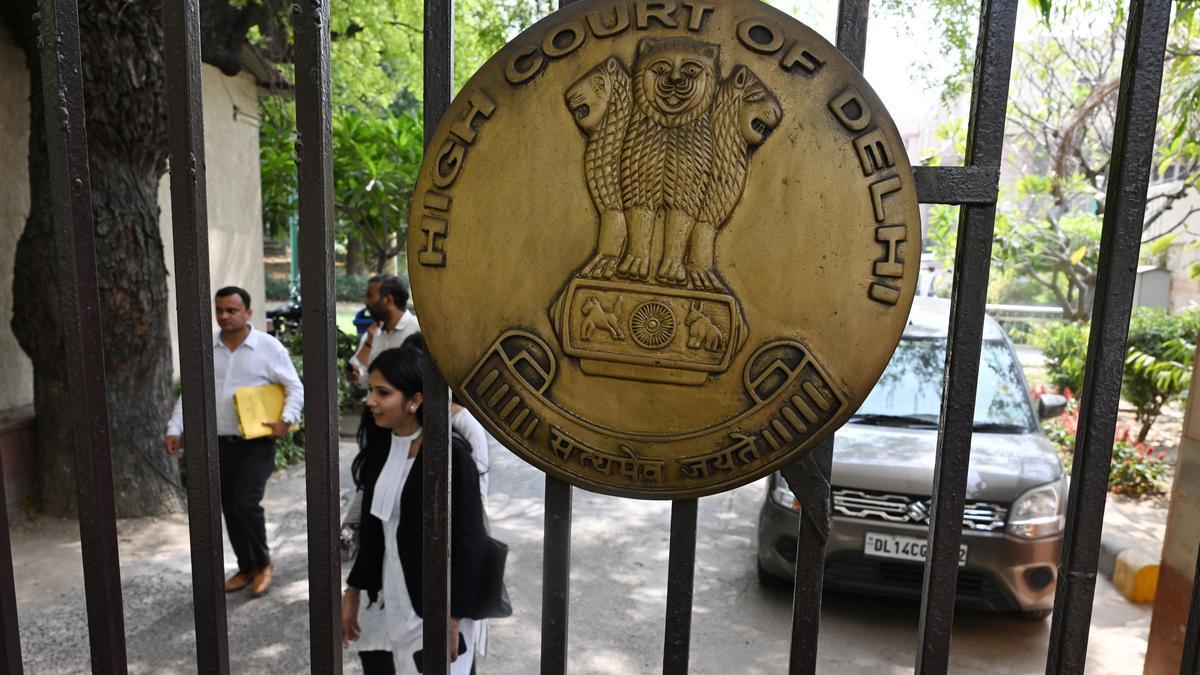
The Delhi High Court has raised concerns over the rise of unregulated, self-styled reporters operating without journalistic training or accountability.
Key Takeaways
- The Delhi High Court observed that owning a smartphone and microphone does not inherently qualify someone as a professional journalist.
- The remarks were made during a bail hearing involving an assault on two freelance YouTubers in Delhi's Seemapuri.
- The court highlighted the dangers of 'self-styled' reporters creating misleading public narratives.
- Justice Kathpalia urged the legislature to develop a regulatory framework to ensure professional accountability.
In a significant observation regarding the evolving landscape of modern media, the Delhi High Court has noted that the mere possession of a mobile phone and a microphone does not grant an individual the status of a professional reporter. The court emphasized that many individuals are now proclaiming themselves as journalists without any formal training, ethical grounding, or professional accountability.
The Incident at Seemapuri
The observation was made by Justice Girish Kathpalia on July 16, while granting bail to two individuals accused of assaulting two freelance reporters working for a YouTube channel. The incident occurred in the Seemapuri area of Delhi, where the reporters were filming at a place of worship allegedly constructed without authorization. The recording incited local residents, leading to a violent confrontation where the reporters were allegedly chased and assaulted even inside a bus.
The Challenge of Unregulated Digital Media
While the prosecution argued that the assault was an attack on the freedom of the press, the court took a nuanced view. It noted that the complainants were not affiliated with any accredited news organization but were freelancing for a digital platform. The court highlighted a growing trend where the rapid proliferation of social media has led to a largely unregulated and unorganized media sector.
Accountability vs. Freedom
Justice Kathpalia criticized the aggressive tactics used by 'self-styled' reporters who often thrust microphones at citizens to demand instant responses. He noted that when citizens exercise their right to remain silent, these individuals often manipulate the camera to label them as 'evasive,' thereby creating a misleading public narrative and generating unwarranted pressure.
The court concluded that while press freedom must be zealously protected, it cannot serve as a shield for irresponsible journalism or the dissemination of content that threatens public order. The judge called upon the legislature to consider a robust regulatory framework that balances the freedom of the press with professional ethics, respect for the rule of law, and the rights of citizens.