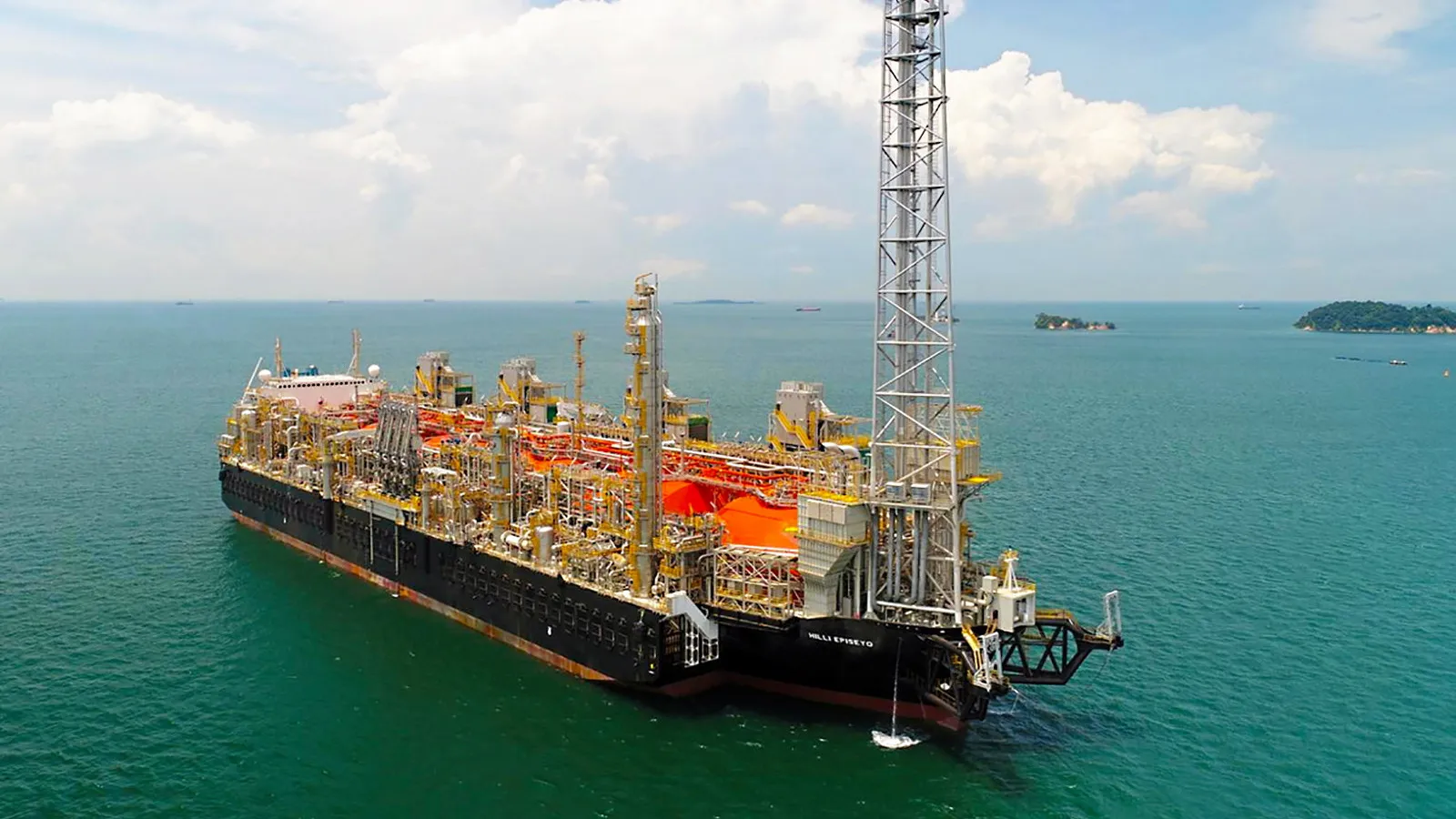
After eight years, the departure of the floating LNG vessel Hilli Episeyo ends Cameroon’s LNG exports, costing the government about $110 million annually and signaling a shift toward more lucrative projects abroad.
Key Takeaways
- The Hilli Episeyo vessel has moved from Cameroon to Argentina’s Vaca Muerta field.
- Cameroon stands to lose roughly US$110 million in annual government revenue.
- The FLNG operated at only about 50% of its name‑plate capacity.
In July 2026, the world’s first floating liquefied natural gas (FLNG) vessel, Hilli Episeyo, sailed out of Cameroonian waters to be redeployed at Argentina’s Vaca Muerta formation. The departure marks the end of an eight‑year export era that began in 2018, when the vessel first started delivering LNG to global markets.
The project was launched in 2018 as Cameroon sought to monetize its modest offshore gas reserves. Hilli Episeyo sourced feedstock from the Lubumbashi‑adjacent fields, with expectations of generating up to $300 million in annual revenue for the nation.
Over time, mature upstream fields experienced declining output, limiting the feedstock available for the FLNG. Consequently, the vessel operated at roughly half of its designed capacity, undermining profitability and prompting operators to seek more resource‑rich opportunities.
Historical Background: Cameroon intensified oil and gas exploration in the early 2000s, yet infrastructural constraints and geopolitical challenges kept export volumes low. International investors championed FLNG technology in 2015, enabling the construction of pioneering vessels like Hilli Episeyo. The recent exit underscores that small‑scale gas fields can no longer sustain the economics of modern FLNG projects.
Why This Matters (इसके मायने क्या हैं)
BozokMedia analysis shows that the loss of LNG export revenues will directly dent Cameroon’s fiscal budget, potentially forcing cuts to social programmes and infrastructure projects. Moreover, local jobs tied to vessel operations, technical support, and logistics are likely to diminish.
On a global scale, the shift reflects a broader industry trend of reallocating capital toward projects with larger reserves, higher utilisation rates and more favourable commercial terms. Argentina’s Vaca Muerta, with its vast gas deposits, is attracting new investment, reshaping the energy balance in Latin America.
"The economic viability of FLNG units hinges on a steady feedstock supply; smaller fields simply cannot sustain the model any longer." – Dr. Aisha Khan, Energy Analyst
Frequently Asked Questions (अक्सर पूछे जाने वाले प्रश्न)
Question 1: How will the cessation of LNG exports affect Cameroon’s energy security?
Answer: Domestic gas supply will shrink, increasing reliance on imported energy and putting pressure on the national balance of payments.
Question 2: What benefits does Argentina expect from receiving the Hilli Episeyo vessel?
Answer: The addition bolsters Vaca Muerta’s production capacity, creating jobs, raising revenue and attracting further foreign investment.
| Situation | Annual Revenue | Utilisation Rate |
|---|---|---|
| With Hilli Episeyo (2018‑2025) | US$300 million | ≈ 50 % |
| Post‑departure (2026‑) | US$190 million (loss) | ≈ 0 % |