Ridership on Patna Metro’s inaugural line is surprisingly low. MP Smriti Irani voiced concern over the situation and emphasized the need to respect public dissent.
Key Takeaways
- Patna Metro’s first operational stretch sees very low passenger numbers.
- Smriti Irani calls for recognizing public dissent.
- Combination of consumer behavior and infrastructure challenges may be the cause.
The inaugural segment of Patna Metro, spanning Babur Road to Dr. Satish Chandra Road, has failed to generate the expected buzz among commuters. Local reports indicate that even during peak morning hours, trains run with many empty seats, while the city’s traffic congestion continues to worsen.
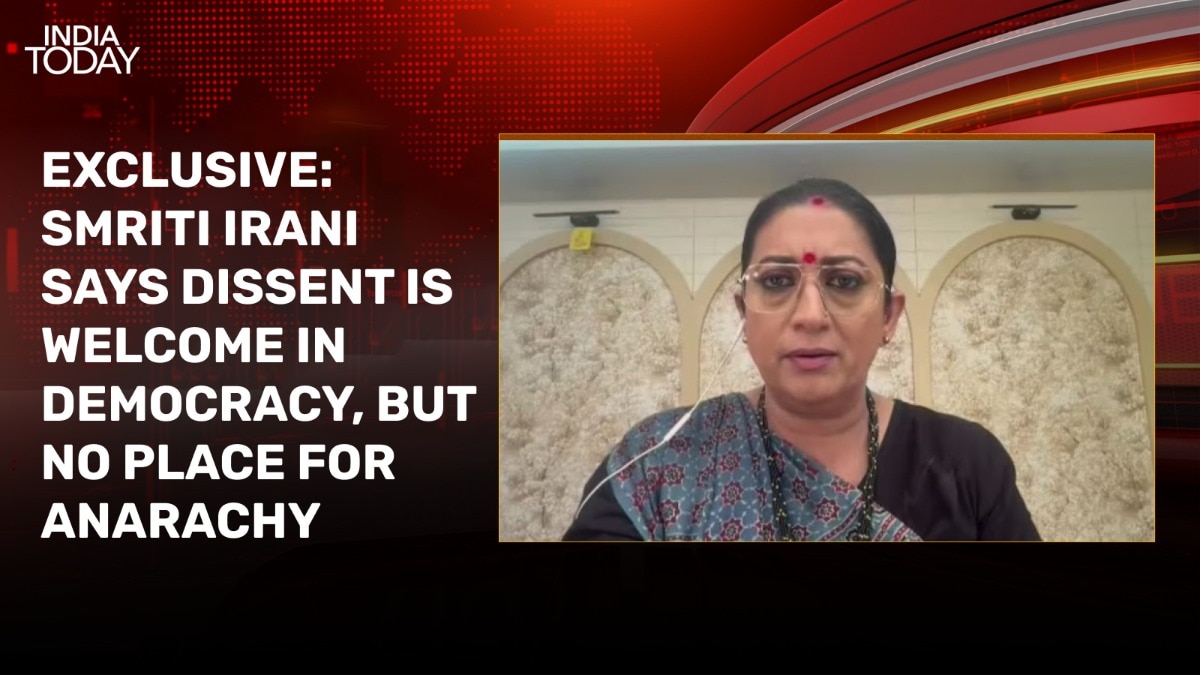
Smriti Irani, the region’s MP, recently addressed a public gathering stating, "There is no right to anarchy," and warned that violence during protests cannot be ignored. She also emphasized that listening to public grievances and delivering solutions is a governmental duty.
Historical Background
The Patna Metro project was launched in 2015 but faced numerous financial and technical setbacks, delaying construction. The first line opened in 2022 with hopes of modernizing the city’s public transport and alleviating traffic woes. However, early figures show that only 5‑7% of potential commuters have adopted the new service.
Why This Matters
BozokMedia analysis shows that low ridership not only undermines the financial viability of the metro project but also signals deeper issues in urban planning and public trust. If left unaddressed, it could negatively impact future infrastructure investments.
"Without affordable pricing, improved connectivity, and robust awareness campaigns, any metro system is unlikely to succeed," says urban transport expert Dr. Ajay Sharma.
Frequently Asked Questions
- Will lowering ticket prices boost ridership? Making fares more affordable can help, but service reliability and network connectivity are equally crucial.
- Will expanding new lines solve the problem? While expansion increases coverage, improving the existing line’s quality is a prerequisite.