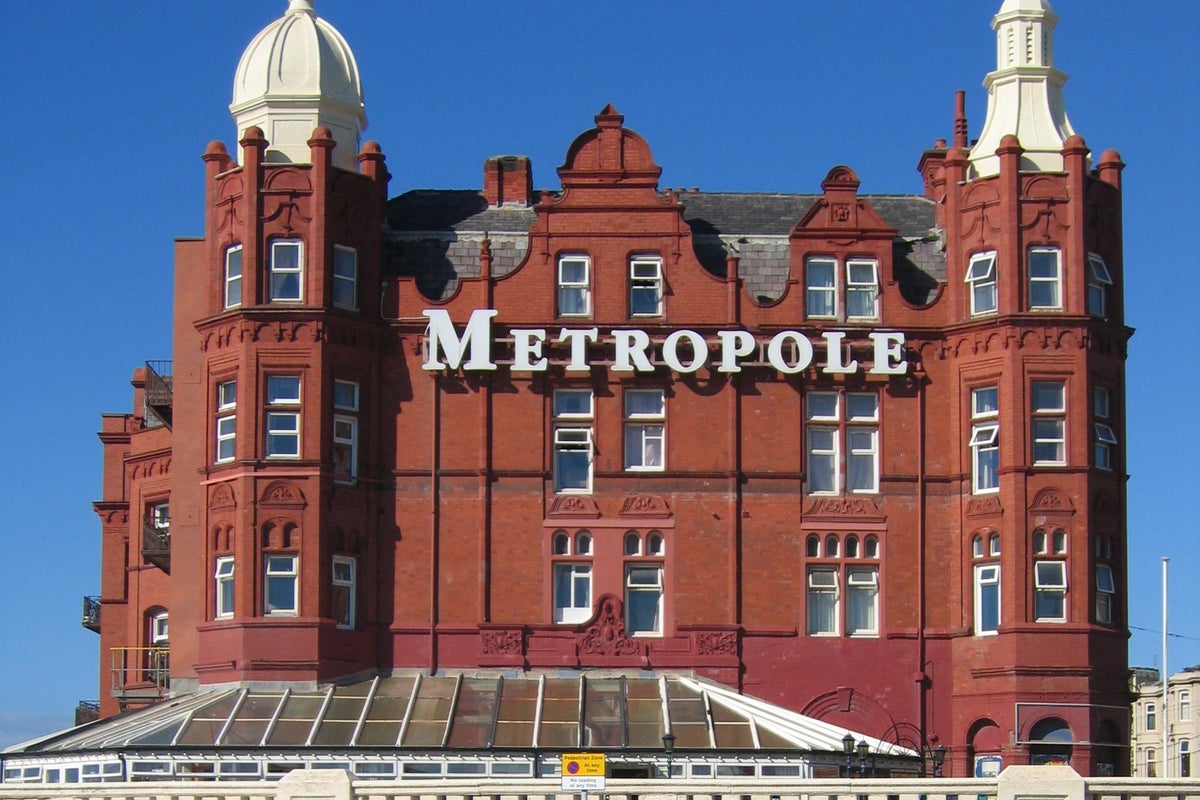
Prime Minister Andy Burnham's administration has ordered the closure of 13 asylum seeker hotels, among them the historic Grand Metropole in Blackpool. The move aims to overhaul immigration accommodation and save taxpayers millions.
Key Takeaways
- 13 asylum hotels closed, total count reduced to 147
- Government projects £51 million savings
- Historic Blackpool Grand Metropole Hotel included
Policy Shift Overview
Labour’s government is accelerating a transition from hotel‑based asylum accommodation to more "basic" sites such as former military barracks. Minister for Immigration Anna Turley emphasized the need to end the reliance on hotels before the next election.
The Home Office estimates that closing these hotels will free £51 million for taxpayers, bringing the overall number of asylum hotels below 160, down from a peak of nearly 400 under the previous Conservative administration.
Why This Matters
BozokMedia analysis shows that moving asylum seekers out of hotels into larger, community‑based facilities can enhance integration, lower costs, and reduce the isolation that many refugees face in hotel settings.
"Shifting asylum seekers from hotels to former military sites offers short‑term relief, but a sustainable solution requires comprehensive immigration reform," says migration expert Dr. Emily Carter.
Historical Background
The Grand Metropole Hotel on Blackpool promenade, one of the town’s two oldest hotels, dates back to the late 19th century. Once a landmark for tourists and dignitaries, it has recently become a symbol of the strained asylum system.
Frequently Asked Questions
Question 1: What new accommodation options will be offered to asylum seekers?
Answer: Primarily former military bases and larger community housing projects.
Question 2: Will the closures continue until the next election?
Answer: The government aims to eliminate all asylum hotels before the upcoming election cycle.