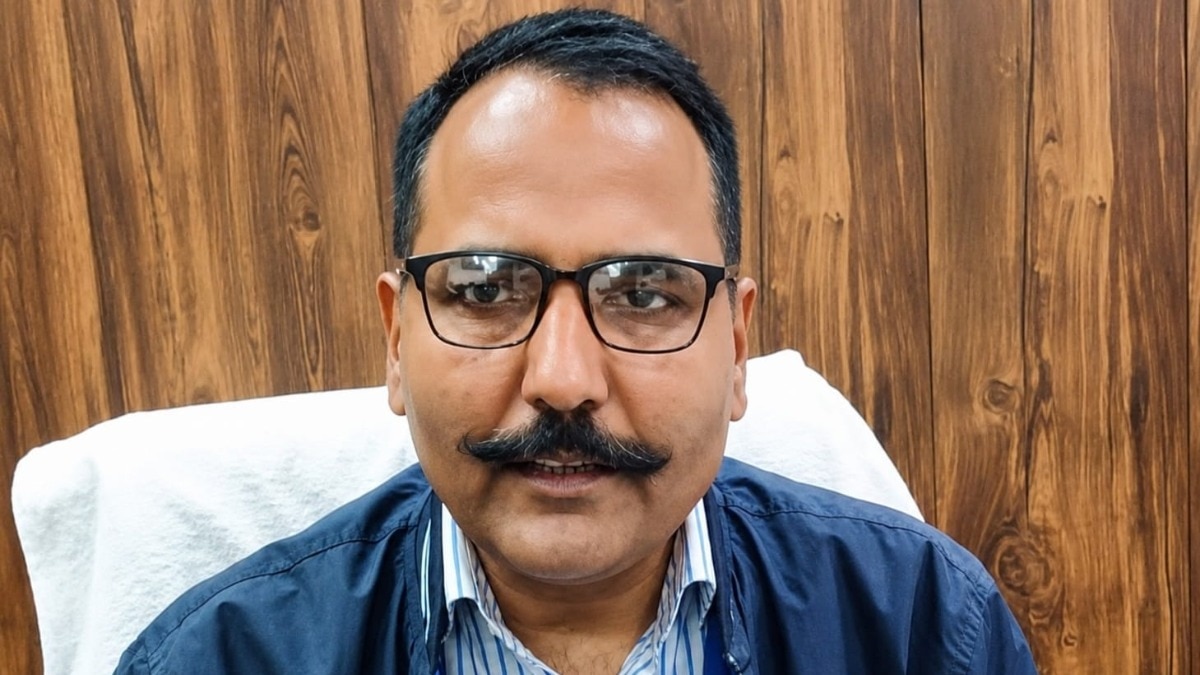
Abhijit Dipke, founder of CJP, was escorted out of a public park and declared that today the government selects voters, not the other way around. He also stated that CJP will not be turned into a political party, even if it ever forms.
Key Takeaways
- Dipke was removed from a park and warned that the government now chooses voters
- CJP will not be turned into a political party
- The remarks sparked intense debate across the nation
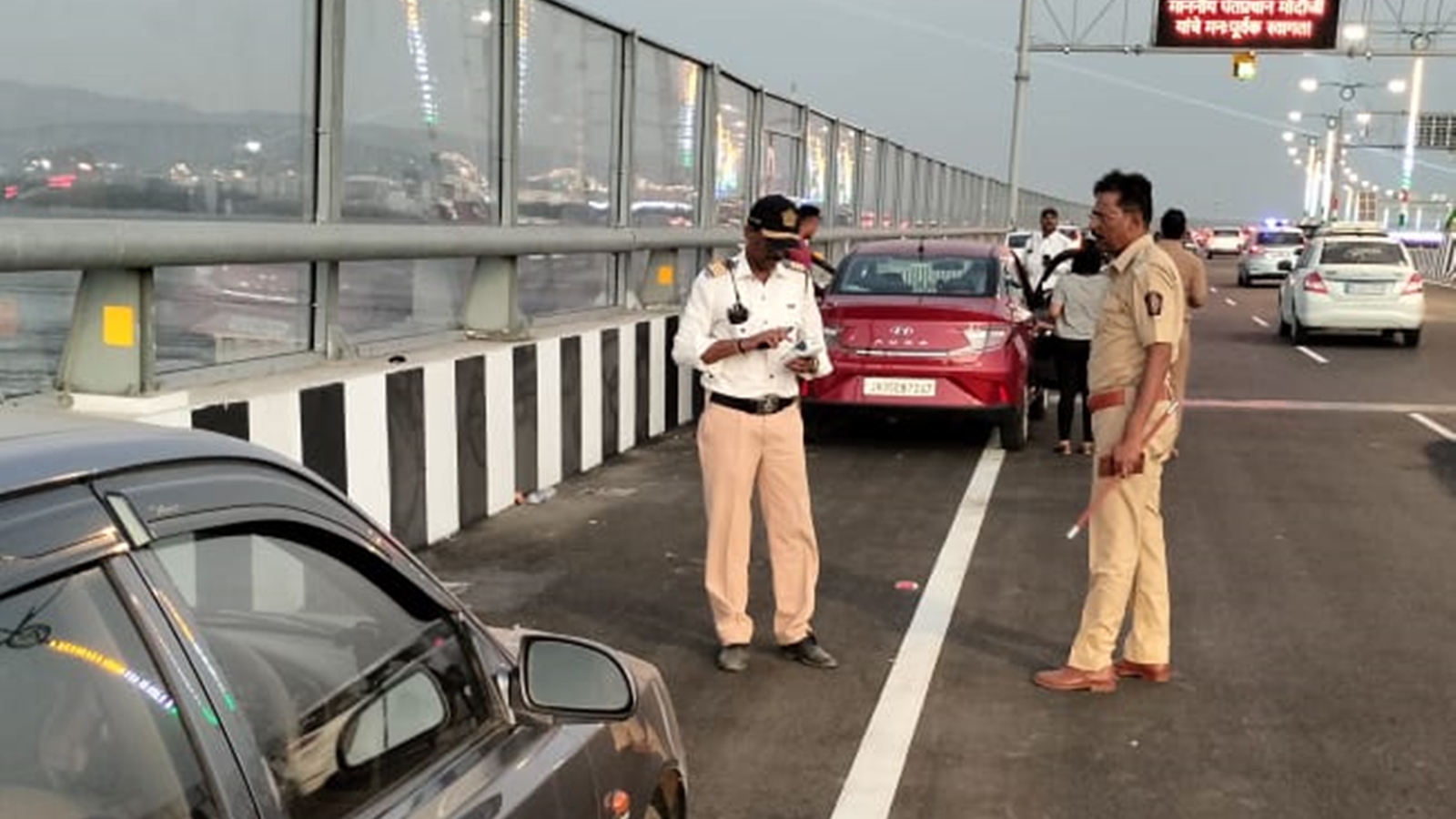
New Delhi – Abhijit Dipke, the founder of the CJP movement, was asked to leave a local park last week. In the ensuing press conference he asserted, “Earlier voters chose the government; now the government chooses the voters.” The statement highlights an evolving power dynamic in Indian politics.
Dipke added, “We do not intend to make CJP a political party. If a party ever emerges, its purpose must be to give hope to the people, not to chase power.” His comments have ignited discussion among political analysts and the public alike.
Local authorities explained that the removal was a routine measure to maintain order, while Dipke’s supporters labeled the act as an infringement on democratic rights.
Historical Background
India has witnessed several instances where political figures were barred from public spaces, underscoring the shifting relationship between citizens and the state. Similar tensions in the 1990s often led to clashes over electoral legitimacy.
Why This Matters
BozokMedia analysis shows that Dipke’s proclamation could reshape the future of Indian democracy, as it suggests a new accountability model where the state selects its electorate. Continued trends may overhaul traditional voting mechanisms and party roles.
"This emerging concept of voter selection could be a revolutionary pivot for Indian politics," says political scholar Prof. Rajesh Singh.
Frequently Asked Questions
Q1: Could CJP ever become a political party?
A: Dipke has explicitly stated they do not intend to, though strategic shifts in the future cannot be ruled out.
Q2: What impact might this statement have on the election process?
A: If governments continue to select voters, traditional electoral models could be challenged, prompting the need for new regulatory frameworks.