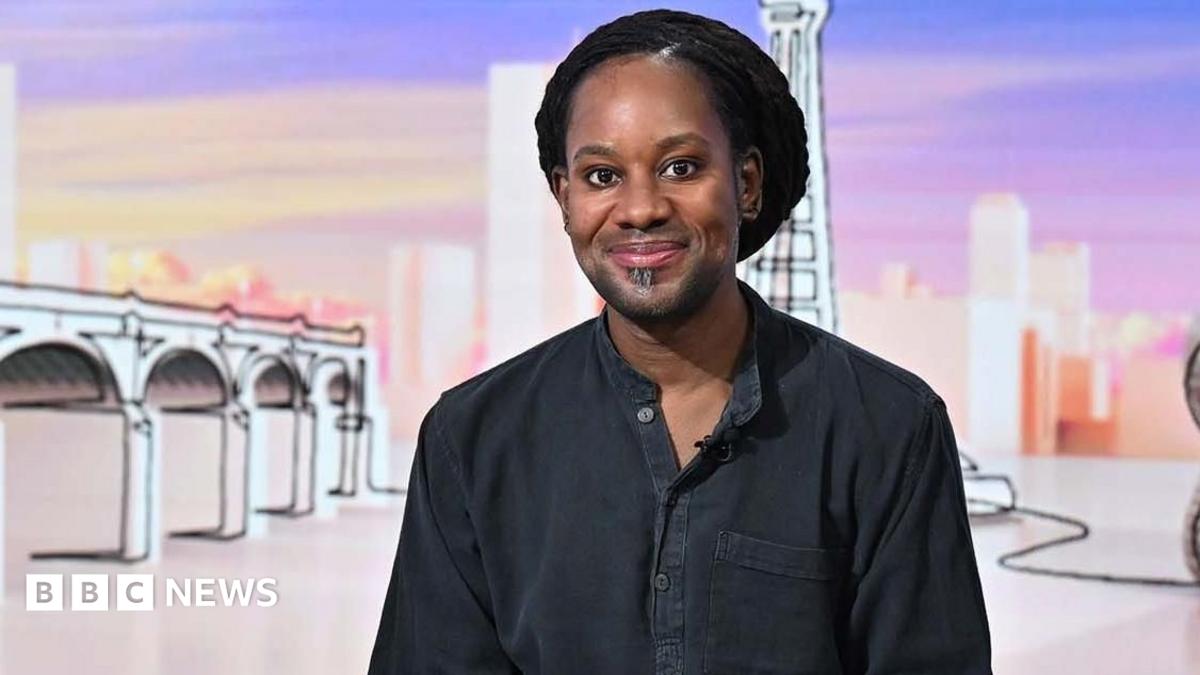
Lord Chris Smith has sparked a national debate by accusing the media of a 'racist feeding frenzy' following the tragic death of Professor Jason Arday. The case highlights a volatile intersection of academic integrity, racial bias, and the ethics of modern journalism.
- Lord Chris Smith criticizes the media's treatment of Prof. Jason Arday as a 'racist feeding frenzy'.
- Over 80,000 people have signed a petition demanding an inquiry into the press conduct.
- Arday, the youngest black professor at Cambridge, died shortly after resigning amid plagiarism allegations.
- A conflict exists between the need for academic rigor and the protection of individuals from targeted harassment.
The Chancellor of Cambridge University, Lord Chris Smith, has broken his silence on the tragic passing of Professor Jason Arday, describing the media storm that preceded the academic's death as a "racist feeding frenzy." Arday, who made history in 2023 as the university's youngest black professor, was found dead in south London on Friday, shortly after resigning from his post on August 5.
The controversy began when allegations of plagiarism surfaced regarding Arday's thesis and journal publications. While Liverpool John Moores University (LJMU), which granted Arday his PhD in 2015, concluded that no plagiarism had occurred, Cambridge University recently announced an independent investigation into his appointment. Despite the scrutiny, Arday maintained that his resignation was not an admission of guilt.
Why This Matters
BozokMedia analysis shows that this case transcends a simple academic dispute; it is a litmus test for the UK's institutional handling of diversity and the boundaries of press freedom. The speed with which Arday was elevated to a high-profile position, and the subsequent velocity of his downfall, suggests a systemic failure in both 'due diligence' and 'duty of care'.
The intersection of racial identity and professional scrutiny often creates a 'hyper-visibility' that can be weaponized by bad actors to destroy reputations.
The backlash against the press has been immense. A Good Law Project petition, signed by over 80,000 individuals including Diane Abbott and Jameela Jamil, argues that Arday was subjected to "relentless harassment." Lord Victor Adebowale, chair of the NHS Confederation, further asserted that the press failed in its self-regulation, ignoring warnings that the pursuit of Arday risked his life.
Adding a political dimension, Sir James Cleverly expressed anger over the situation, suggesting that universities might have used Arday for "bragging rights" regarding diversity rather than focusing solely on talent. He argued that this inflated visibility made Arday a larger target when external scrutiny arrived, though he maintained that plagiarism investigations are legitimate regardless of the motive.
Historically, black professors remain a tiny minority in UK academia, comprising only 1% of the total. This scarcity often places an immense burden of representation on individuals, making them vulnerable to both institutional tokenism and targeted external attacks, as seen in the accusations led by former academic Nathan Cofnas.
| Perspective | Core Argument | Key Figure |
|---|---|---|
| Institutional | Academic integrity must be rigorously investigated. | Lord Chris Smith |
| Activist/Public | Media harassment and racism led to a tragedy. | Good Law Project |
| Political | Failure in due diligence and tokenism. | Sir James Cleverly |
Frequently Asked Questions
Was Professor Jason Arday found guilty of plagiarism?
No. Liverpool John Moores University concluded he did not plagiarize, though Cambridge had initiated its own independent investigation into his appointment.
Who is leading the call for a public inquiry?
The Good Law Project has organized a petition signed by over 80,000 people, including prominent public figures, calling for an inquiry into the press's conduct.