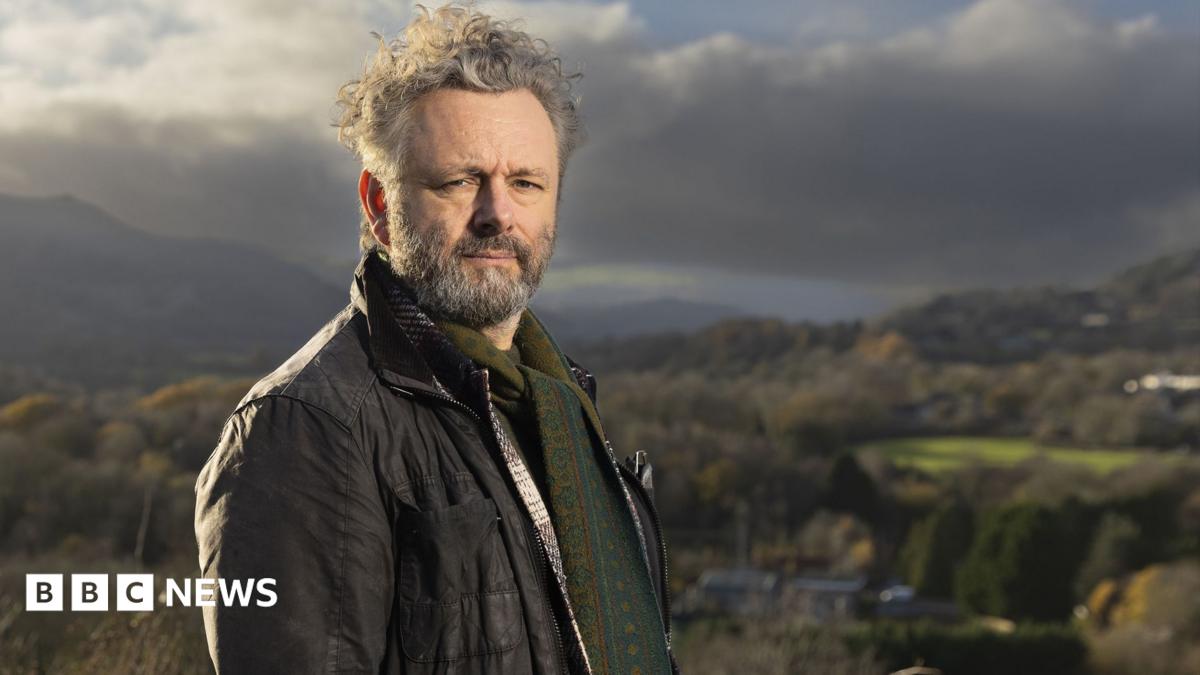
Hollywood actor Michael Sheen delves into the devastating impact of industrial chemical dumping in Wales, linking 'forever chemicals' to rare cancer clusters in a gripping new BBC investigation.
- Allegations that Monsanto dumped massive amounts of PCBs across 12 sites in Wales.
- Correlation found between childhood exposure at dump sites and rare cancer diagnoses.
- Whistleblower Douglas Gowan's warnings were ignored for decades.
- PCBs identified as 'forever chemicals' that accumulate in human tissue.
In a profound journalistic endeavor for BBC iPlayer, Hollywood star Michael Sheen has investigated the toxic legacy left behind by industrial chemical dumping in Wales. The investigation centers on the claims of the late Douglas Gowan, a former farming consultant and whistleblower who spent half a century attempting to warn authorities about 14 contaminated sites, 12 of which were located within Wales.
The primary contaminant in question is Polychlorinated Biphenyls (PCBs). These synthetic organic chemicals were once widely used in electrical equipment, paints, and even cosmetics due to their stability and insulating properties. However, this very stability makes them 'forever chemicals'—substances that do not break down naturally in the environment and instead bioaccumulate in animals, fish, and humans.
Why This Matters
BozokMedia analysis shows that this case highlights a systemic failure in corporate accountability and environmental regulation. The fact that internal documents suggest Monsanto knew of the toxicity of PCBs as early as 1949, yet continued disposal practices that endangered populations, points to a calculated risk-assessment where human health was secondary to cost-saving. This mirrors the historic $300 million settlement in Anniston, Alabama, suggesting a global pattern of negligence.
The human cost is exemplified by Michael Phillips, who spent his childhood playing near a lagoon in Wrexham, firing air guns at rusty barrels. Decades later, Phillips and several of his childhood friends developed rare cancers. Phillips' surgeon noted that the specific type of cancer he suffered from was so rare that seeing multiple patients with the same diagnosis in one small neighborhood was statistically impossible without an external catalyst.
"There is something invisible in our bodies that can turn against us and tear us apart; it is a silent killer."
The investigation took a personal turn when Michael Sheen had his own blood tested. Despite not living near a dump site, the results revealed 81 different types of PCBs. This discovery underscores the pervasive nature of these chemicals, which have leached from landfills into waterways and entered the global food chain.
Local government response has been criticized as inadequate. While Wrexham Council acknowledged the presence of cyanide, arsenic, and PCBs, they declined remediation efforts, citing a £45 million cost that would potentially bankrupt the council. They maintained that the contamination did not meet the legal threshold for mandatory cleanup, leaving the affected residents in a state of perpetual risk.
| Feature | PCBs (Polychlorinated Biphenyls) | Standard Pollutants |
|---|---|---|
| Persistence | Extremely High (Forever Chemicals) | Biodegradable over time |
| Health Impact | Rare Cancers, Endocrine Disruption | Acute Respiratory/Skin Irritation |
| Environmental Path | Bioaccumulation in Tissues | Localized Soil/Water Contamination |
Frequently Asked Questions
1. What are PCBs and why are they dangerous?
PCBs are man-made chemicals used in industrial applications. They are dangerous because they accumulate in the body and are linked to various forms of cancer and immune system failure.
2. Who is responsible for the legacy of Monsanto's production in the UK?
The Eastman Chemical Company is responsible for the legacy production of Monsanto in the UK, though they have remained silent on these specific allegations.