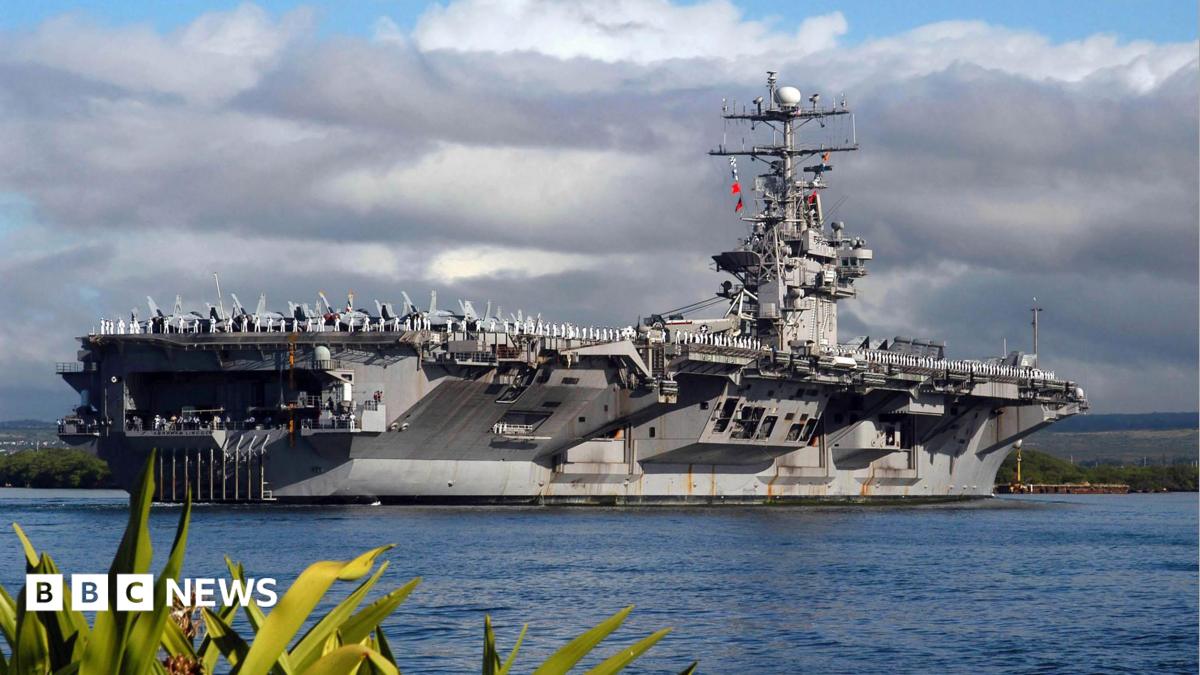
Reports of food shortages and deteriorating mental health aboard the USS Abraham Lincoln have sparked a heated debate between military families and US officials.
- Reports of food shortages, broken plumbing, and extreme exhaustion among crew members.
- Contradictory statements from US Central Command and Donald Trump regarding the severity of conditions.
- Historical context of mental health struggles on aircraft carriers, including the USS George Washington.
The USS Abraham Lincoln, a cornerstone of US naval power, has become the center of a growing controversy regarding the welfare of its crew. Deployed since December 11 as part of operations involving Iran, the vessel's crew has faced a deployment duration significantly longer than typical rotations, leading to reports of severe physical and psychological strain.
According to reports from Military Times and Stars & Stripes, sailors have contended with failing infrastructure, including broken plumbing and food shortages. The human cost is becoming evident through testimonies from family members, who claim some sailors have suffered extreme weight loss—one reporting a loss of 65lbs (29kg)—and that the constant noise and vibration of the ship have led to chronic exhaustion.
Why This Matters
BozokMedia analysis shows that this situation highlights a systemic friction between military operational requirements and the psychological limits of service members. When deployments are extended indefinitely, the "floating prison" effect—characterized by isolation and lack of sunlight for those working below deck—can lead to a collapse in morale and mental stability.
The isolation of being aboard a ship, with moments of prolonged boredom followed by extreme alertness, can amplify mental-health struggles.
The official response has been dismissive. Donald Trump characterized the reports as exaggerated, stating the deployment was "not nearly long enough." Similarly, Admiral Brad Cooper of US Central Command noted that while the Lincoln has some of the lowest mental health case numbers among the 11 active carriers, service at sea remains "uniquely challenging."
The situation is further complicated by the history of the relief ship, the USS George Washington. In 2022, a series of suicides aboard the Washington led to an investigation that concluded the Navy's leadership had "let standards slip," directly linking poor living conditions to the mental health crisis.
| Aspect | Crew/Family Reports | Official Military Stance |
|---|---|---|
| Food & Water | Shortages and Rationing | Plentiful (per CNN visit) |
| Mental Health | Extreme distress/Suicide risks | Among the lowest case rates |
| Living Conditions | Broken plumbing & Mould | Standard operational challenges |
Veterans like Jonny Burnell, who served on the USS Vinson, recall a similar "deadness" in the eyes of sailors during long deployments. He describes the "coffin racks"—tiny beds with no room to turn—and the relentless noise of aircraft landings and gunfire as factors that erode the human spirit over time.
Frequently Asked Questions
Q: Why is the USS Abraham Lincoln's deployment considered unusually long?
A: It has been deployed since December 11, which is more than double the length of some previous deployments, leading to increased fatigue and mental strain.
Q: What was the result of the investigation into the USS George Washington?
A: The 2023 report found that poor living conditions and a slip in leadership standards contributed to a spate of suicides among the crew.