Following strict FDA directives, schools across Mumbai are overhauling their canteen menus, swapping fried snacks and sugary drinks for nutritious alternatives like idli, poha, and buttermilk.
- FDA crackdown leads to a massive menu overhaul in Mumbai schools.
- Fried items like vada pav and samosas are being replaced by idli, dosa, and upma.
- Aerated drinks and sugary beverages are being replaced by buttermilk (chaas).
- Strict monitoring of food vendors within a 50-meter radius of school premises.
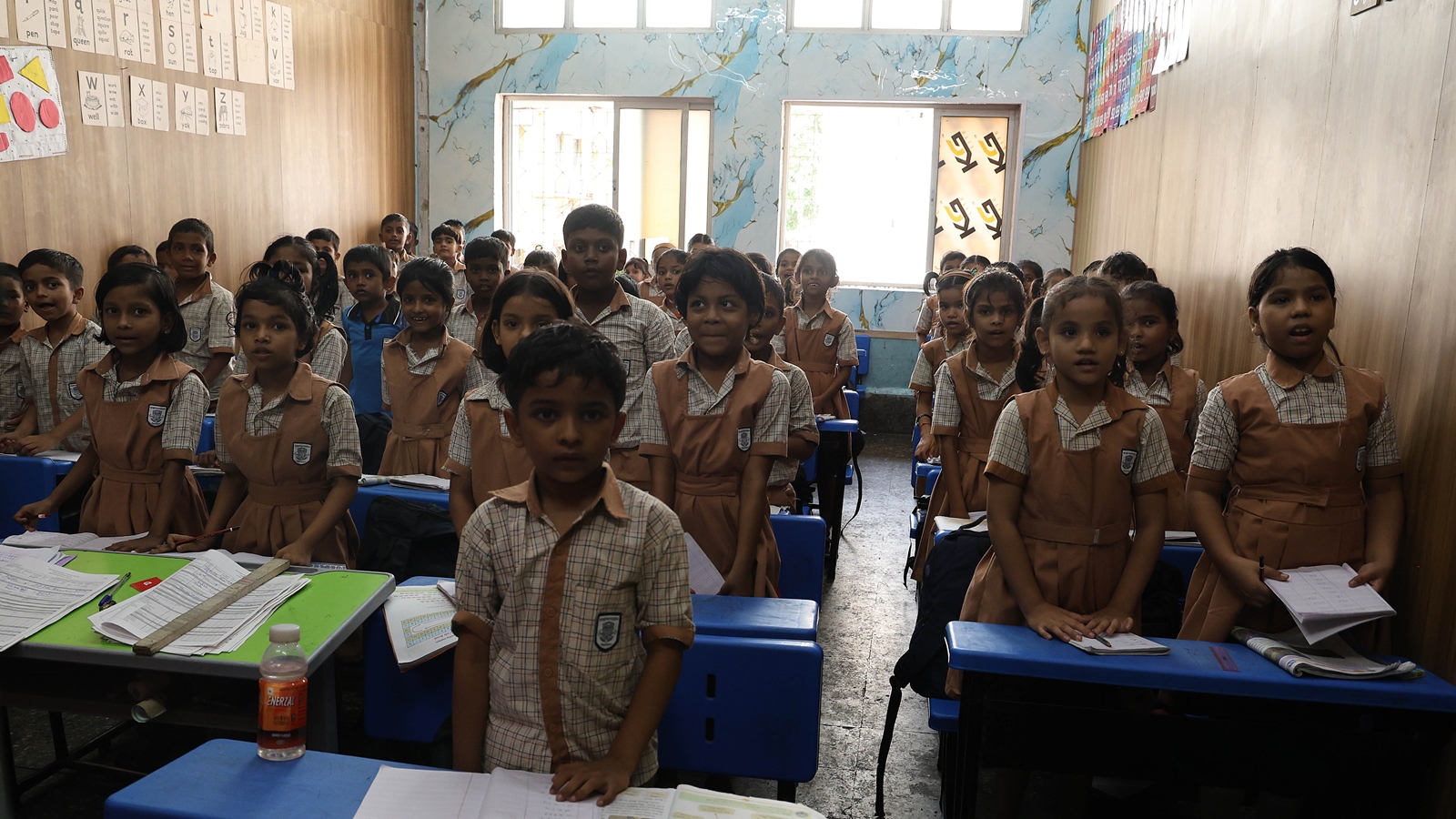
A significant dietary shift is underway in the classrooms of Mumbai. Driven by the recent crackdown from the Food and Drug Administration (FDA), school canteens across the city are aggressively rewriting their menus to prioritize student wellness over convenience and taste. The era of the ubiquitous vada pav and samosa in school corridors is rapidly coming to an end.
Major educational bodies, including the Archdiocesan Board of Education (ABE), have implemented sweeping changes. Instead of deep-fried snacks, students are now being served nutrient-dense options such as idli, dosa, poha, sheera, and upma. Furthermore, the ban extends to beverages, with sugary aerated drinks being phased out in favor of traditional, healthy alternatives like chaas (buttermilk).
Why This Matters
BozokMedia analysis shows that this regulatory push is a direct response to the rising epidemic of childhood obesity and lifestyle diseases in urban India. By enforcing the Food Safety and Standards Regulations, 2020, authorities are attempting to create a controlled nutritional environment that extends beyond the classroom and into the very habits children form daily.
'The transition from high-fat snacks to balanced nutrition is a critical intervention for long-term public health.'
The mandate, spearheaded by FDA Commissioner Tukaram Mundhe, is particularly stringent. Schools are now tasked with ensuring that no vendor within a 50-meter radius of the campus sells High Fat, Sugar, and Salt (HFSS) foods. This places a significant administrative burden on school principals to monitor and report non-compliant local vendors to the authorities.
Leading institutions like the Podar Education Network have gone a step further by launching campaigns like #ChuckTheJunkFood, replacing even birthday cakes and sweets with fresh fruits. This holistic approach aims to align school culture with nutritional science.
Historical Background
While the Food Safety and Standards (Safe food and balanced diets for children in school) Regulations were notified in 2020, it has taken nearly five years of administrative groundwork and recent FDA pressure to see widespread implementation across Mumbai's private and government-aided schools.
Frequently Asked Questions
1. What are the new approved food items in Mumbai schools?
Approved items include idli, dosa, poha, upma, and buttermilk, focusing on low-fat and balanced nutrition.
2. Are parents involved in this change?
Yes, schools are actively communicating with parents to ensure that home-packed tiffins also adhere to healthy eating guidelines.