Union Minister Manohar Lal stated that the alignment of Central, State, and Municipal governments will ensure the seamless execution of the newly notified Delhi Master Plan 2047.
- The Delhi Master Plan 2047 has been officially notified.
- Minister Manohar Lal emphasized the 'Triple Engine' synergy between Centre, State, and MCD.
- CAG previously flagged implementation gaps in earlier master plans.
- The plan aligns with India's centenary of independence in 2047.
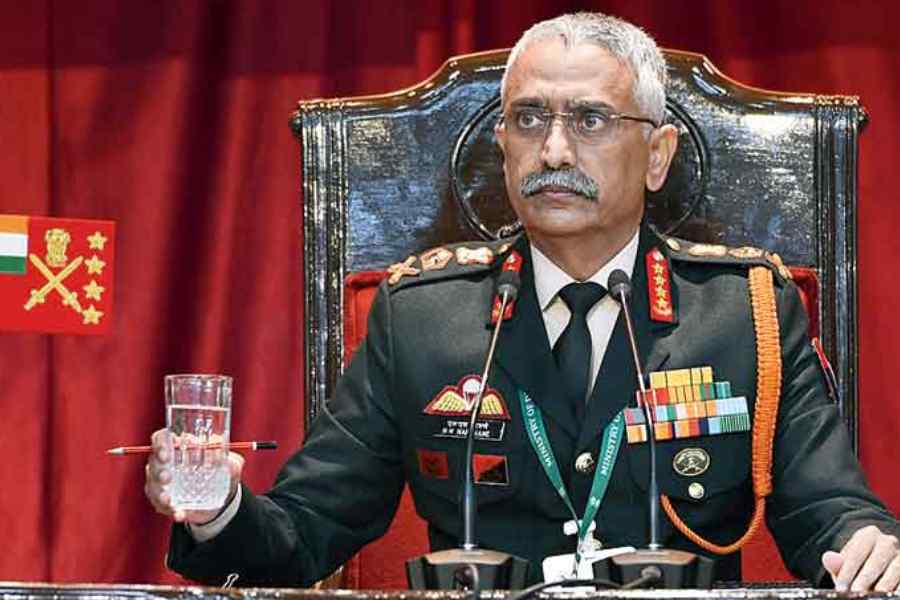
New Delhi: With the formal notification of the Delhi Master Plan 2047 on Thursday, Union Minister for Housing and Urban Affairs, Manohar Lal, has signaled a new era of urban governance. Highlighting the unique political landscape, the Minister asserted that the 'triple engine sarkar'—referring to the BJP's presence at the Central, State, and Municipal levels—will provide the necessary impetus for the plan's effective implementation.
Addressing the complexities of Delhi's administration, the Minister acknowledged the inherent challenges posed by a multiplicity of authorities. The city's governance is split between the Union Government, the Delhi Development Authority (DDA), the New Delhi Municipal Council (NDMC), the Delhi Government, and the Delhi Jal Board. "In the past, from the 1962 plan to the 2021 version, we never had this kind of opportunity for total coordination," Manohar Lal remarked during a press conference.
Why This Matters
BozokMedia analysis shows that the historical bottleneck in Delhi's urban development has not been a lack of planning, but a lack of administrative synchronicity. When the Centre and the State are governed by opposing ideologies, critical infrastructure projects often stall due to jurisdictional friction.
Effective urban governance in a multi-authority city like Delhi requires seamless political and administrative convergence to move from blueprint to reality.
The urgency for this coordinated approach was underscored by a recent report from the Comptroller and Auditor General (CAG) of India. Tabled in Parliament, the CAG report flagged significant lapses in the implementation of previous Master Plan provisions, recommending regular monitoring to ensure developmental milestones are met.
A significant shift in this new plan is its temporal horizon. While previous master plans typically followed a 20-year cycle anchored by decadal censuses, the Delhi Master Plan 2047 is strategically designed to coincide with India's 100th year of independence. This long-term vision is also being mirrored by the NCR Planning Board, which is extending the regional plan's horizon to 2047.
Frequently Asked Questions
1. What does the 'Triple Engine' concept refer to in this context?
It refers to the simultaneous governance by the same political ideology at the Central, State, and Municipal (MCD) levels, aimed at reducing coordination friction.
2. Why was the CAG report significant for Delhi's planning?
The CAG report highlighted that previous master plans were not being implemented as prescribed, necessitating a more rigorous monitoring mechanism.