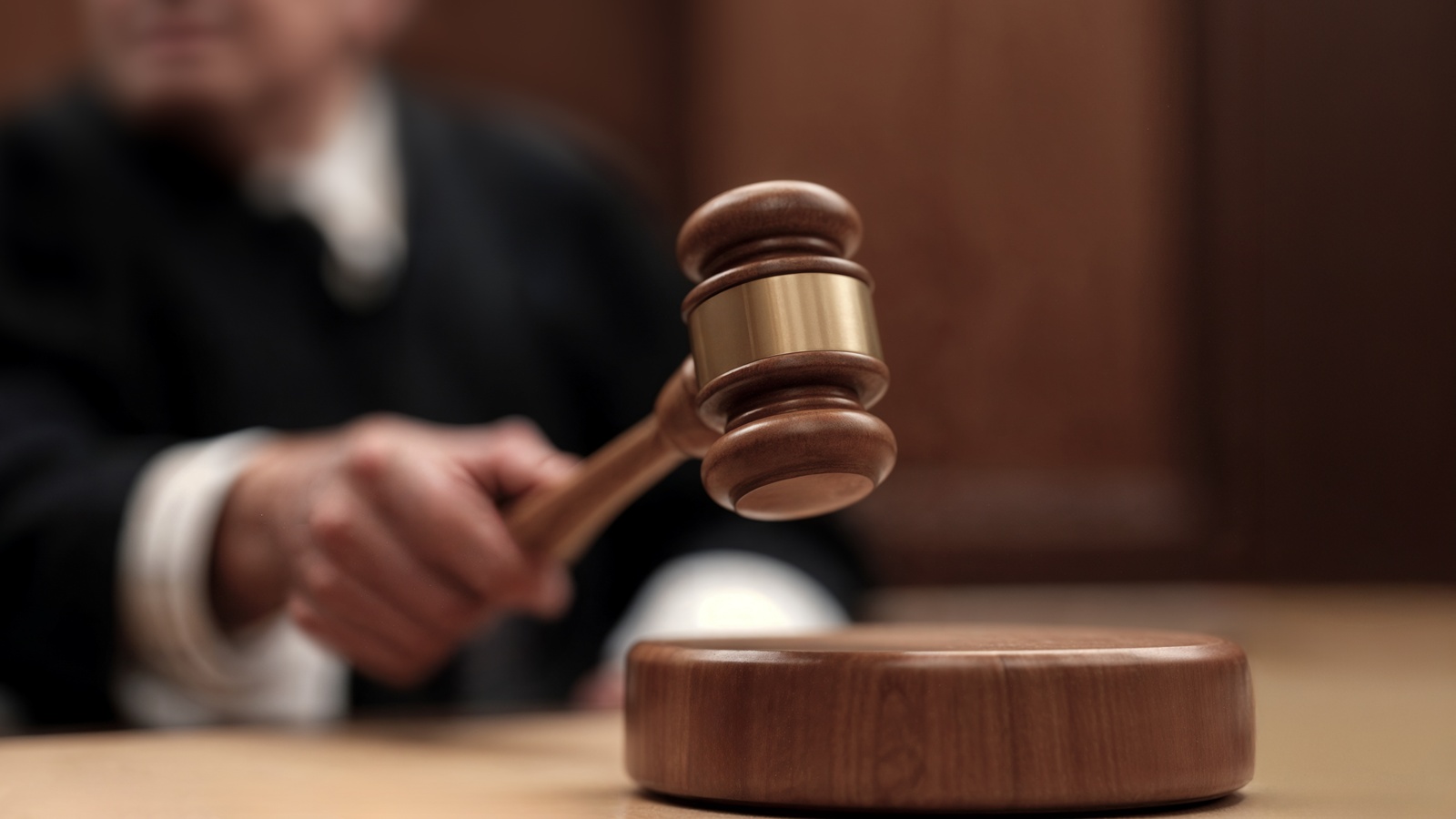
A special NIA court has rejected the bail plea of Insha Jan, an accused in the 2019 Pulwama attack, citing strong prima facie evidence and UAPA restrictions.
- Special NIA court rejected Insha Jan's bail plea.
- The court cited Section 43-D(5) of the UAPA as a primary reason for denial.
- Accused is allegedly linked to Jaish-e-Mohammed militants.
A special National Investigation Agency (NIA) court on Wednesday denied bail to Insha Jan, one of the key accused in the devastating 2019 Pulwama terror attack that claimed the lives of 40 CRPF personnel. Presiding officer Prem Sagar, in a detailed 15-page order, observed that the material on record provides sufficient grounds to presume that the accusations against her are prima facie true.
Legal Grounds and UAPA Restrictions
The defense counsel argued for bail on the grounds of prolonged incarceration, health issues, and delays in the ongoing trial. However, the court held that Section 43-D(5) of the Unlawful Activities (Prevention) Act (UAPA) acts as a statutory bar. This specific provision prevents the release of an accused if the court, upon reviewing the chargesheet, finds reasonable grounds to believe the accusations are true at the initial stage.
Why This Matters
BozokMedia analysis shows that this ruling reinforces the stringent nature of anti-terror laws in India. The court's refusal to prioritize the 'delay in trial' argument over 'witness tampering risks' highlights the judiciary's cautious approach in high-stakes national security cases where the integrity of the prosecution is paramount.
The court's decision underscores the heavy legal threshold required to secure bail under stringent anti-terror legislations like UAPA.
Addressing the health concerns raised by the defense—including chronic dermatological issues and cervical spondylosis—the court ruled that these ailments were not life-threatening. While directing jail authorities to provide necessary medical care, the judge emphasized that the ongoing examination of witnesses makes her release a potential risk to the judicial process, as she could influence key testimonies.
Background of the Case
Insha Jan, a resident of Pulwama, Kashmir, was arrested in March 2020. The NIA alleges she maintained direct contact with Pakistani militants, including Muhammad Umar Farooq, and provided logistical support, food, and shelter to Jaish-e-Mohammed (JeM) operatives. Crucially, the NIA presented evidence that the suicide bomber's video was recorded at her residence shortly before the attack.
Frequently Asked Questions
1. Why was the bail plea rejected despite the trial delay?
The court feared that releasing the accused could allow her to influence witnesses, thereby hampering the trial.
2. What specific law prevented her release?
Section 43-D(5) of the Unlawful Activities (Prevention) Act (UAPA) was the primary legal barrier.