Following unprecedented rainfall that dumped over 72mm in under two hours, NDMC Chairperson Manoj Kumar Dwivedi has issued a formal apology for the resulting waterlogging in the capital.
- Over 72 mm of rainfall was recorded in less than two hours on August 25, 2026.
- NDMC Chairperson Manoj Kumar Dwivedi apologized for the disruption caused to residents.
- The civic body plans to implement short-term and long-term measures to prevent future occurrences.
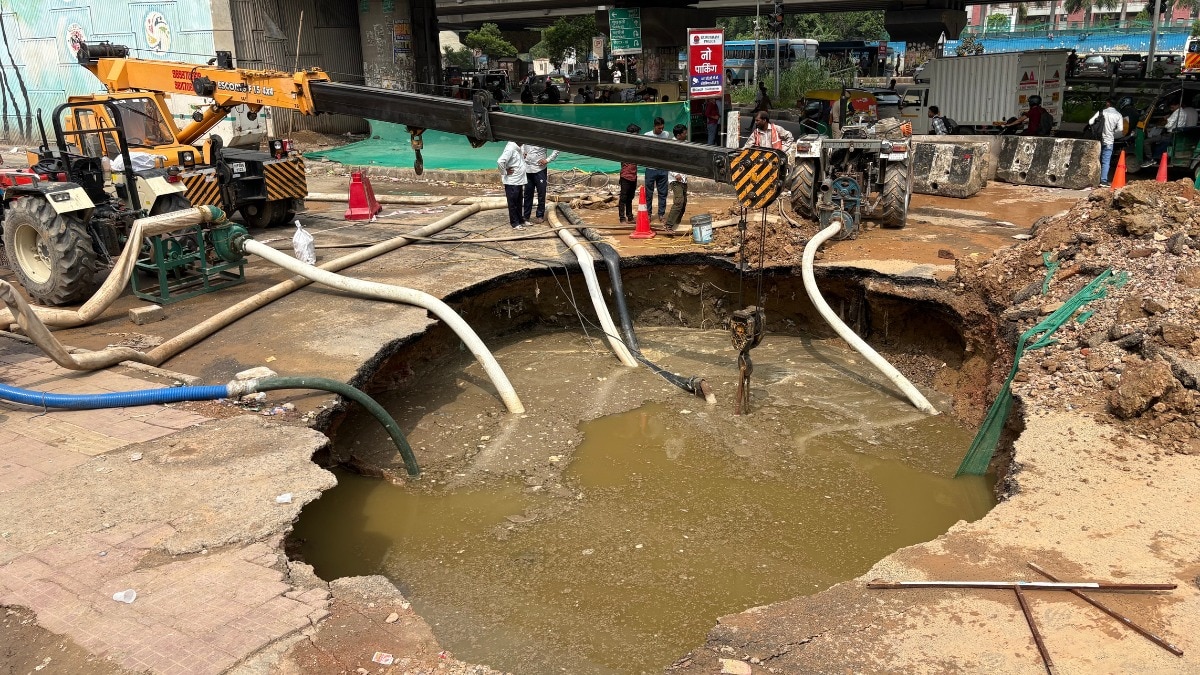
New Delhi: The New Delhi Municipal Council (NDMC) on Wednesday issued a formal apology to the residents of its jurisdiction following heavy rain-triggered waterlogging that disrupted life across several parts of the national capital. The intense downpour on Tuesday, August 25, 2026, left many streets submerged, causing significant inconvenience to commuters and residents alike.
NDMC Chairperson Manoj Kumar Dwivedi addressed the situation via a post on 'X', noting that while the civic body typically manages to clear waterlogging within 15 to 20 minutes, the sheer intensity of this specific weather event challenged existing protocols. He admitted that in at least three to four major locations, water remained stagnant for over an hour.
Why This Matters
BozokMedia analysis shows that the increasing frequency of 'extreme weather events'—characterized by high-intensity rainfall over short durations—is placing an unsustainable strain on Delhi's aging drainage infrastructure. The ability of a city to recover from such spells is a direct indicator of its urban resilience and climate adaptation strategies.
'The intense spell cannot be treated as an excuse for the disruption faced by residents; we are committed to systemic improvements.'
Mr. Dwivedi emphasized that although the rainfall was described as 'unexpected,' the NDMC takes full responsibility for the inconvenience caused. He announced that the council would undertake a comprehensive series of both short-term fixes and long-term structural improvements to ensure the entire NDMC area becomes 'fully waterlogging free.'
Historical Background: The Urban Flooding Crisis
Urban flooding has become a perennial issue in Delhi. As the city expands, the replacement of natural permeable surfaces with concrete prevents rainwater from infiltrating the ground. This, combined with the clogging of drains and the increasing volatility of monsoon patterns due to climate change, has turned seasonal rains into major logistical crises for the capital's administration.
Frequently Asked Questions
1. How much rain fell in Delhi on August 25?
More than 72 mm of rainfall was recorded in a period of less than two hours.
2. What is NDMC's plan to prevent future waterlogging?
The NDMC plans to implement a combination of short-term emergency measures and long-term infrastructure upgrades to make the area waterlogging-free.