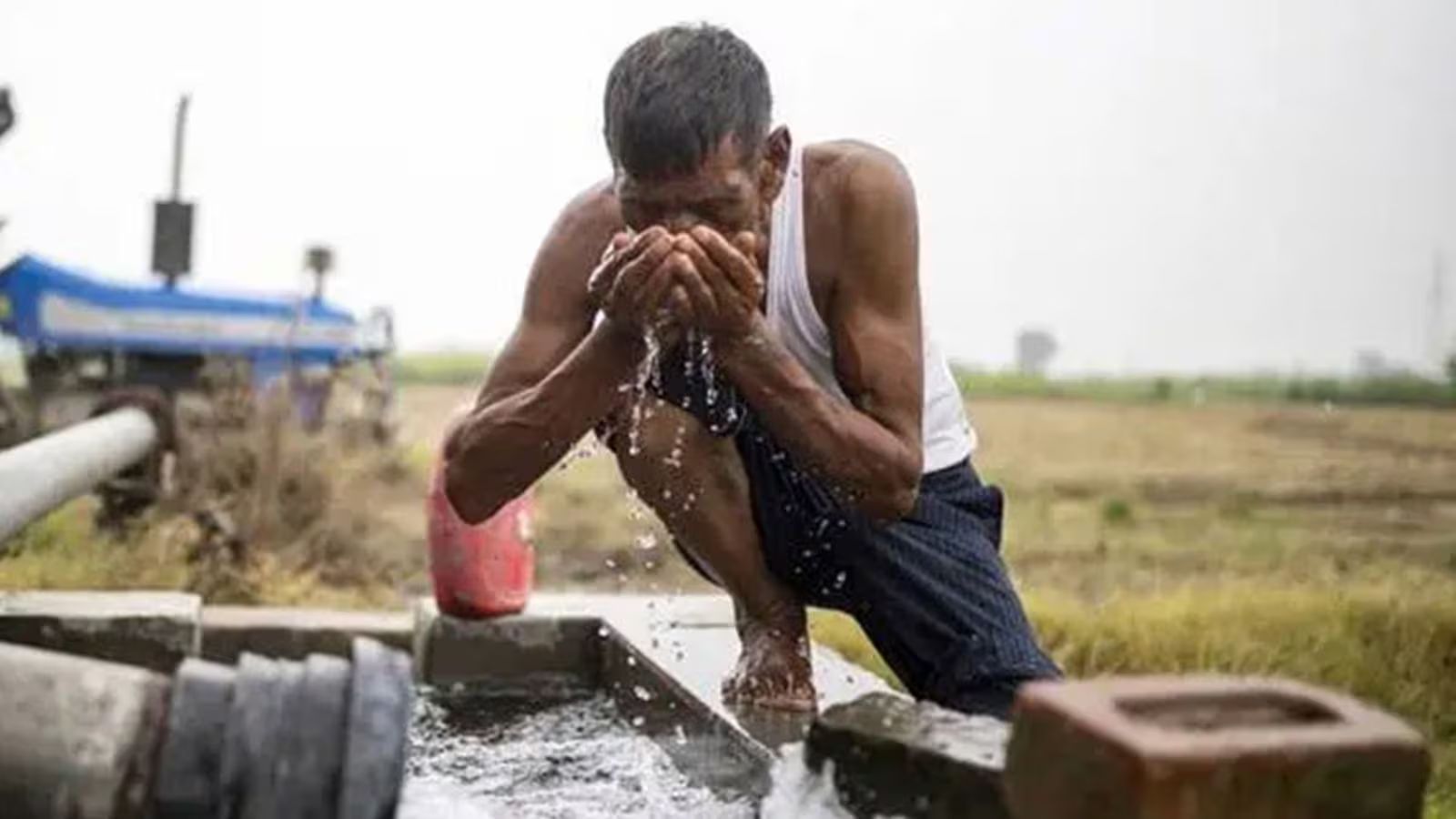
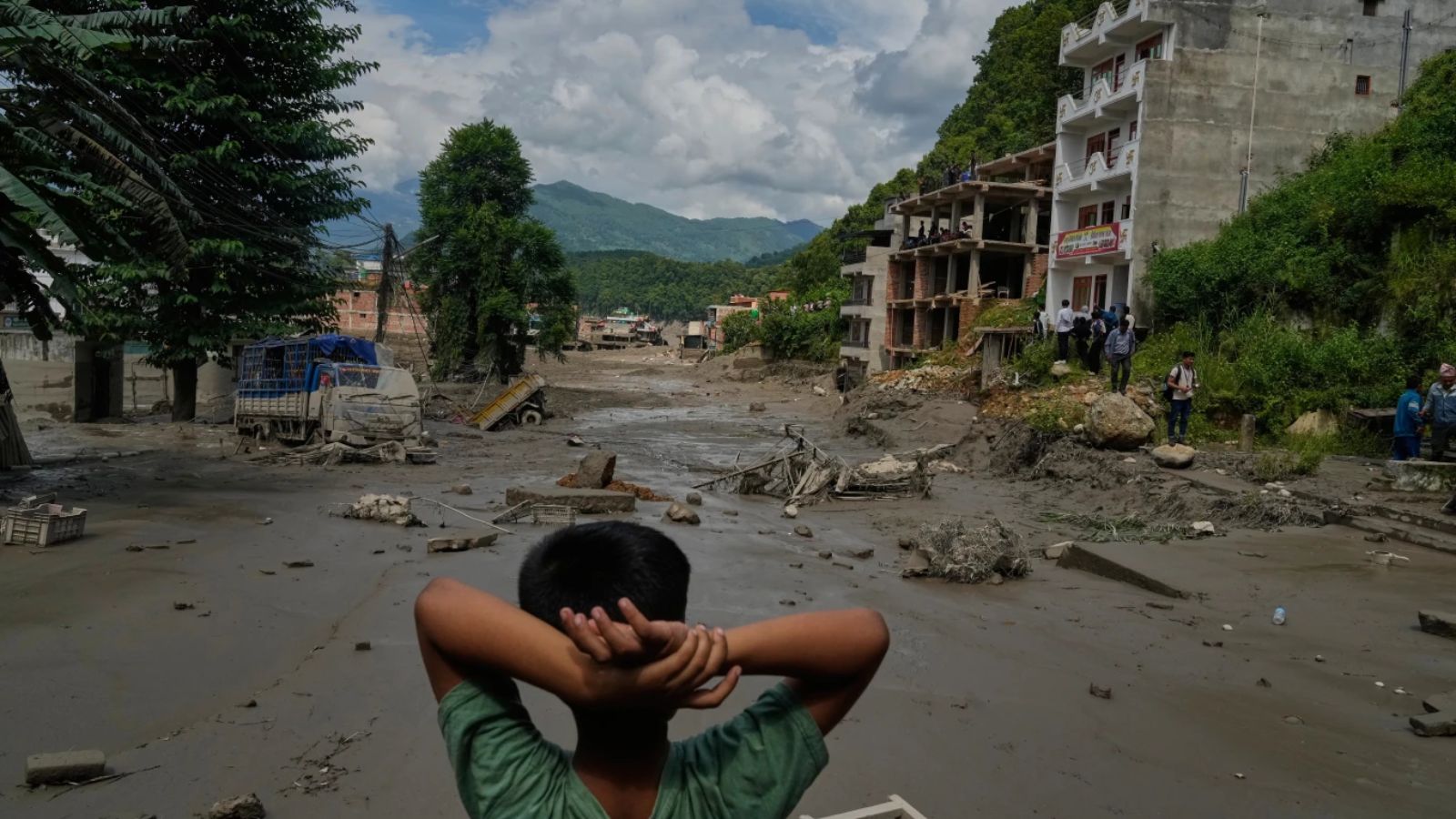
The Meteorological Centre in Srinagar warns that Jammu and Kashmir will remain hot and humid over the next few days, with light‑to‑moderate rain and thunderstorms forecast for August 31‑September 1, raising flash‑flood and landslide concerns. Farmers are urged to continue harvesting while residents in vulnerable areas should stay alert.
- Hot and humid conditions will dominate through August 30
- Light‑to‑moderate rain and thunderstorms expected on Aug 31‑Sept 1, with flash‑flood risk
- Farmers may keep harvesting; travelers urged to stay vigilant in hilly zones
Detailed Forecast Overview
According to the Meteorological Centre Srinagar, the period from August 27 to August 30 will see generally hot and humid weather across Jammu and Kashmir, interspersed with brief showers or thundershowers at scattered locations.
On August 31 and September 1, many areas are likely to experience light to moderate rain and thunderstorms, especially during early morning and afternoon hours. Intense, short‑lived showers could trigger flash floods, mudslides, and landslides in vulnerable terrain.
From September 2 through September 7, the weather is expected to turn mostly dry, though occasional brief rain or thundershowers may still occur during the same time windows.
Historical Background
Jammu and Kashmir’s monsoon season typically begins in mid‑July and extends into late September. Rainfall patterns are highly variable, with mountainous regions prone to rapid runoff and landslides. Historical records show that similar weather spikes have caused severe flooding and infrastructure damage, underscoring the need for proactive measures.
Why This Matters
BozokMedia analysis shows that the upcoming rain window aligns with the peak agricultural harvesting period, making timely forecasts crucial for minimizing crop losses and ensuring public safety in vulnerable hill zones.
"Intense showers in narrow valleys can quickly overwhelm drainage systems, so immediate caution is essential," says meteorologist Dr. Rajesh Singh.
Frequently Asked Questions
Q1: Will the rain affect ongoing harvests?
A: The weather department advises farmers to continue harvesting but to take extra precautions during heavy downpours to protect crops.
Q2: What should travelers do?
A: Those traveling through hilly or flood‑prone areas should monitor local alerts, avoid low‑lying routes during intense rain, and be prepared for sudden water‑level rises.