Survivors in Nepal's Nuwakot district are expressing intense fury over the government's perceived failure to deliver timely aid and locate missing relatives following a devastating flash flood.
- Devastating flash flood hits Nuwakot district near the Nepal-Tibet border.
- Survivors accuse the government of critical delays in aid distribution.
- Search operations for missing loved ones are being criticized as inadequate.
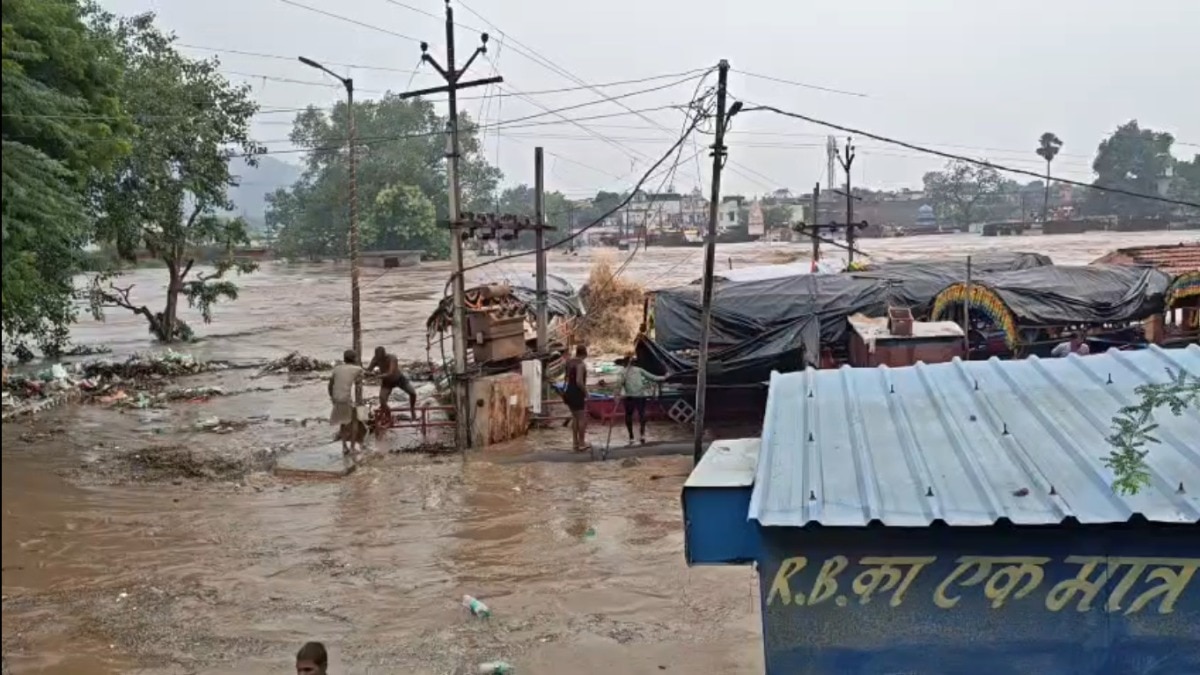
The Nuwakot district in Nepal is currently gripped by a wave of public outrage following a catastrophic flash flood that struck near the Nepal-Tibet border on Wednesday. The disaster has left a trail of destruction, displacing numerous families and destroying vital infrastructure.
As reported by Al Jazeera, survivors are vocal in their criticism of the state's response. There are widespread allegations that the government has failed to provide essential supplies, including food, clean water, and emergency medical care, in a timely manner, exacerbating the suffering of those already traumatized by the event.
Why This Matters
BozokMedia analysis shows that the increasing frequency of extreme weather events in the Himalayan region is testing the limits of national disaster response frameworks. In mountainous terrains like Nepal, the window for effective rescue operations is incredibly narrow. A failure in rapid mobilization not only leads to loss of life but also erodes public trust in administrative capabilities.
The speed of humanitarian response in the immediate aftermath of a disaster is the ultimate litmus test for any government's crisis management protocol.
Beyond the immediate lack of supplies, a deep emotional crisis is unfolding as families struggle to find missing relatives. Many victims claim that the search and rescue operations are insufficient and lack the necessary scale to cover the devastated areas effectively, leaving many in a state of agonizing uncertainty.
Historical Background
Nepal's geography makes it one of the most disaster-prone regions in South Asia. The intersection of steep terrain and intense monsoon patterns often leads to sudden, violent flash floods and landslides. Over the last decade, the impact of these events has intensified, partly due to climate change, making rapid-response infrastructure a critical necessity for the nation.
Frequently Asked Questions
Question 1: Where did the flash flood occur?
Answer: The disaster primarily impacted the Nuwakot district near the border between Nepal and Tibet.
Question 2: What are the main grievances of the flood survivors?
Answer: Survivors are primarily angry about the delay in receiving relief aid and the slow progress in finding missing persons.