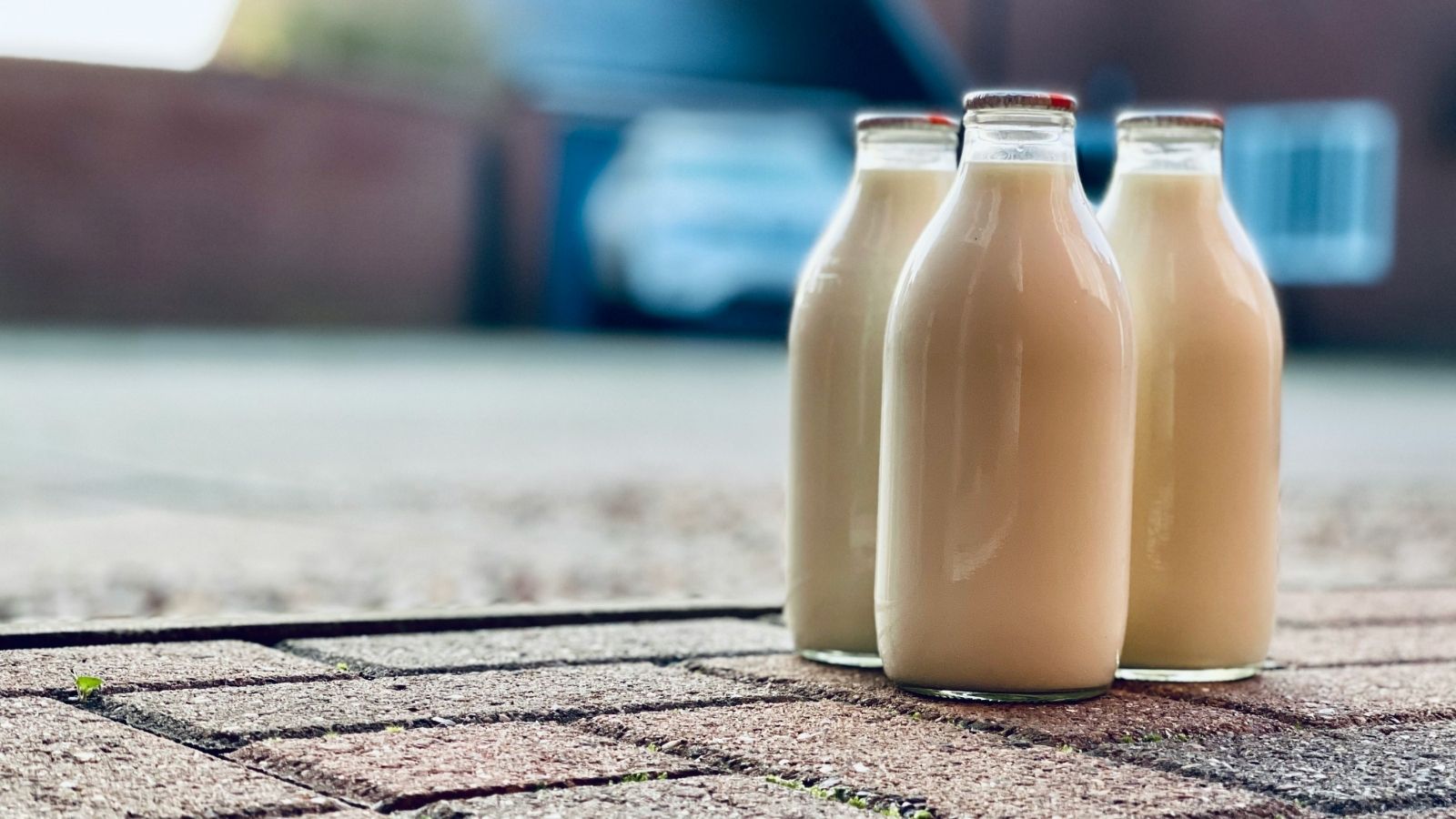
Mumbai residents are facing a significant blow to their monthly budgets as milk prices are set to rise sharply. Following a decision by the BMPA, retail prices for farm-supplied milk could hit as high as Rs 110 per litre.
- Wholesale milk prices in Mumbai will increase by ₹9 per litre.
- Retail prices for direct farm-supplied milk may climb to ₹110 per litre.
- The hike is driven by rising costs of cattle feed and maintenance.
- The price revision is set to take effect from September 1.
The cost of a daily essential is about to rise in Mumbai, adding more strain to the household budgets of millions. The Bombay Milk Producers Association (BMPA) has announced a wholesale price hike of ₹9 per litre for milk supplied by dairies and local farms. This move will shift the wholesale rate from ₹93 to ₹102 per litre, effective this coming Tuesday.
The impact on end-consumers is expected to be even more significant. Industry estimates suggest that the retail price for milk supplied directly from farms could shoot up to Rs 110 per litre. This price hike arrives at an inconvenient time, just as the festive season approaches, which typically sees an increase in the consumption of dairy products.
Why This Matters
According to the BMPA, the decision to hike prices is a direct response to the escalating costs of cattle feed and the general maintenance of livestock. As operational expenses for dairy farmers rise, these costs are inevitably passed down the supply chain to the consumer.
The rising cost of animal nutrition and dairy operational overheads is creating an unavoidable upward pressure on retail milk prices.
This is not an isolated incident in the region. Earlier this month, Gokul, Maharashtra’s largest cooperative milk union, implemented a retail price increase of ₹2 per litre for its buffalo milk. This adjustment brought the price in Mumbai and Pune to ₹78 per litre, a move the union attributed to higher procurement prices paid to dairy farmers.
BozokMedia Analysis
BozokMedia analysis shows that the dairy sector is currently caught in a squeeze between rising input costs and the need to maintain affordable pricing for a massive consumer base. The trend of incremental hikes suggests that the dairy industry is struggling to absorb the volatility in agricultural commodity prices, particularly fodder.
Historical Background
The dairy industry in India has long been a cornerstone of the rural economy. However, the transition from traditional farming to more organized, commercial dairy models has made the sector more sensitive to market fluctuations in grain and feed prices. Historically, seasonal shifts and changes in cattle health management have also played roles in price volatility within metropolitan hubs like Mumbai.
Frequently Asked Questions
1. When will the new milk prices take effect in Mumbai?
The new wholesale rates are expected to be implemented starting September 1.
2. What is the main reason behind the price hike?
The primary reason is the rising cost of cattle feed and livestock maintenance.