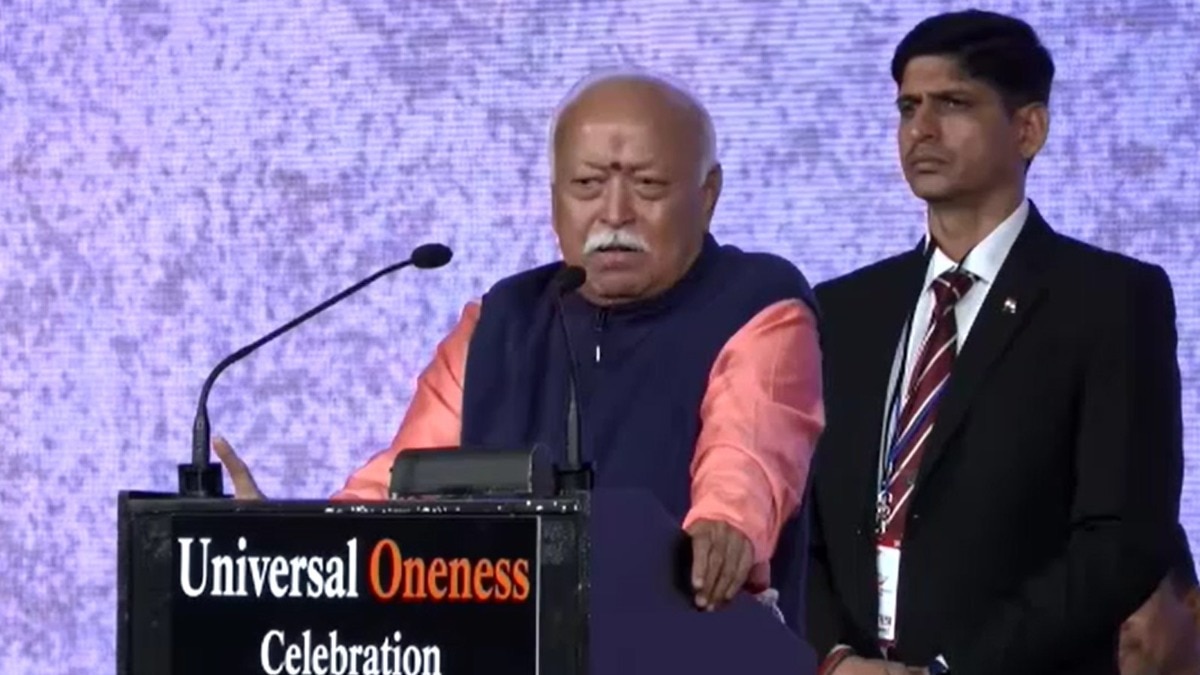
RSS Chief Mohan Bhagwat's address at Madison Square Garden left international critics and media outlets disappointed after he opted for messages of peace over provocative rhetoric. The speech dismantled pre-planned narratives of 'Hindu Supremacy' with a focus on global harmony.
- Mohan Bhagwat delivered a speech focused on 'Vasudhaiva Kutumbakam' and global peace in New York.
- International media and critics, including Zohran Mamdani, expected provocative statements to fuel a 'Hindu Supremacy' narrative.
- Bhagwat reiterated that any Hindu claiming Muslims should not live in India is not a true Hindu.
- The speech lacked the 'sensationalism' typically sought by global news headlines, leading to a narrative collapse for his detractors.
In a surprising turn of events at the iconic Madison Square Garden in New York, the Rashtriya Swayamsevak Sangh (RSS) Chief, Mohan Bhagwat, delivered a speech that was described by some as 'boringly peaceful.' For the global media houses, international thinkers, and activists who had spent months preparing dossiers on 'Hindu Supremacy' and 'Islamophobia,' the event proved to be a strategic disappointment.
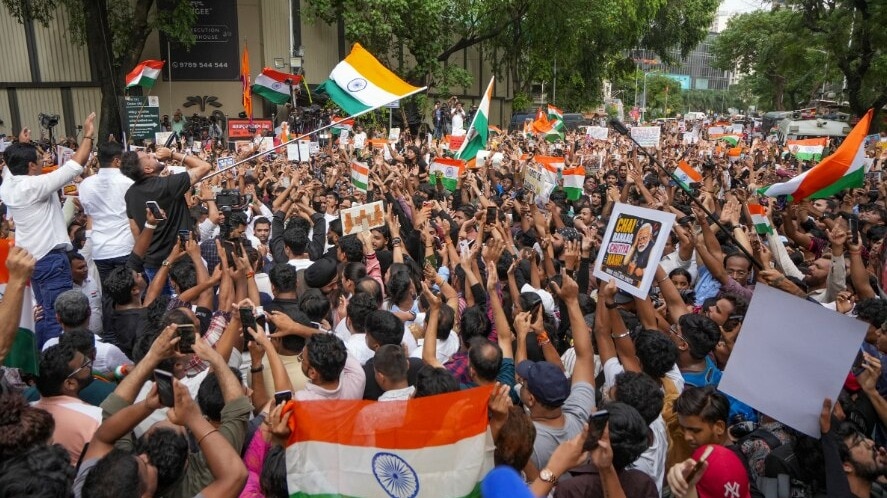
Reports suggest that from London to Delhi, news studios were primed for a firestorm. Figures like Zohran Mamdani and outlets ranging from Al Jazeera to the Wall Street Journal had set the stage for a confrontation. The expectation was that Bhagwat would use the platform to deliver a hardline stance, providing the 'communal' hooks necessary for viral headlines and global debates.
Why This Matters
BozokMedia analysis shows that this event highlights a growing gap between the perceived image of the RSS in Western media and the actual diplomatic rhetoric employed by its leadership on international soil. By choosing a path of moderation and inclusivity, Bhagwat effectively neutralized the 'hate speech' trap set by his critics, making it impossible for detractors to label the address as inflammatory.
Instead of the expected controversy, Bhagwat focused on the philosophy of 'Vasudhaiva Kutumbakam' (The World is One Family). He emphasized unity, diversity, and the shared DNA of India's 1.4 billion people, arguing that national identity transcends religious boundaries. This approach left 'headline-hunters' with no usable material to support a narrative of division.
The strategic use of moderate language in a high-tension environment is a masterclass in narrative control, leaving critics with no ammunition.
The most striking moment came when Bhagwat reiterated a previous stance: "If any Hindu in India says that Muslims should not live here, then he is not a Hindu." This statement directly contradicted the 'Hindu Supremacy' theory that human rights organizations and global think tanks had been preparing to highlight during his visit.
Historically, the RSS has been viewed by Western academics as a monolithic entity of right-wing nationalism. However, Bhagwat's recurring themes—such as the idea that changing worship methods does not change the nation—suggest a nuanced attempt to redefine the organization's global image as one of cultural preservation rather than religious exclusion.
Frequently Asked Questions
Q1: Why were the critics disappointed with the speech?
Critics were hoping for provocative or communal statements that could be used to portray the RSS as promoting hate or supremacy on a global stage.
The core message centered on global peace, brotherhood, and the inherent unity and diversity of the Indian identity.