Scientists warn that the Himalayas accumulate seismic energy equivalent to 350 Hiroshima bombs annually. China's construction of the Metog Dam in this volatile zone could trigger a catastrophic disaster for Northeast India.
- Annual seismic energy accumulation in the Himalayas equals 350-370 Hiroshima atomic bombs.
- The collision of Indian and Eurasian plates creates immense underground stress.
- China's Metog Dam is being built in a high-risk seismic zone on the Yarlung Tsangpo river.
- Potential dam failure could cause unprecedented flooding in Arunachal Pradesh and Assam.
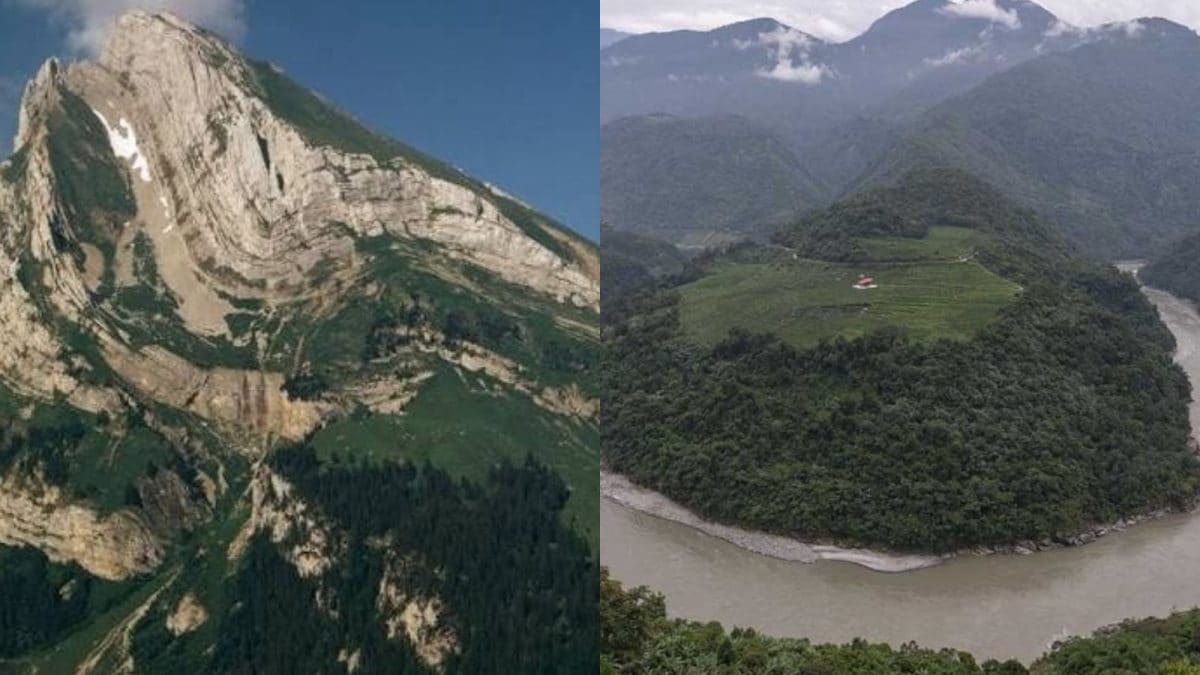
The recent devastating floods in Nepal have once again highlighted the inherent geological vulnerabilities of the Himalayan range. Experts argue that the Himalayas cannot be viewed solely through a spiritual lens; their scientific reality demands extreme caution from India. The range was formed by the collision of the Indian Plate and the Eurasian Plate, creating what are known as 'Fold Mountains'.
Because these plates continue to push against each other, seismic stress builds up daily. Research indicates that across the 2,500 km length of the Himalayas, the 'slip deficit' results in an annual energy accumulation equivalent to approximately 350 to 370 Hiroshima atomic bombs. Essentially, the earth beneath the mountains stores the energy of one atomic bomb every single day.
Why This Matters
BozokMedia analysis shows that this geological instability is being weaponized by infrastructure negligence. The stored energy behaves like a massive compressed spring. When the friction between rocks finally gives way, the energy is released instantaneously, leading to massive earthquakes like the 2015 Nepal disaster.
"The intersection of high seismic energy and massive water reservoirs in the Himalayas creates a scenario of extreme risk for downstream nations."
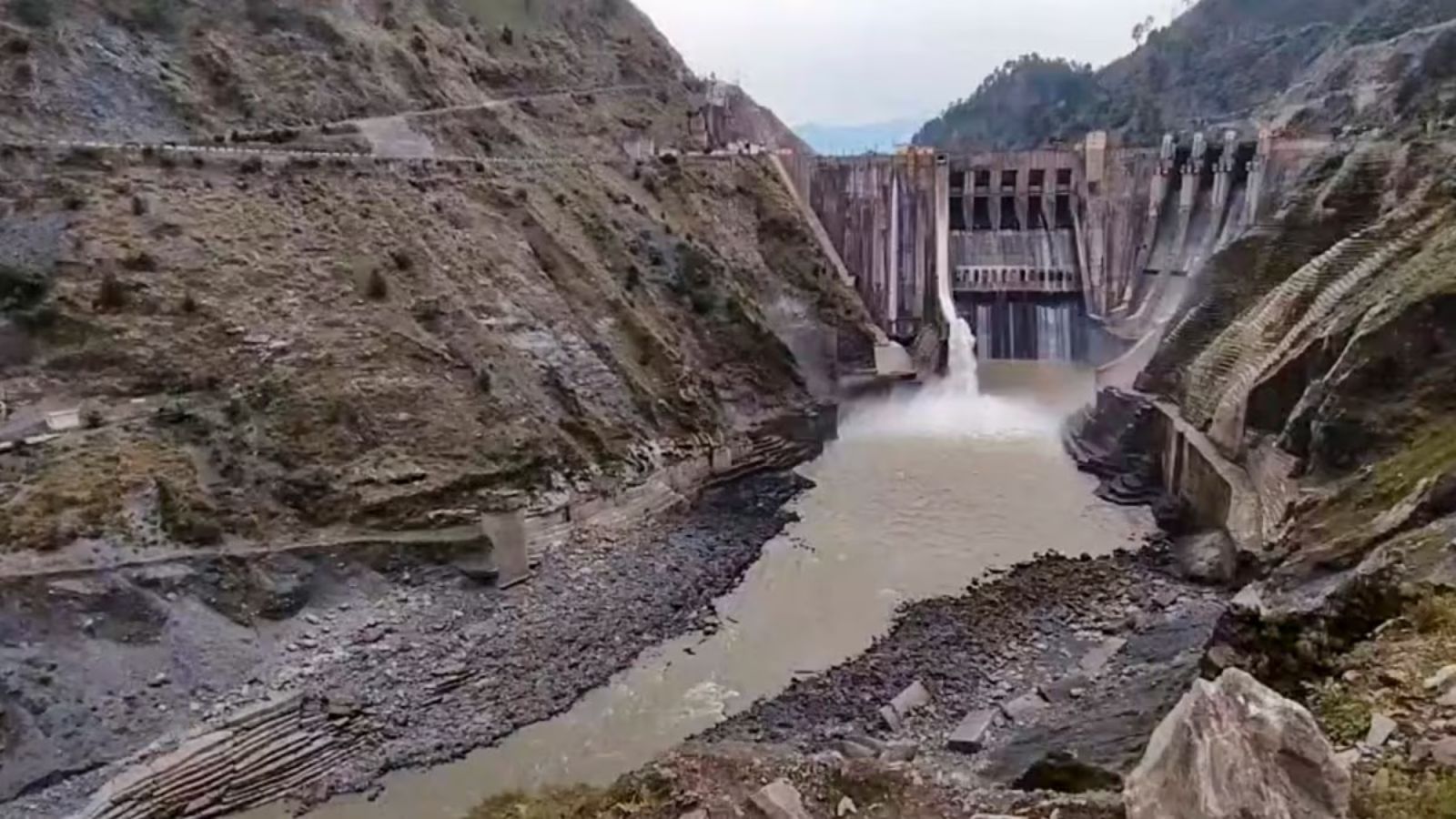
Adding to this natural peril is China's strategic infrastructure push. China is constructing the Metog Dam on the Yarlung Tsangpo (the Brahmaputra in India) in the 'Great Bend' region. This project aims to be the world's largest hydroelectric plant, but it is situated precisely on a volatile tectonic boundary.
While the current Nepal floods are not directly linked to this dam, the long-term risk is terrifying. A major earthquake triggering a breach in the Metog Dam would send a wall of water crashing into Arunachal Pradesh and Assam, causing a disaster of historic proportions.
Frequently Asked Questions
Q1: Is there a direct link between the Nepal floods and China's dam?
No, the current floods are natural, but they serve as a warning of the region's instability.
Q2: What measures should India take to mitigate this risk?
India must engage in transparent diplomatic negotiations with China regarding dam safety and upgrade early warning systems in the Northeast.