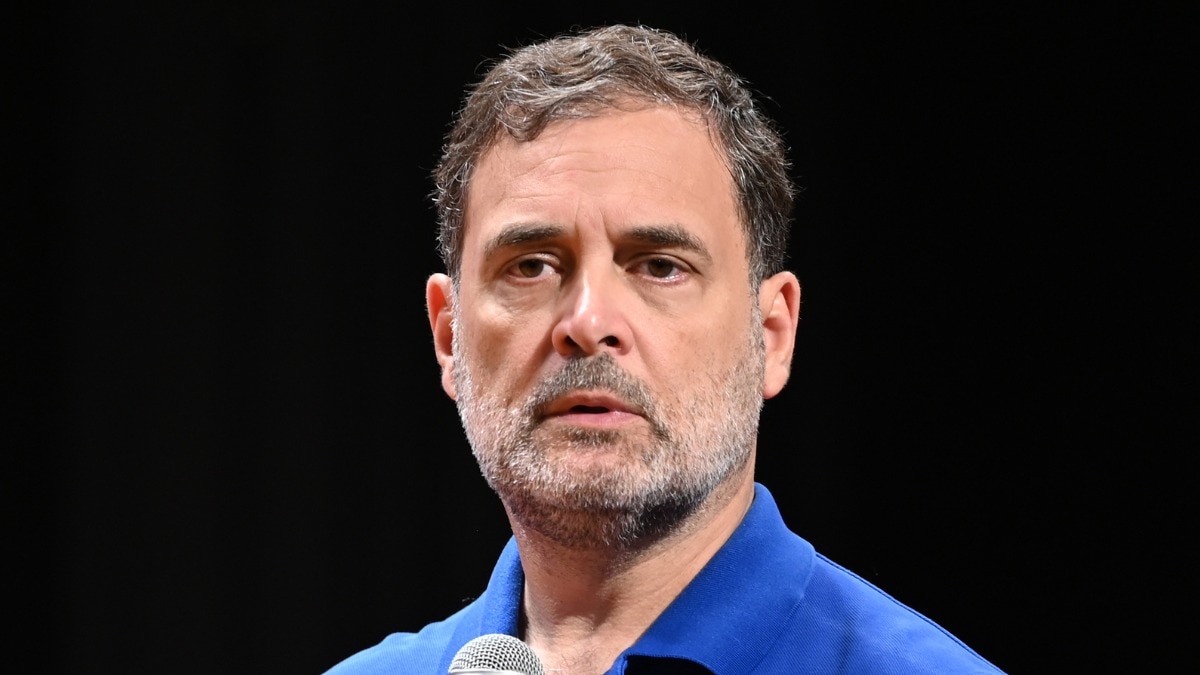
The Delhi High Court has demanded responses from the Central Government and Meta Platforms regarding the suspension of National Conference MP Aga Syed Ruhullah Mehdi's Facebook page, citing potential violations of free speech.
- Delhi High Court issued notices to the Centre and Meta Platforms regarding the suspension of an MP's FB page.
- The page has been restricted since March following an IT Act notice.
- The petitioner argues that a blanket ban on an entire account is unconstitutional.
New Delhi: The Delhi High Court on Tuesday sought detailed responses from the Central Government and Meta Platforms following a petition filed by National Conference (NC) MP Aga Syed Ruhullah Mehdi. The MP is challenging the suspension of his official Facebook page, which he claims is a vital tool for democratic discourse and constituent communication.
Justice Swarana Kanta Sharma issued notices to the Ministry of Information and Broadcasting, the Ministry of Electronics and Information Technology (MeitY), and Meta Platforms. While the court has scheduled the next hearing for September 30, it declined to grant interim relief at this stage, emphasizing the need to hear the respondents first.
Why This Matters
BozokMedia analysis shows that this case highlights the growing tension between state-mandated content moderation and the constitutional right to free speech. The use of 'blanket bans' instead of 'targeted content removal' raises serious questions about the proportionality of government actions under the Information Technology Act.
The judiciary must now decide whether the convenience of law enforcement outweighs the fundamental right of a public representative to communicate with their electorate.
During the proceedings, counsel for Meta informed the court that the page was taken down pursuant to a notice from a law enforcement agency. The company has requested additional time to submit the relevant documentation to the court.
The petition emphasizes that the page, titled “Ruhullah Mehdi”, serves as a professional engagement platform. The plea argues that while the statutory framework allows for the removal of specific unlawful content, it does not authorize the total restriction of an entire account without identifying the offending material, which contradicts Article 19(2) of the Constitution of India.
Historically, the Indian government has increased its use of takedown notices to curb misinformation and maintain public order, but the lack of a transparent appeal process for the affected users remains a point of intense legal contention.
Frequently Asked Questions
1. Why is MP Mehdi challenging the suspension?
He argues that the suspension was done without a hearing or detailed reasons, violating his right to freedom of speech and expression.
2. What was Meta's defense in court?
Meta stated that the action was not arbitrary but was taken in compliance with a notice issued by a law enforcement agency.