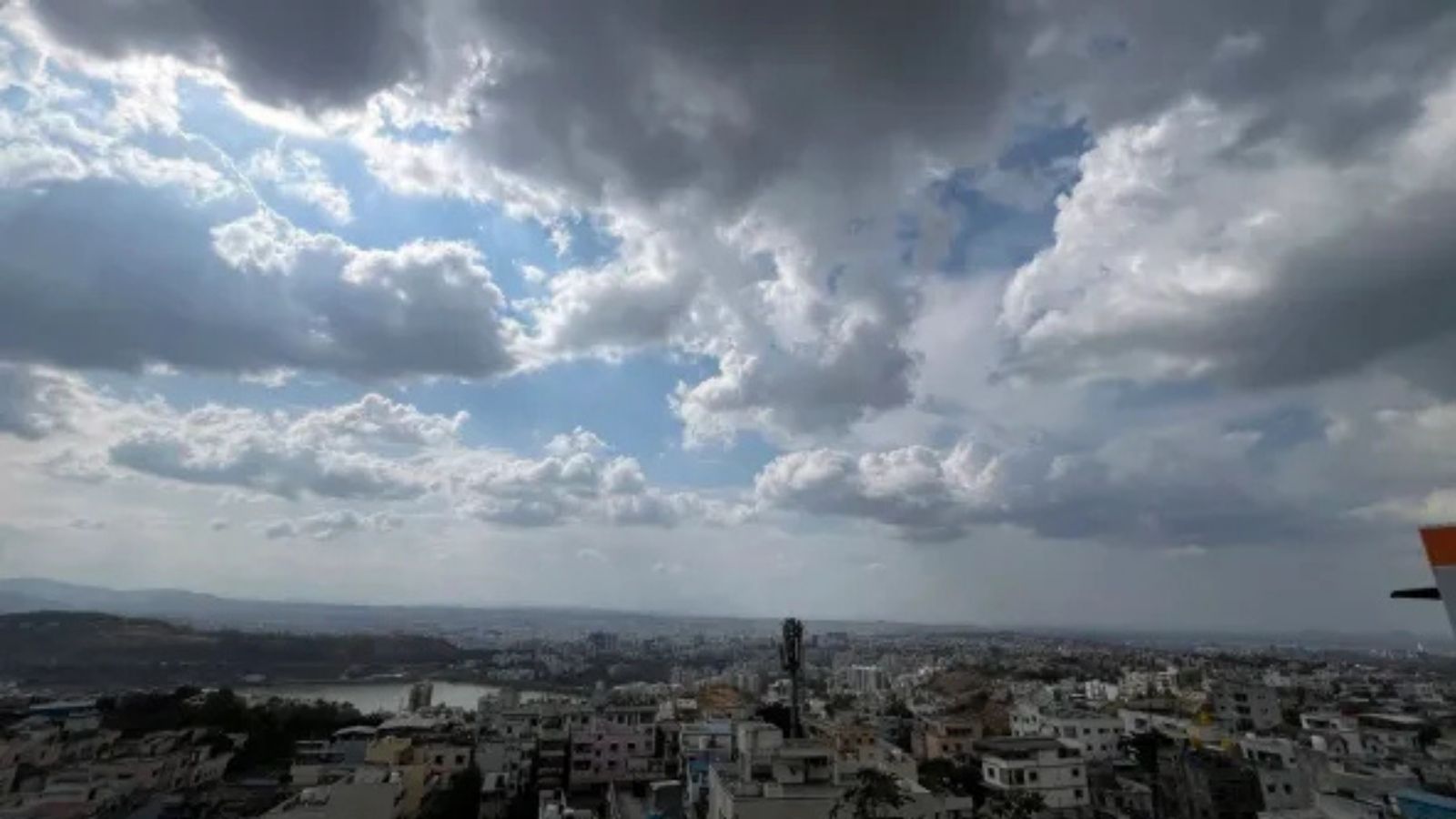
Despite a strong start to the monsoon, Pune faces a precarious situation as a dry August and a predicted below-normal September threaten to wipe out its rainfall surplus and deplete reservoirs.
- Pune currently holds a 31% cumulative monsoon surplus, primarily due to extreme July rains.
- August recorded the third-lowest rainfall in a decade, creating a 28% deficit for the month.
- IMD forecasts below-normal September rain, risking rapid depletion of reservoir levels.
- Rising temperatures and El Niño maturation are expected to increase evaporation rates.
The city of Pune finds itself in a paradoxical meteorological situation. While the cumulative data for the monsoon season (June to September) suggests a comfortable 31% surplus, the reality on the ground is shifting toward a potential water crisis. The surplus is largely a legacy of an exceptionally wet July, which is now being eroded by a starkly dry August and a worrying forecast for September.
According to K S Hosalikar, former head of Climate Research and Services at the India Meteorological Department (IMD), the current surplus is deceptive. August brought only 84.5 mm of rain to the Shivajinagar weather station, marking one of the driest Augusts in ten years. With September predicted to see rainfall below 91% of the Long Period Average (LPA), the cushion provided by July is rapidly disappearing.
Why This Matters
BozokMedia analysis shows that the critical issue is not just the lack of rain, but the timing of the deficit. When rainfall drops during the latter half of the monsoon, reservoirs do not receive the necessary late-season replenishment. This creates a dangerous gap between available supply and urban demand. If the Pune and Pimpri Chinchwad municipal corporations do not implement immediate water conservation measures, the city could face severe shortages before the next cycle.
"Reservoir levels would come down quickly, even in the next 15 days... we would be pulling from resources because there is no inflow."
The situation is further complicated by temperature spikes. Projections for September indicate that both maximum and minimum temperatures will remain above normal. This atmospheric heat accelerates evaporation from dams, lakes, and reservoirs, effectively stealing water from the storage systems while urban consumption remains constant.
On a broader scale, this regional trend mirrors a national pattern. India ended August with a 14% rainfall deficit, and Maharashtra faced a 12% deficit. While the agricultural sector in well-irrigated zones may survive, rain-fed crops have likely suffered due to the combination of dry heat and lack of precipitation during the critical August window.
Looking ahead, the maturation of El Niño is a significant concern. Experts predict El Niño could peak by late October or early November, potentially driving temperatures higher and extending the dry spell. However, there is a slim hope: the monsoon withdrawal phase, starting around September 10, often brings thunderstorms to Maharashtra that could provide partial replenishment.
| Metric | July Status | August Status | September Forecast |
|---|---|---|---|
| Rainfall Level | Historically Heavy | 3rd Lowest in Decade | Below Normal (<91% LPA) |
| Impact | Created 31% Surplus | 28% Monthly Deficit | Potential Surplus Erasure |
| Temperature | Moderate/Cool | Dry Heat | Above Normal (High Evaporation) |
Frequently Asked Questions
Q1: Will Pune face an immediate water shortage?
While reservoirs currently have water from July, the lack of inflow and high evaporation mean levels will drop quickly, making conservation essential.
Q2: How does El Niño affect the local weather?
El Niño typically leads to higher-than-average temperatures and erratic rainfall patterns, which could exacerbate the current dry spell in Maharashtra.