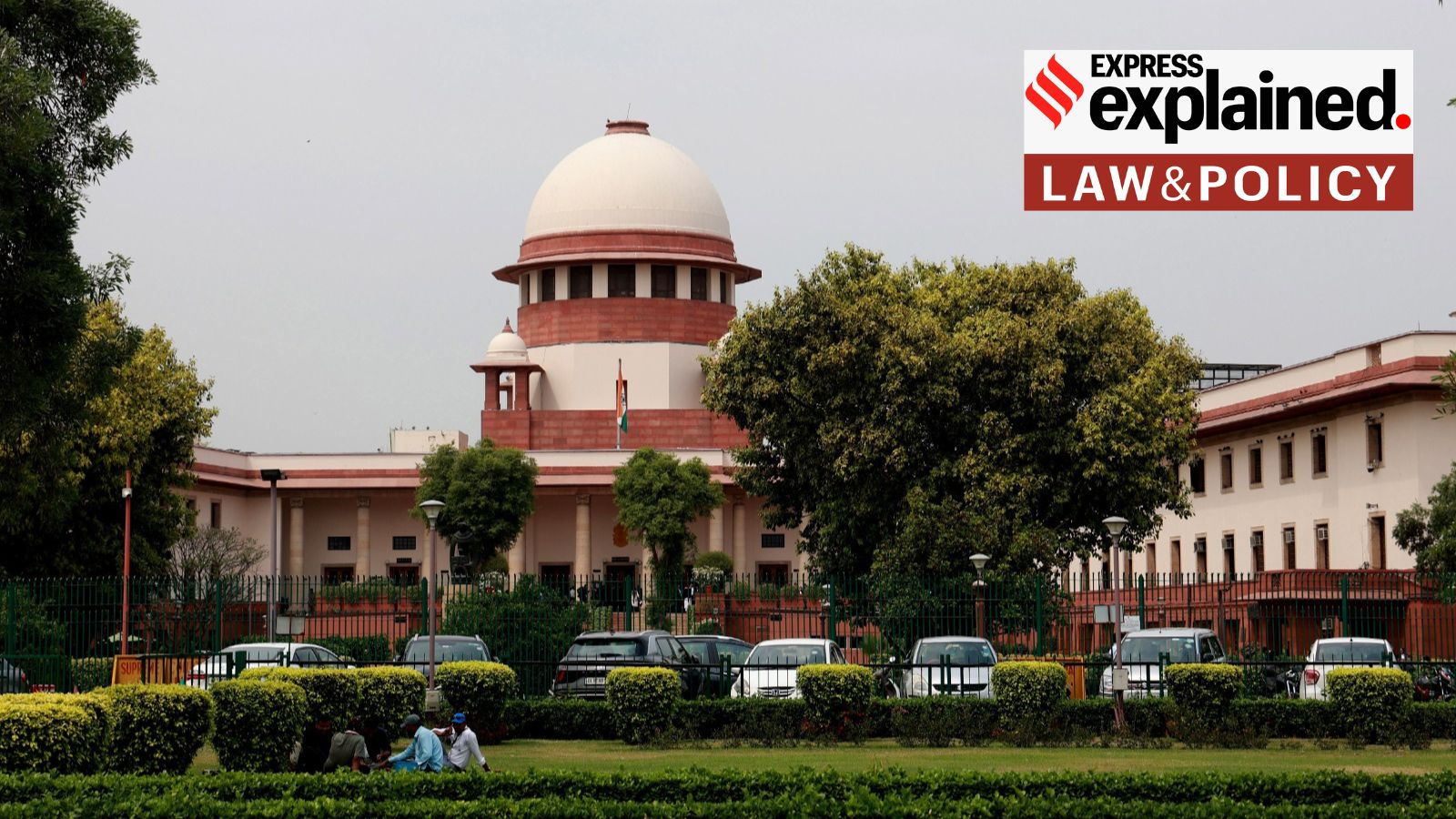
Despite a constitutional provision allowing the President to appoint 'distinguished jurists' to the Supreme Court, India has never utilized this route. Justice Ujjal Bhuyan recently urged a reconsideration to diversify the bench and integrate legal academia.
- Article 124(3) permits the appointment of 'distinguished jurists' to the Supreme Court.
- No jurist has been appointed via this route in 76 years of Indian independence.
- Justice Ujjal Bhuyan argues that academia's inclusion would reduce narrow technicality in public law.
- The Collegium system and Bar Council rules create systemic barriers to such appointments.
For over seven decades, a specific gateway to India's highest court has remained locked. While the majority of Supreme Court judges are elevated from High Courts or appointed from the Bar, Article 124(3) of the Constitution provides a third, untapped option: the appointment of a "distinguished jurist" in the opinion of the President.
The conversation was reignited during the 13th convocation of the LL.M programmes at National Law University Delhi, where Justice Ujjal Bhuyan described this provision as an "unused mandate" that requires urgent attention. Justice Bhuyan posits that the inclusion of legal scholars and academics would diversify the bench, allowing the court to tackle complex public law issues without being overly constricted by narrow legal technicalities.
The Constitutional Genesis
The provision was born from the vision of the Constituent Assembly in May 1949. H V Kamath argued that the pool of judicial candidates should not be limited to practicing advocates or judges. He envisioned bringing in individuals with outstanding legal learning, drawing parallels to the International Court of Justice at The Hague. Even Dr. B.R. Ambedkar supported the concept, though he debated whether the term "eminent" was more appropriate than "distinguished." The goal was to ensure the court benefited from deep theoretical and juristic expertise, similar to the appointment of Harvard law professors to the US Supreme Court.
Why This Matters
BozokMedia analysis shows that the persistent avoidance of this clause reflects a deep-seated preference for "courtroom experience" over "legal scholarship" in the Indian judiciary. By ignoring the 'distinguished jurist' route, the Supreme Court misses out on the intellectual rigor of academia, which could provide a more holistic approach to constitutional interpretation and systemic legal reform.
The failure to appoint a distinguished jurist suggests a systemic bias toward procedural expertise over theoretical depth in the highest court of the land.
Barriers to Implementation
Justice Bhuyan suggested two primary reasons for this void: a perceived lack of depth in Indian legal academia or a simple failure by the government and the collegium to explore the provision. However, the structural reality is more complex. Today, the Collegium system controls recommendations; a jurist would need the approval of current judges, who may be biased toward their own professional trajectory (the Bar or High Court).
Furthermore, Bar Council rules often prevent full-time law teachers from practicing law, creating a paradox where those most qualified as "jurists" are legally barred from the very practice that usually leads to judicial elevation.
| Appointment Route | Requirement | Frequency of Use |
|---|---|---|
| High Court Elevation | 5 years as HC Judge | Very High |
| Direct from Bar | 10 years as Advocate | Moderate/Low |
| Distinguished Jurist | President's Opinion | Zero |
Frequently Asked Questions
Q1: Who exactly qualifies as a 'distinguished jurist'?
Generally, anyone engaged in serious legal research, teaching, or practice who possesses outstanding juristic learning, even without extensive courtroom experience.
Q2: Does the President choose the jurist independently?
While the Constitution says 'in the opinion of the President,' current norms require the Supreme Court Collegium to recommend the name first.