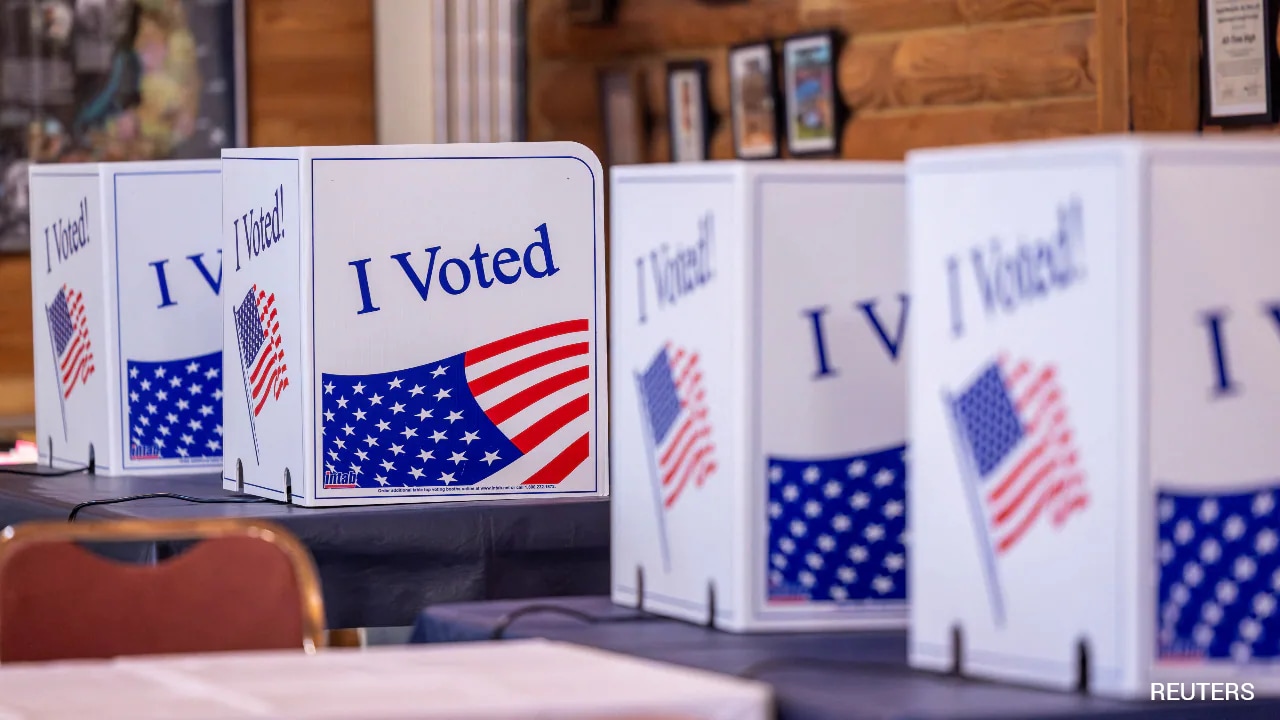
General Dan Caine, Chairman of the Joint Chiefs of Staff, has confirmed that federal military personnel will not be stationed at polling places, easing fears of electoral interference.
- No federal military personnel will be deployed to polling sites for the 2026 elections.
- Federalized National Guard members are also excluded from any deployment plans.
- The announcement aims to maintain the strict separation between military force and democratic voting.
In a decisive move to maintain institutional neutrality, Gen. Dan Caine, Chairman of the Joint Chiefs of Staff, has officially stated that the Joint Force has no plans to deploy Federal military personnel or Federalized members of the National Guard to polling places during the upcoming 2026 elections. This statement serves as a critical clarification during a period of heightened political tension in the United States.
The announcement comes amid growing anxiety within the Democratic Party and various civil rights organizations. There have been persistent concerns that the administration might attempt to leverage military presence to influence voter turnout or meddle in the midterm polling process, potentially leading to voter intimidation or systemic disruption.
Why This Matters
BozokMedia analysis shows that the explicit denial of military deployment is a strategic move to prevent a breakdown in public trust. In an era of deep polarization, the mere suggestion of military involvement in elections could trigger widespread protests or legal challenges. By drawing a hard line, the military leadership is reinforcing the principle of civilian control over the military.
"Maintaining a clear boundary between the barracks and the ballot box is essential for the survival of any functioning republic."
From a historical perspective, the U.S. has long adhered to the Posse Comitatus Act, which generally prohibits the use of federal military personnel to enforce domestic policies. While state governors can mobilize the National Guard under state control, the 'federalization' of these troops—bringing them under the command of the President—is a far more severe action that Gen. Caine has explicitly ruled out for the polling sites.
This development shifts the responsibility of election security entirely onto state-level law enforcement and local election officials, who must now ensure safety without the backup of federal combat troops.
Frequently Asked Questions
Q1: Will there be any military presence at all?
A: Federal troops and federalized National Guard members will not be present. However, state-controlled National Guard units may still be deployed by governors for general public safety.
Q2: Why was this announcement made now?
A: To quell growing fears of election meddling and to ensure that the public views the 2026 elections as a purely civilian process.