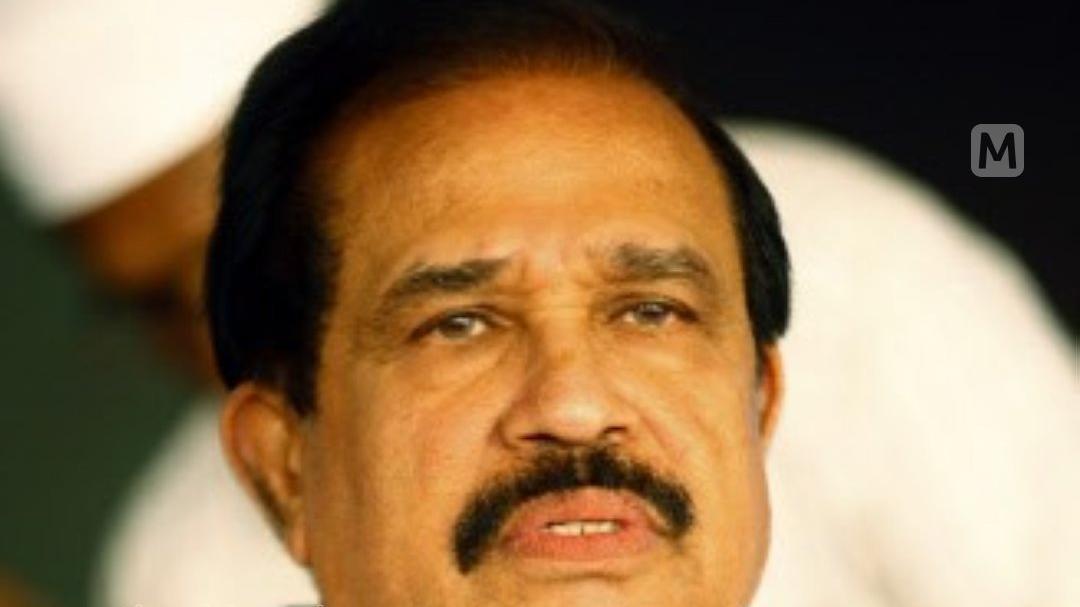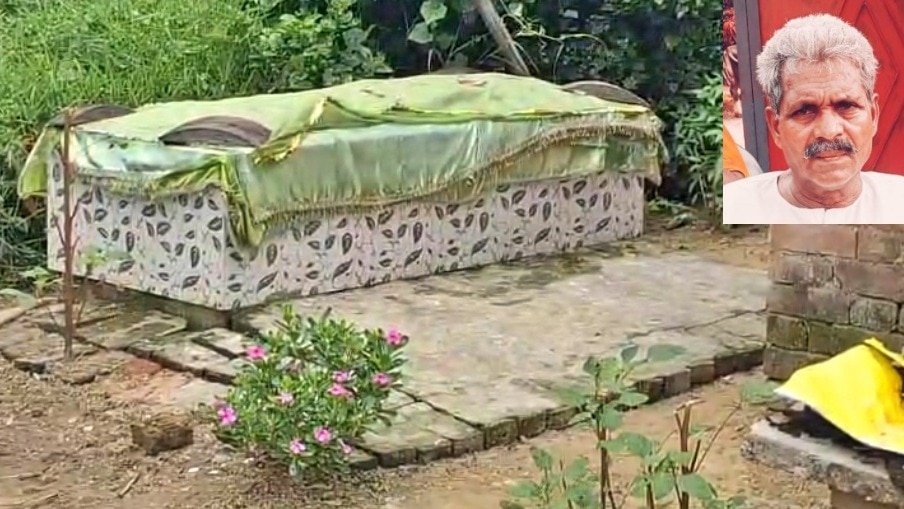
In Deoria, Uttar Pradesh, the body of Dalit activist Mohan Prasad was buried according to Muslim customs, sparking a fresh wave of caste‑religion tension. This report examines the reasons behind the decision, local reactions and its wider implications for Indian society.
- Mohan Prasad’s body was buried after a Muslim Janazah prayer.
- Dalit and Muslim groups clashed over the decision, leading to protests.
- The case raises questions about legal rights versus communal harmony.
What Actually Happened
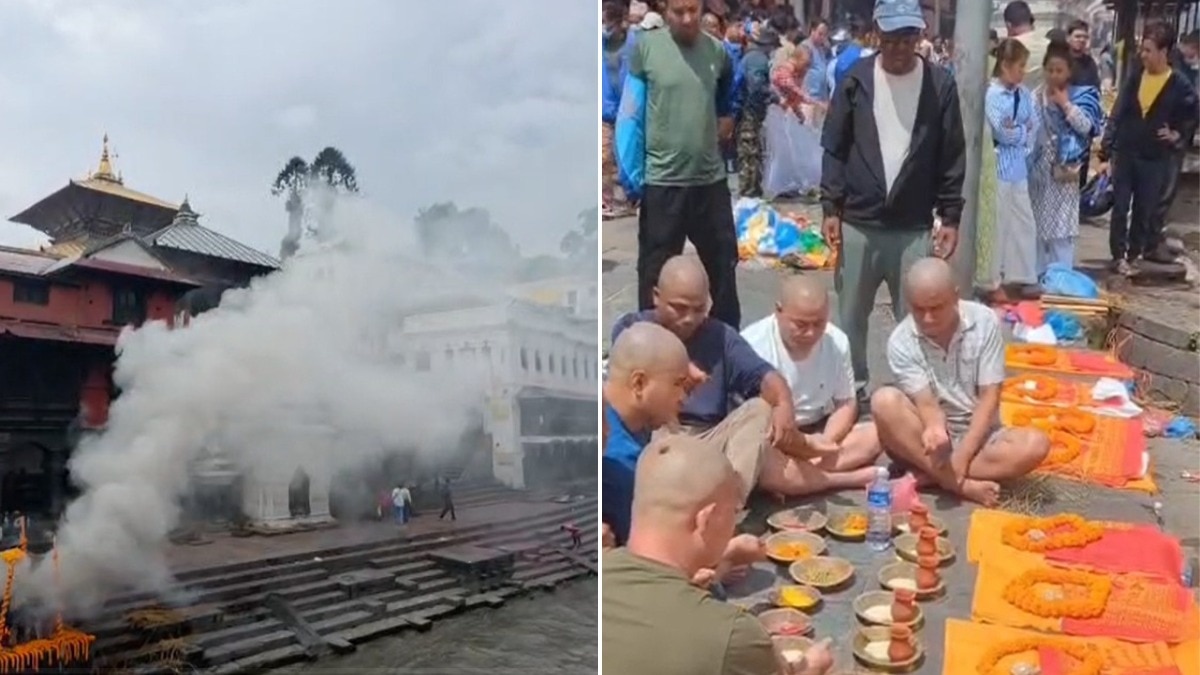
On October 2, Dalit social worker Mohan Prasad died suddenly in Deoria district, Uttar Pradesh. While his family initially planned a Hindu funeral, local authorities ordered a Muslim Janazah (funeral prayer) and the body was interred according to Islamic rites.
Local Reaction and Protests
Dalit organisations labeled the move a “religious interference” and an insult to the community, whereas some Muslim leaders hailed it as a gesture of inter‑communal harmony. The disagreement quickly escalated, prompting police deployment to manage crowds.
Legal Angles
Under Indian law, the deceased’s funeral should follow the religion of the deceased or the wishes of the family, as per the Registration of Births and Deaths Act. Legal experts have called the administration’s order “questionable,” arguing it violates personal religious rights.
Historical Background
India’s history is riddled with caste‑religion flashpoints. The 1990s witnessed several Dalit‑Muslim clashes across the country. Deoria’s latest incident revives old grievances and adds a new layer to the complex social fabric.
"Community rights cannot be ignored without jeopardising social cohesion," noted a senior constitutional law scholar.
Why This Matters
BozokMedia analysis shows that such religious‑political entanglements can sway electoral dynamics, especially in states like Uttar Pradesh where caste and religion are pivotal vote‑bank factors.
Frequently Asked Questions
Q1: Can the family challenge the decision legally?
A: Yes, a petition has already been filed in the High Court seeking a reversal.
Q2: What could be the long‑term impact on community relations?
A: Analysts warn that without a conciliatory resolution, tensions may deepen, potentially leading to communal unrest.