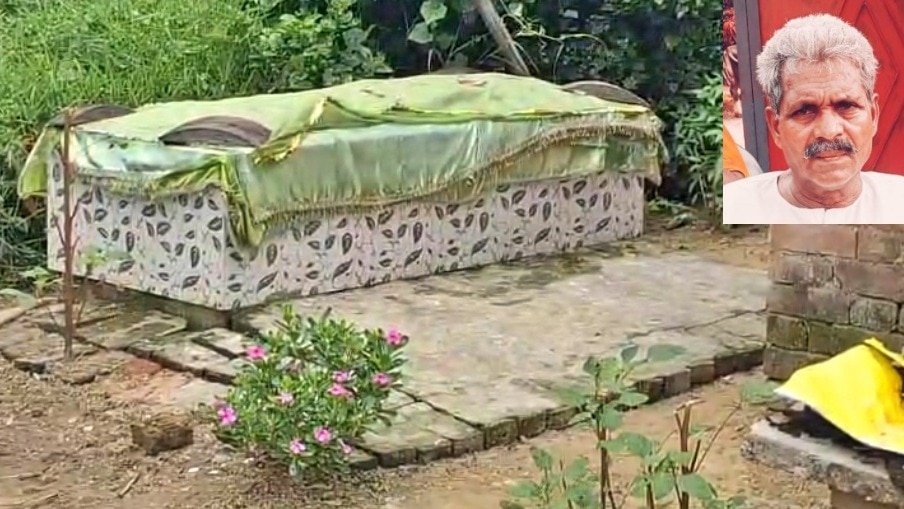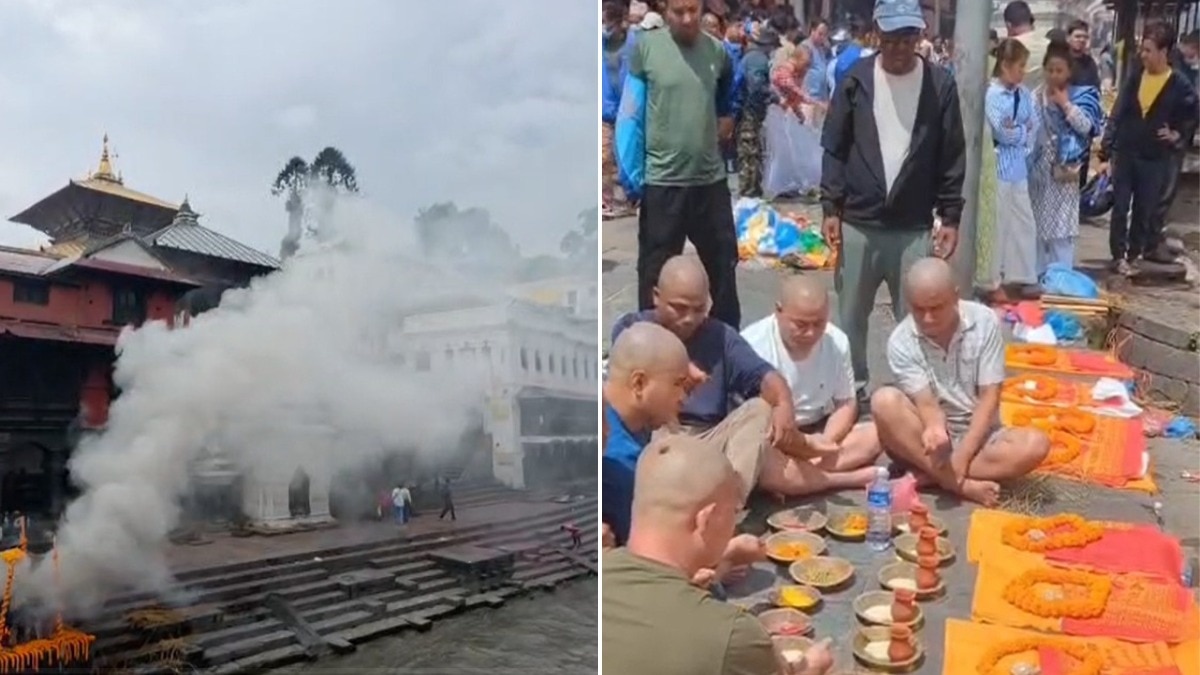
The recent floods in Nepal left thousands without their loved ones. With no bodies recovered, families crafted symbolic corpses from grass and held a collective funeral at Pashupati Aryaghat.
- Floods damaged 7,570 homes; 1,253 were completely destroyed.
- Families built symbolic bodies from grass and performed a mass funeral.
- Infrastructure losses amount to billions of rupees across roads, bridges, and water supply.
Severe Floods and Human Crisis
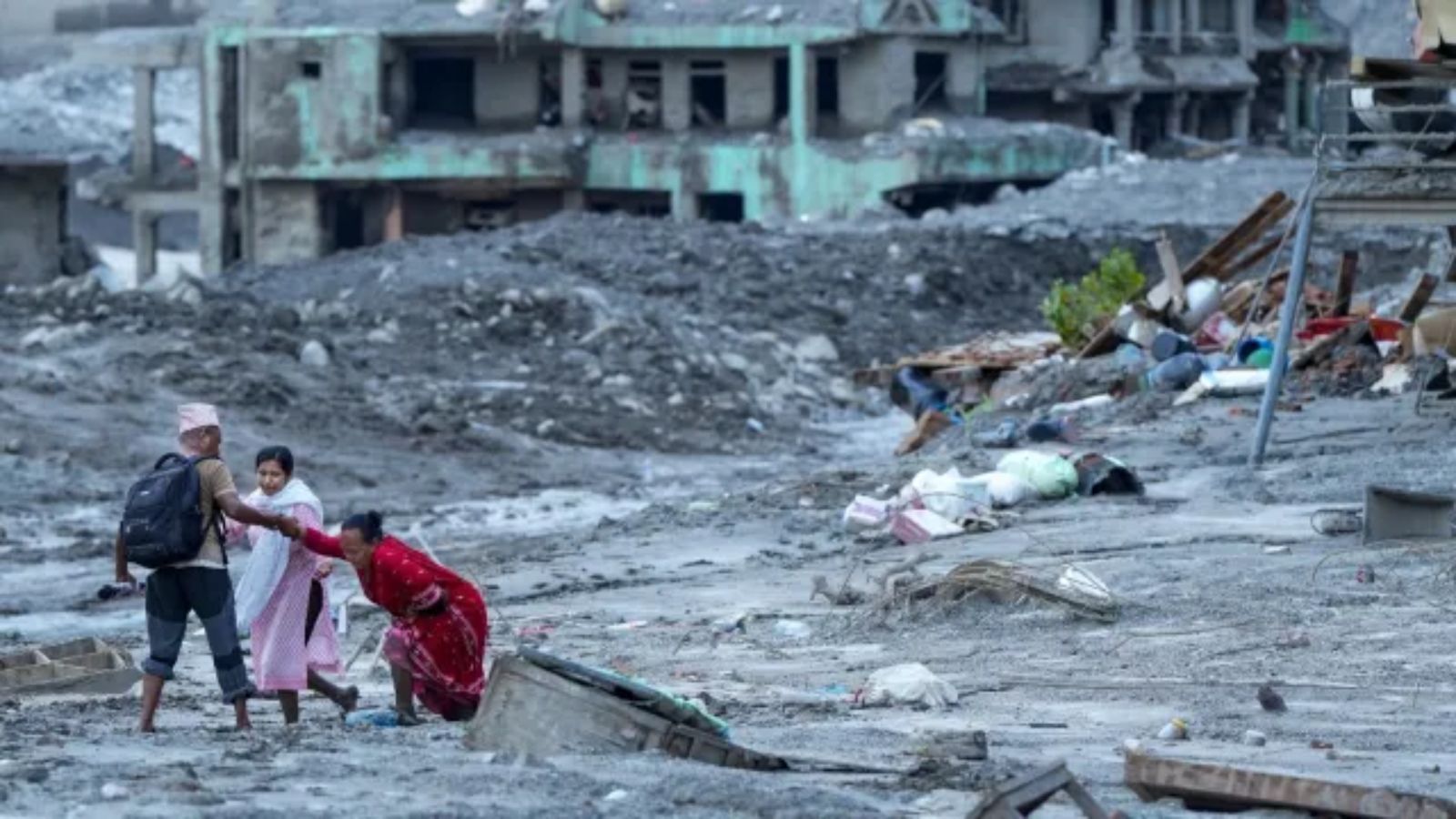
In September 2026, unprecedented monsoon rains swamped the districts of Rasuwa, Nuwakot, Dhading, Gorkha and Chitwan, damaging 7,570 homes, including 1,253 that collapsed entirely. With no bodies recovered, families faced a painful void and clung to hope for weeks.
After a week of silence, desperation forced a unique response: creating symbolic corpses from kus grass to give the missing a dignified farewell.
Grass‑Made Symbolic Corpses
At Pashupati Aryaghat, families laid the grass‑shaped figures on funeral pyres, chanting prayers as if they were real. Each family mourned a husband, a son, a brother, or parents they never got to see again, turning grief into a collective act of closure.
The emotional scene underscored the deep cultural trauma caused by the disaster, highlighting both loss and resilience.
Economic and Infrastructure Damage
The Urban Development and Building Construction Department estimates property losses at roughly ₹17 billion, with 45 government buildings suffering about ₹4.5 billion in damage. Roads, bridges, and water supply networks were also severely affected, complicating relief efforts.
Historical Background
Nepal’s flood history is marked by major events in 2014 and 2017, each displacing millions and causing extensive damage. Accelerated glacial melt and erratic monsoon patterns linked to climate change have increased both the frequency and intensity of such disasters.
Why This Matters
BozokMedia analysis shows that the symbolic mass funeral highlights a deep cultural coping mechanism in the face of climate‑induced disasters, underscoring the urgent need for robust disaster‑management policies in the Himalayan region.
"Creating symbolic bodies provides a vital psychological outlet, fostering community solidarity during catastrophic loss," says Dr. Sita Sharma, social scientist.
Frequently Asked Questions
Question 1: What steps is the government taking to prevent similar floods?
Answer: Nepal’s government has pledged to upgrade climate‑resilient infrastructure and strengthen early‑warning systems across vulnerable river basins.
Question 2: How can flood‑affected families access financial assistance?
Answer: Victims can apply for aid through the National Disaster Relief Fund, international NGOs, and local volunteer groups providing cash and material support.