Kerala Chief Minister V.D. Satheesan labeled cleric Kanthapuram’s call for women to stay at home as a 19th‑century mindset. The comment sparked a statewide debate on gender equality and political accountability.
- Kerala CM rejects Kanthapuram’s restrictive remarks on women.
- The statement is branded as outdated and patriarchal.
- Political parties have taken divergent stances on the issue.
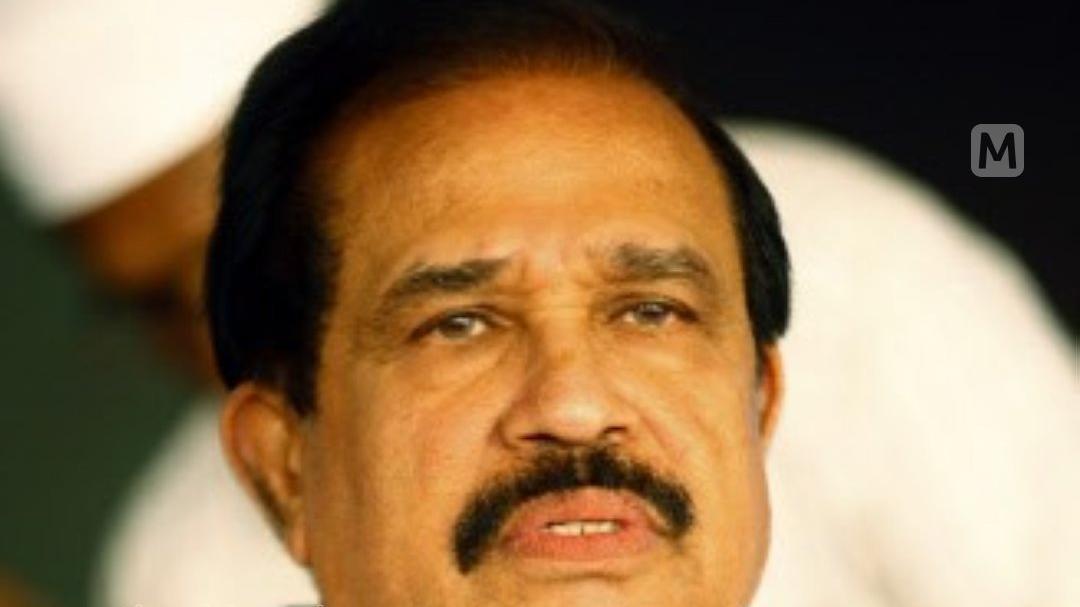
Kerala Chief Minister V.D. Satheesan on Monday denounced cleric Kanthapuram A.P. Aboobacker Musliyar for saying women should remain confined to their homes, calling the view a relic of the 19th century. Satheesan emphasized that today’s Kerala is “modern, egalitarian and committed to women’s rights.”
Kanthapuram made the controversial remark during a public gathering, asserting that women are “unsuitable for the modern Kerala” and should focus on household duties. The comment ignited swift backlash from civil society and opposition parties.
The Indian Union Muslim League (IUML) attempted to contextualize the cleric’s words, suggesting they stemmed from concerns about women’s safety. In contrast, the CPI(M) and Satheesan dismissed the justification as an attempt to revive “old‑fashioned patriarchy.”
Historical Background: Kerala has long been a pioneer in women’s education, health, and workforce participation in India. Since the 1990s, the state has consistently outperformed national averages on gender‑development indices, making the cleric’s statement appear out of step with the state’s progressive trajectory.
Why This Matters
BozokMedia analysis shows that such regressive statements can fuel gender‑based discrimination and undermine decades of progress in Kerala’s gender‑equality indices, potentially influencing policy debates at both state and national levels.
"When a public figure resurrects 19th‑century gender norms, it not only deepens social inequality but also threatens democratic values," said sociologist Dr. Rajneesh Kumar.
Frequently Asked Questions
Q1: Has any legal action been taken against Kanthapuram’s remarks?
A: No formal legal proceedings have been initiated yet, though several civil rights groups are calling for judicial review.
Q2: How is the controversy affecting Kerala’s political landscape?
A: The issue has become a rallying point in upcoming elections, with opposition parties using it to question the ruling coalition’s commitment to gender equality.