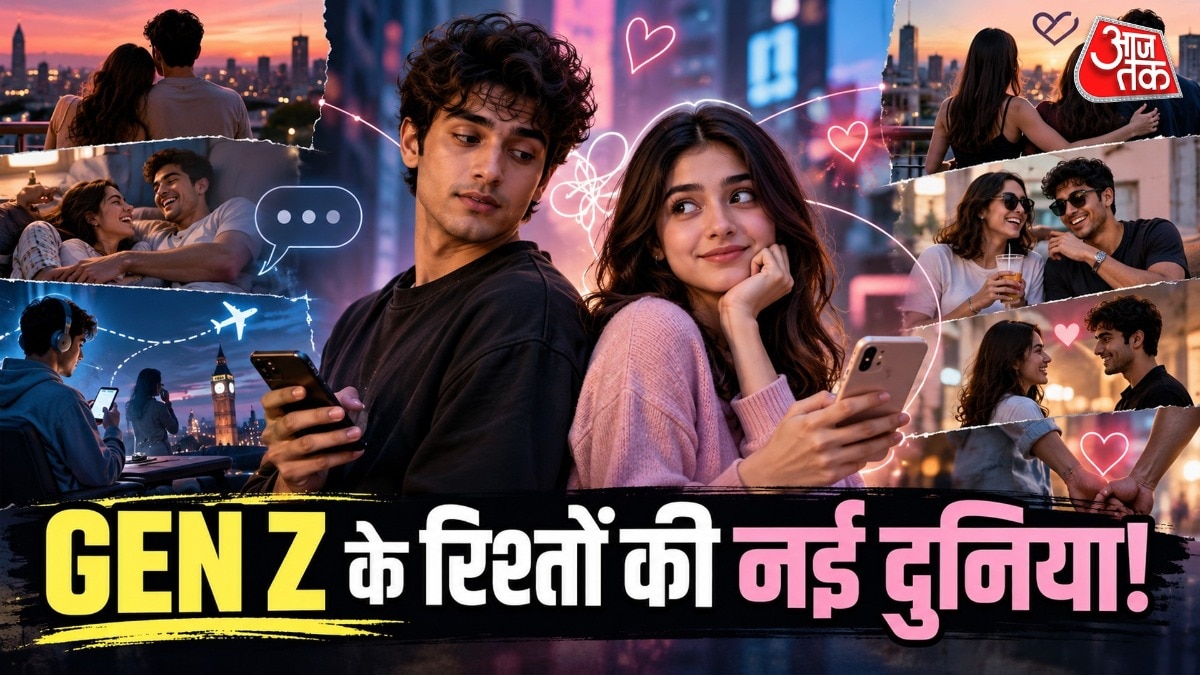
Generation Z is rewriting the rulebook of love. From 'situationships' to 'talking stages,' the youth are moving away from traditional labels toward more fluid and personalized relationship structures.
- Gen-Z prioritizes flexibility and personal autonomy over traditional relationship labels.
- Terms like 'Situationship' and 'Talking Stage' have become mainstream in modern dating.
- Digital connectivity and career-centric mindsets are driving the shift toward low-commitment bonds.
The conceptualization of romantic partnerships is undergoing a seismic shift. While previous generations relied on a linear progression from friendship to dating and eventually marriage, Generation Z is embracing a spectrum of relationship models. These new dynamics often blend emotional intimacy with a desire for independence, challenging the conventional 'boyfriend-girlfriend' binary.
The Spectrum of Modern Dating
Modern dating is no longer a one-size-fits-all experience. The following table breaks down the nuances of these evolving dynamics:
| Relationship Type | Core Characteristic | Commitment Level |
|---|---|---|
| Situationship | More than friends, less than partners | Ambiguous |
| Talking Stage | Initial phase of mutual interest | Low |
| Exclusive Dating | Committed to one person, no marriage promise | Medium to High |
| Casual Dating | Low-pressure exploration without future plans | Very Low |
The Situationship: Perhaps the most discussed term of the decade, a situationship occurs when two people share romantic and physical intimacy without explicitly defining their status. It offers the perks of a relationship without the perceived burden of official obligations.
The Talking Stage: This serves as the 'probationary period' of modern romance. It involves constant communication via text and calls to assess compatibility. It is a critical filter used by Gen-Z to ensure emotional alignment before escalating the bond.
FWB and Open Relationships: 'Friends with Benefits' focuses on physical intimacy within a platonic friendship, while 'Open Relationships' allow partners to explore other romantic interests by mutual consent. The cornerstone of these arrangements is rigorous communication and established boundaries.
Why This Matters
BozokMedia analysis shows that this shift is a byproduct of the 'Paradox of Choice' created by dating apps. With endless options at their fingertips, Gen-Z is more cautious about committing too early. Furthermore, there is a heightened emphasis on mental health and 'healing' before entering a partnership, leading to a preference for slower, less restrictive transitions.
"The move toward fluid relationship labels reflects a broader societal shift toward individualism and emotional transparency over social conformity."
Long-Distance and Exclusivity: While Long-Distance Relationships (LDRs) are not new, they have been optimized through high-speed internet and social media. Meanwhile, 'Exclusive Dating' acts as a bridge—a commitment to not see others, while still maintaining the freedom to evolve at one's own pace.
Frequently Asked Questions
Q1: What is the difference between a situationship and casual dating?
A: Casual dating is often about exploration and can involve multiple people. A situationship usually involves a deeper emotional bond with one person, but lacks a formal title.
Q2: Are these new relationship models sustainable?
A: They can be, provided there is total transparency. However, when expectations are mismatched, these 'undefined' spaces often lead to emotional distress.