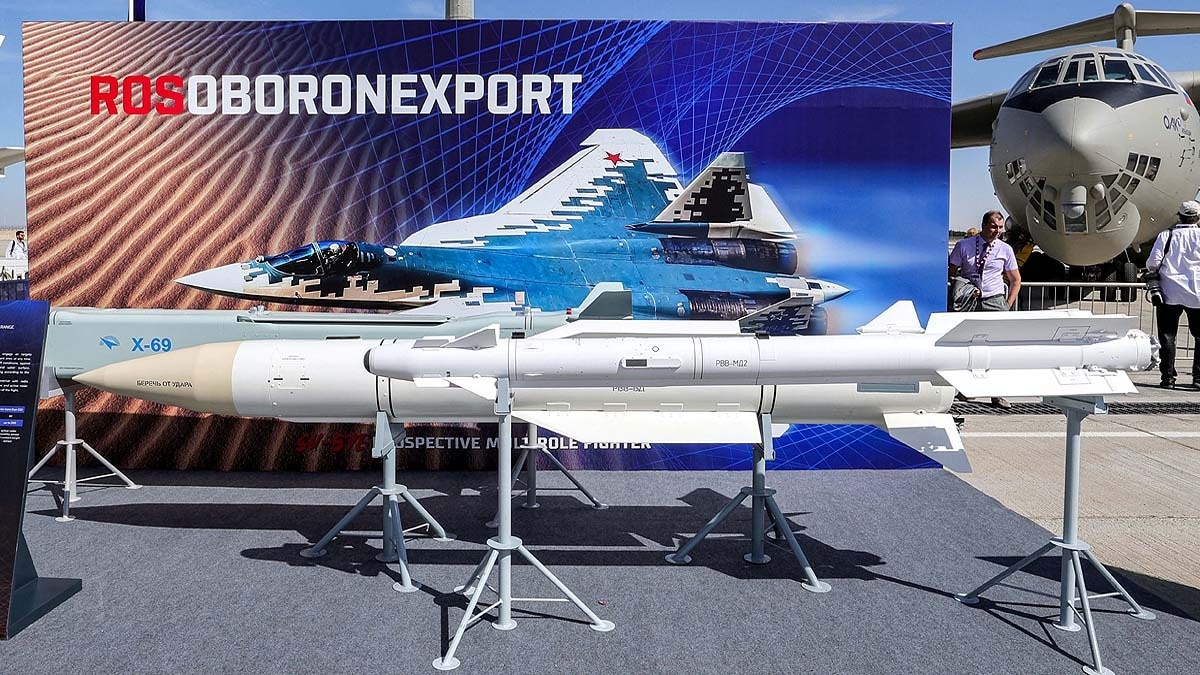
The Indian Air Force is exploring the acquisition of next-generation AWACS aircraft to bolster its aerial surveillance and strategic command capabilities.
- IAF is planning to upgrade its Airborne Warning and Control System (AWACS) for better surveillance.
- The move is aimed at countering the growing aerial threats from China and Pakistan.
- New systems will provide enhanced detection of stealth aircraft and UAVs.
The Indian Air Force (IAF) is poised to significantly upgrade its strategic aerial capabilities. According to defense sources, India is evaluating the procurement of advanced AWACS (Airborne Warning and Control System) aircraft, often referred to as 'Eyes in the Sky.' These aircraft serve as airborne command-and-control centers, coordinating fighter jets and monitoring vast areas of airspace.
Currently, India operates a fleet of AWACS developed with Israeli and Russian collaboration. However, given the evolution of electronic warfare and China's rapid modernization of its air force, the need for next-generation radar technology has become critical. These new systems will allow India to peer deeper into enemy territory, ensuring a proactive defense posture.
Why This Matters
BozokMedia analysis shows that the induction of next-gen AWACS will create a 'force multiplier' effect. By integrating these with the Rafale and Tejas fleets, India can establish complete air superiority over the Line of Actual Control (LAC) and the International Border (IB). This reduces the reliance on ground-based radars which are often limited by terrain.
"The ability to detect stealth aircraft and drones at long ranges is the ultimate game-changer in modern aerial warfare."
Historically, AWACS have proven decisive in conflicts like the Gulf War, providing a tactical advantage by identifying enemy movements long before they reach their targets. For India, this is paramount as China deploys advanced J-20 stealth fighters along the border. An upgraded AWACS network will drastically reduce reaction times for the IAF.
Beyond the technical advantages, this move sends a strong strategic signal to adversaries. When an opponent knows that their every movement is being tracked in real-time, their appetite for aggressive maneuvers is significantly diminished, thereby enhancing regional deterrence.
Frequently Asked Questions
Q1: What exactly is AWACS?
A: It is an Airborne Warning and Control System that uses high-powered radar to detect aircraft, ships, and vehicles at long ranges.
Q2: How does this affect regional security?
A: It increases India's situational awareness, making it nearly impossible for enemy aircraft to enter Indian airspace undetected.