Following a probe into the death of an autorickshaw driver, the Kerala Transport Department is replacing manual fitness registers with a comprehensive digital system to ensure transparency and accountability.
- Manual registers for vehicle fitness inspections will be replaced by a fully digital system.
- Introduction of unique digital inspection IDs and mandatory photo/video uploads for identified defects.
- The move follows procedural lapses identified after the death of an auto driver in Malappuram.
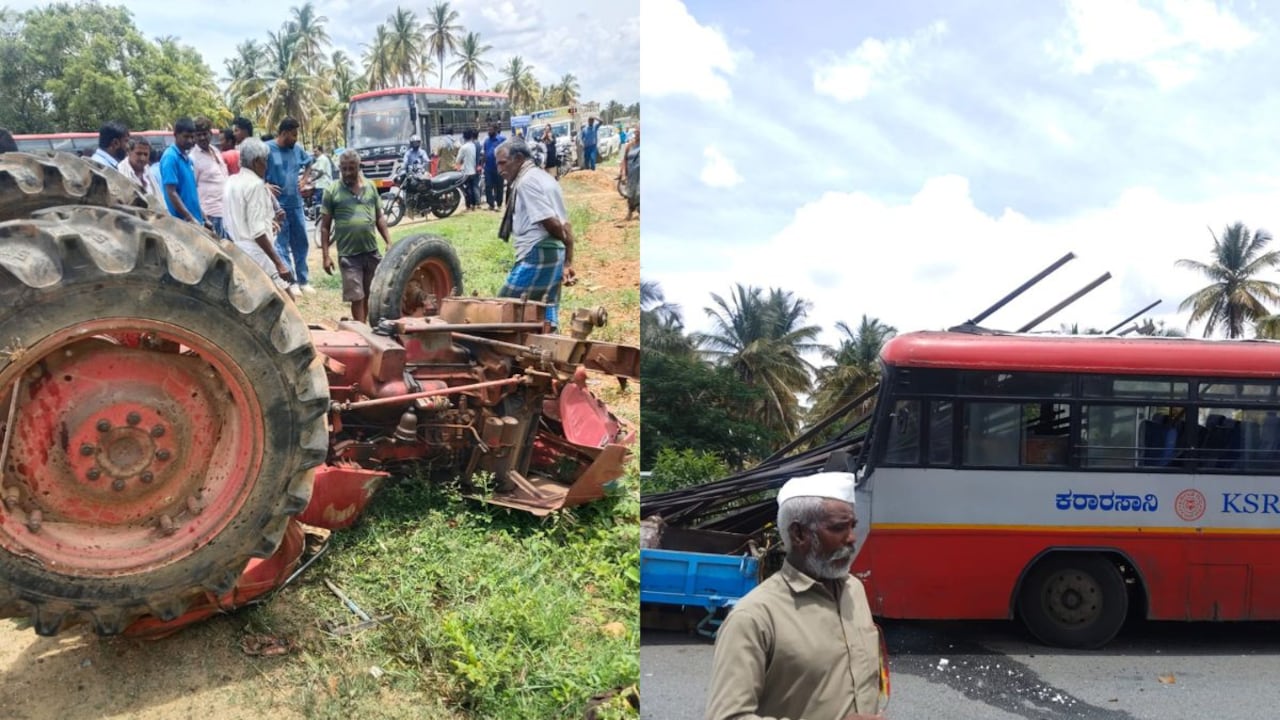
The Kerala Transport Department has announced a strategic shift toward the digitization of vehicle fitness inspections. This decision marks the end of the era of manual registers, moving toward a transparent, tech-driven approach to ensure road safety and administrative integrity. The catalyst for this overhaul was a high-level inquiry into the death of an autorickshaw driver, which revealed systemic procedural gaps within the Motor Vehicles Department (MVD).
The tragedy involving Shoukath Ali, an auto driver from Malappuram, sparked allegations of corruption and bureaucratic delays. While the subsequent inquiry cleared the inspecting officer of bribery charges, it highlighted a critical failure in adhering to the Kerala Motor Vehicles Rules, 1989. Specifically, the officer failed to record the reasons for fitness rejection in the Certificate of Fitness Rejection Report (CFRR), leaving the applicant in a state of uncertainty.
BozokMedia analysis shows that this transition is a direct response to the 'opacity' of manual governance. By removing the human element from record-keeping, the government is effectively cutting the lifeline of middlemen who thrive on procedural ambiguity. This is a blueprint for how digital auditing can prevent administrative negligence from escalating into human tragedies.
Digital transformation in public service is not just about efficiency; it is about creating an immutable audit trail that ensures no official is above the law.
Transport Minister C.P. John has taken a stern stance, ordering the Transport Secretary to seek a formal explanation from the concerned officer, Assistant Motor Vehicles Inspector N. Premkumar. The investigation revealed that while the vehicle had illegal structural modifications, the failure to document this rejection in the CFRR constituted a serious breach of Rule 110.
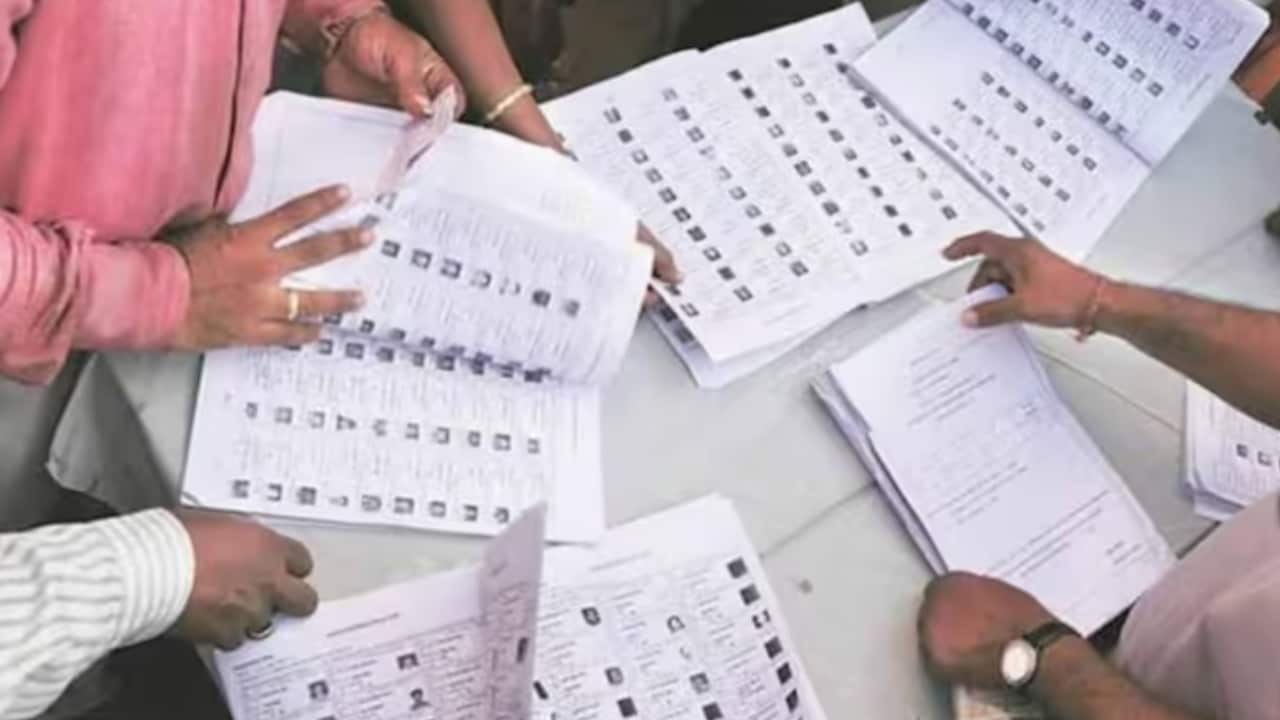
The new digital framework will be comprehensive. It will include unique digital inspection IDs for every vehicle, officer-specific logins, and a digital checklist of defects. Most importantly, officers will be required to upload photographic or video evidence of every defect identified, leaving no room for subjective or biased reporting.
| Feature | Old System (Manual) | New System (Digital) |
|---|---|---|
| Record Maintenance | Paper Registers | Digital Database/ID |
| Evidence of Defects | Written Notes | Photo & Video Uploads |
| Applicant Notification | Physical Visit/Call | SMS, WhatsApp, Online |
| Re-inspection Booking | Manual Scheduling | Online Facility |
Further enhancements include the integration of QR codes for real-time tracking and a streamlined online facility for scheduling re-inspections. By automating notifications and authenticating inspecting officers digitally, the MVD aims to strengthen internal vigilance and eliminate the influence of unauthorized agents.
1. How will the digital system benefit the average vehicle owner?
Owners will no longer need to visit offices for status updates. They will receive instant notifications via WhatsApp/SMS and can book re-inspection slots online, reducing time and effort.
2. Will this system actually stop corruption?
Yes, by mandating visual evidence (photos/videos) for every defect and creating a digital trail, it becomes nearly impossible for officers to arbitrarily fail a vehicle or demand bribes for clearance.