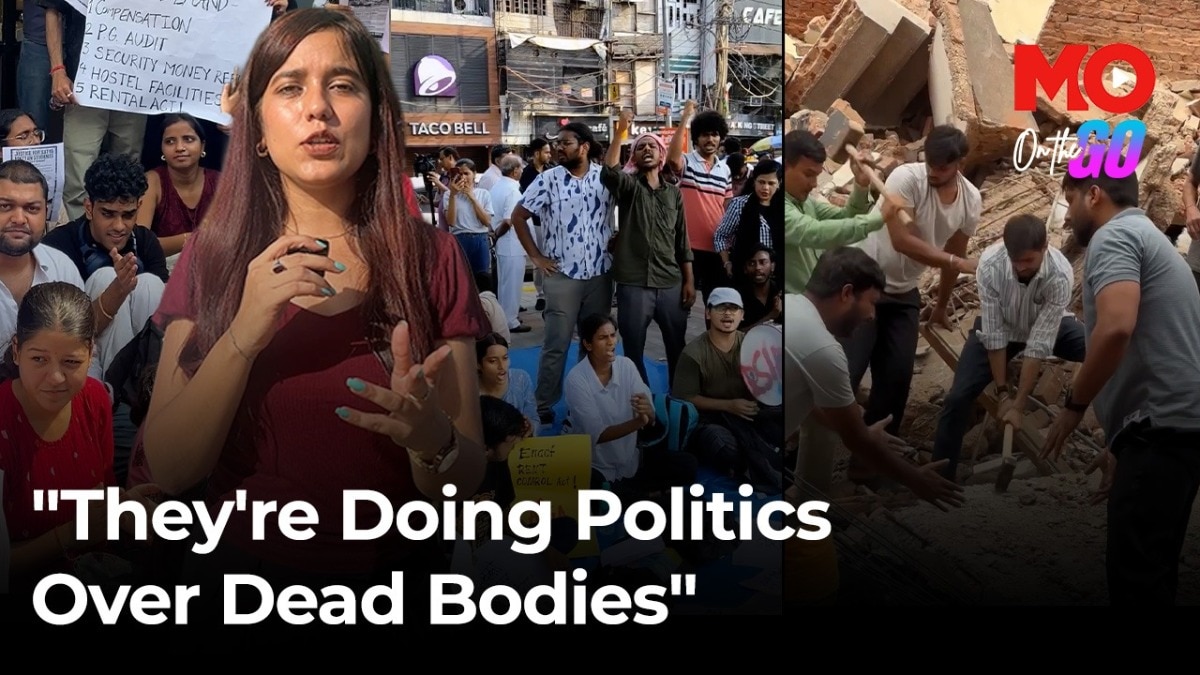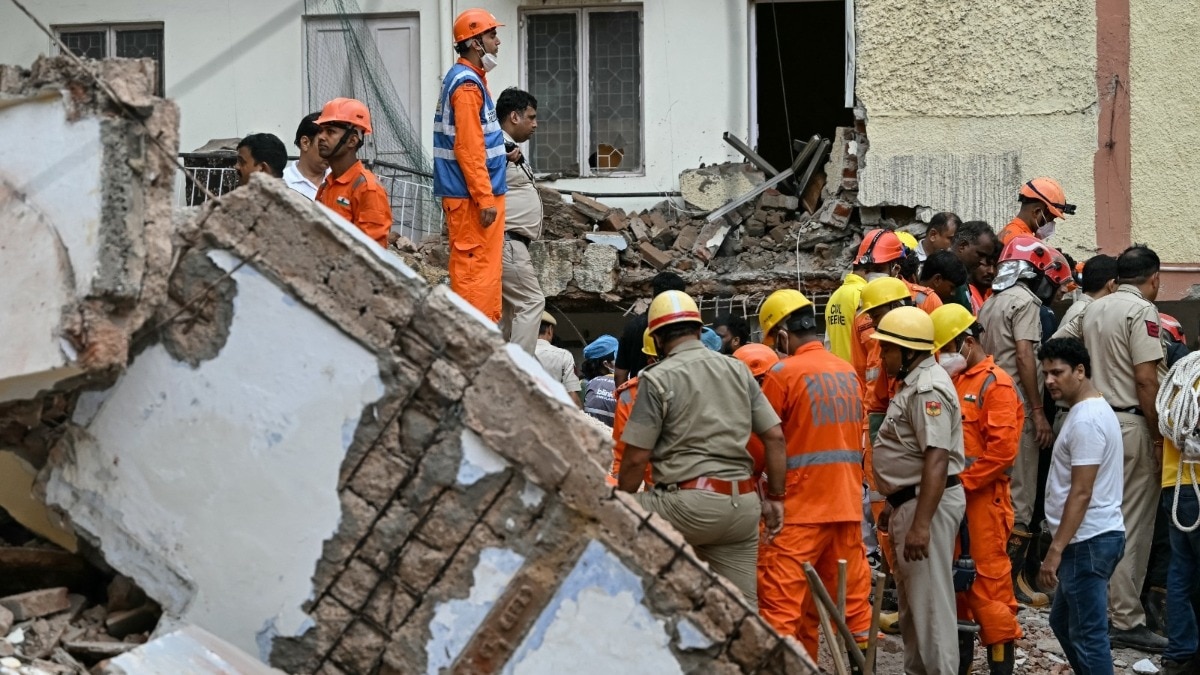
Following the tragic Satya Niketan building collapse that claimed seven lives, the Supreme Court has stepped in to monitor safety violations in Delhi's student housing and illegal land-use conversions.
- Supreme Court to oversee safety standards of PGs and private hostels in Delhi.
- Focus on illegal constructions and non-conforming commercial use of residential land.
- Amicus Curiae recommends time-bound safety audits for all student housings.
- Delhi High Court to continue monitoring the specific Satya Niketan case.
In a significant move to ensure the safety of thousands of students, the Supreme Court on Thursday announced it would examine systemic safety violations in Delhi’s residential areas. This decision follows the devastating building collapse in Satya Niketan, which resulted in seven fatalities, highlighting the precarious state of student accommodations in the capital.
A bench comprising Justices Ahsanuddin Amanullah and R Mahadevan, while reviewing a report by amicus curiae Ajit Sinha, stated that it would monitor the larger issue of non-conforming land use. The court is particularly concerned with the trend of converting residential properties into commercial PG (Paying Guest) accommodations without necessary structural upgrades or permissions.
Mandatory Safety Audits for Student Housing
The amicus report has urged for a comprehensive, time-bound safety inspection of all PG accommodations, private hostels, and student housing facilities located near universities and colleges. The proposed audits are designed to be rigorous, covering critical aspects such as original building plans, construction quality, basement stability, and overall structural integrity.
Furthermore, the report emphasized the need for strict checks on fire safety measures and the availability of clear access routes for emergencies. Sinha suggested that municipal authorities should conduct a wide-scale survey of all buildings housing PGs and coaching centers, submitting a detailed report within a week. He further suggested extending this model to other cities like Lucknow.
Why This Matters
BozokMedia analysis shows that the proliferation of unregulated PGs in Delhi is a direct result of the housing crisis facing students. However, the 'commercialization of residential zones' has led to structural overloading. When buildings designed for a single family are packed with 20-30 students and commercial utilities, the risk of catastrophic failure increases exponentially. This judicial intervention is a necessary step toward urban accountability.
"The collapse of buildings in urban hubs is rarely an accident; it is usually the result of systemic regulatory failure and the prioritization of profit over human life."
Solicitor General Tushar Mehta, representing the Delhi government and the Municipal Corporation of Delhi (MCD), expressed full support for the recommendations. The court noted that the government's cooperation is vital, stating, "We are on the same side," emphasizing that the goal is public safety rather than adversarial litigation.
Regarding the legal proceedings, the Supreme Court declined to transfer the ongoing Satya Niketan case from the Delhi High Court. The bench clarified that it did not wish to disturb the existing process, directing the High Court to bring the specific case to a conclusion while the apex court monitors the broader policy and safety issues.
| Audit Parameter | Key Focus Area |
|---|---|
| Structural Strength | Building plans and load-bearing capacity |
| Fire Safety | Extinguishers, alarms, and emergency exits |
| Land Use | Zoning permits (Residential vs. Commercial) |
Frequently Asked Questions
1. What is the Supreme Court monitoring in Delhi?
The Court is monitoring the safety of PGs, private hostels, and the illegal use of residential land for commercial purposes.
2. What triggered this judicial intervention?
The intervention was triggered by a building collapse in Satya Niketan that killed seven people.