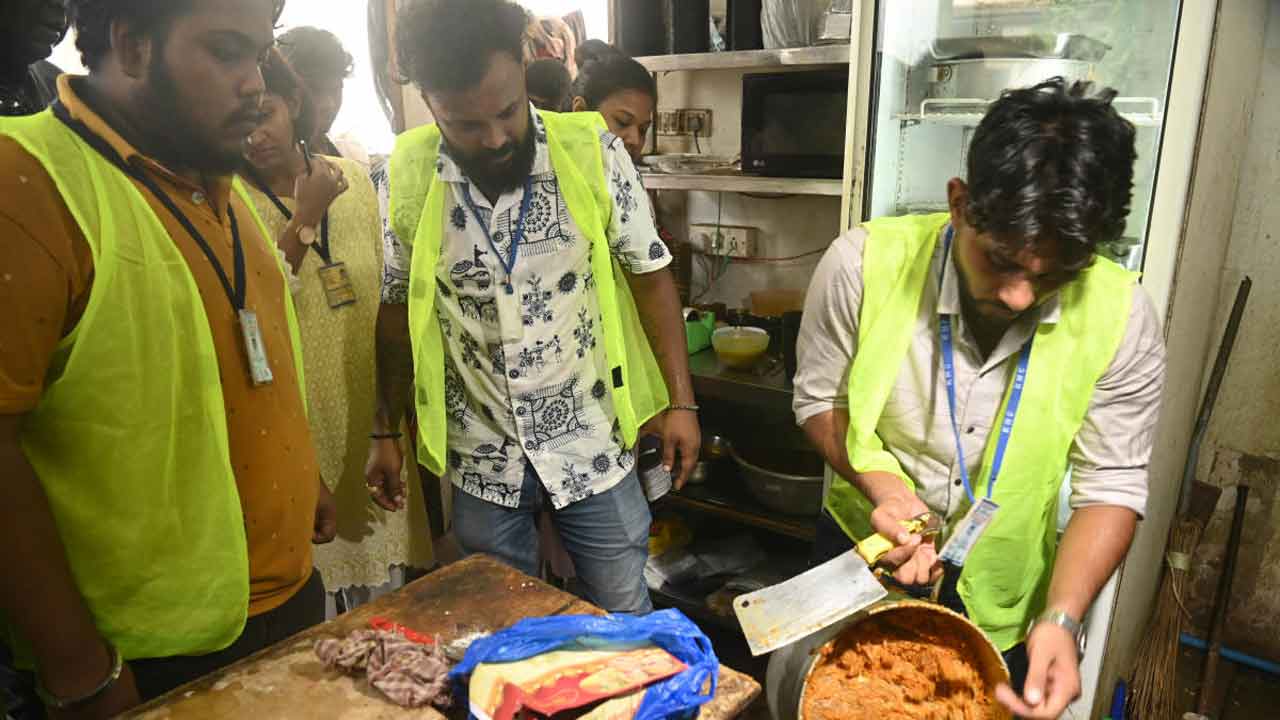
FDA Chief Tukaram Mundhe has declared that no religion will receive a pass regarding food safety standards, ensuring that places of worship are held accountable for public health.
- Food safety compliance is now mandatory for all religious institutions.
- FDA Chief Tukaram Mundhe emphasizes a 'no-exception' policy.
- Focus on preventing food-borne illnesses during mass community feedings.
In a decisive statement, the Food and Drug Administration (FDA) chief, Tukaram Mundhe, has asserted that food safety regulations are absolute and apply to everyone. He explicitly stated, "No religion gets a pass," making it clear that places of worship must adhere to the same hygiene and safety protocols as any other food-handling entity.
The move comes in response to growing concerns over the hygiene standards maintained during large-scale community meals, such as langars or bhandaras, which are common in various religious traditions. By removing the implicit exemption often granted to religious sites, the FDA aims to safeguard the health of thousands of devotees.
Why This Matters
BozokMedia analysis shows that this directive is a critical step toward institutionalizing public health safety. By dismantling the 'sacred exemption,' the FDA is treating food safety as a fundamental human right, ensuring that faith does not become a loophole for negligence in sanitation.
"When food is served to the masses, the biological risk remains the same regardless of the spiritual nature of the venue."
Historically, administrative bodies have been hesitant to conduct raids or inspections at religious sites to avoid communal friction. However, the rise in food poisoning cases during festive seasons has necessitated a more rigorous approach. Mundhe's stance signals a transition toward a more transparent and strict regulatory environment.
This policy shift is expected to force religious trusts and temple boards to upgrade their kitchen infrastructure and train staff in basic food handling. The FDA's intent is not to interfere with faith, but to ensure that the act of serving food remains a gesture of care, not a health hazard.
Frequently Asked Questions
Q1: Does this apply to small home-based prayers?
No, the focus is primarily on institutions and places of worship that serve food to the general public on a large scale.
Q2: What are the potential penalties for non-compliance?
Violators may face warnings, fines, or orders to shut down kitchens until safety standards are met.