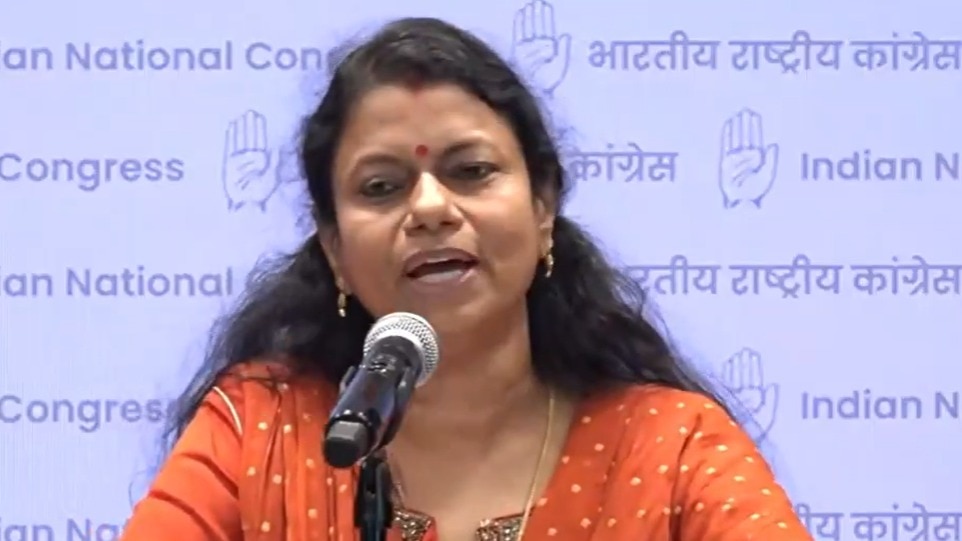
In a stark display of linguistic protest, women MLAs from Kerala walked out of a National Commission for Women (NCW) workshop, citing the exclusion of non-Hindi speakers in the sessions.
- Kerala women MLAs protested against Hindi-only sessions at an NCW workshop.
- The walkout highlights ongoing tensions regarding linguistic inclusivity in national forums.
- MP Shashi Tharoor expressed his views on the necessity of multilingualism.
A workshop organized by the National Commission for Women (NCW) in New Delhi took a contentious turn when women MLAs from Kerala staged a walkout. The protest was triggered by the decision to conduct the sessions exclusively in Hindi, which the representatives argued marginalized participants from non-Hindi speaking states.
The legislators expressed their disappointment, stating that for a national-level event intended to empower women across the country, the lack of English or regional language translation was a significant oversight. They emphasized that effective communication is key to policy-making and legislative collaboration.
Why This Matters
BozokMedia analysis shows that this incident underscores a recurring friction point in Indian federalism: the balance between a national link language and the preservation of regional identities. When national bodies adopt a monolingual approach, it risks alienating Southern states, potentially turning administrative sessions into political battlegrounds over cultural identity.
"True national integration is achieved not through linguistic uniformity, but through the respectful accommodation of diversity."
Reacting to the development, Member of Parliament Shashi Tharoor highlighted the importance of linguistic sensitivity. Tharoor pointed out that in a country as diverse as India, enforcing a single language at national gatherings can be counterproductive and exclusionary.
Historically, the 'language war' in India has seen various peaks, particularly in Tamil Nadu and Kerala, where movements against the perceived imposition of Hindi have been strong. This recent walkout is a modern manifestation of that long-standing sentiment, reminding the center that linguistic inclusivity is non-negotiable for many.
Language Policy Comparison
| Approach | Primary Goal | Potential Impact |
|---|---|---|
| Monolingual (Hindi) | Administrative Uniformity | Alienation of non-Hindi speakers |
| Multilingual Approach | Inclusivity and Accessibility | Strengthened National Unity |
Frequently Asked Questions
Q1: Why did the Kerala women MLAs walk out of the NCW workshop?
A: They protested the conduct of sessions exclusively in Hindi, which hindered their ability to participate and contribute effectively.
Q2: What was Shashi Tharoor's reaction to the incident?
A: Shashi Tharoor advocated for linguistic inclusivity and stressed that national platforms must respect India's multilingual nature.