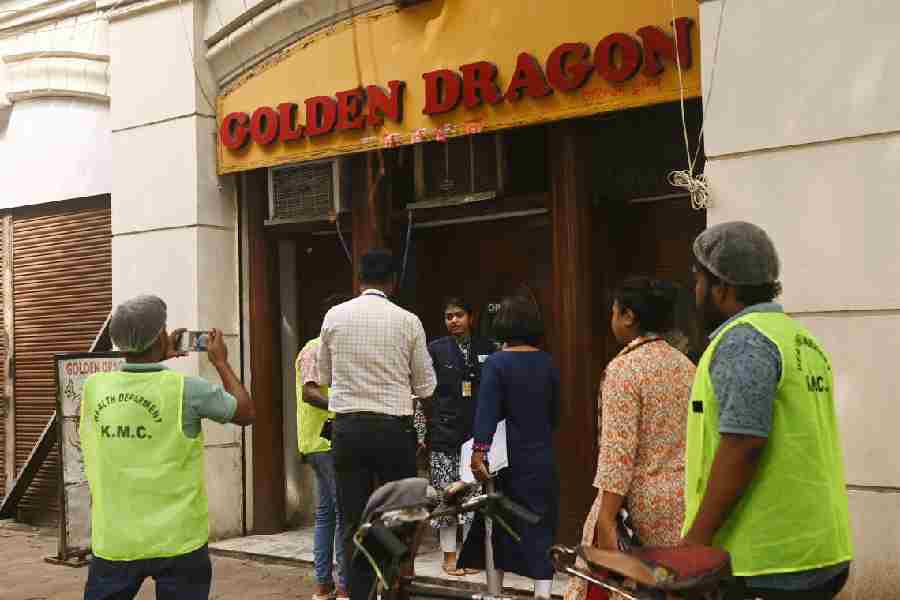
Restaurant owners in Kolkata are calling for a shift from 'media trials' to collaborative regulation after a KMC food safety crackdown suspended 54 establishments, sparking a massive reputational crisis ahead of Durga Puja.
- Kolkata Municipal Corporation (KMC) suspended 54 restaurants and sweet shops over hygiene violations.
- The National Restaurant Association of India (NRAI) has petitioned the Health Minister against 'public naming and shaming'.
- Prominent brands like Arsalan and Shimla Biryani are fighting misinformation campaigns on social media.
- Industry leaders demand education and capacity building over sensationalist raids.
The culinary landscape of Kolkata is currently embroiled in a tense standoff between regulatory authorities and the hospitality industry. Following a rigorous week-long food safety drive by the Kolkata Municipal Corporation (KMC), 54 establishments, including renowned restaurants and sweet shops, have been served temporary suspension notices. While the city prepares for the grandeur of Durga Puja, the timing of these raids has left business owners fearing permanent damage to brands built over decades.
KMC administrator Smita Pandey defended the crackdown, stating that the inspections yielded "alarming results" and were necessary to hold the food industry accountable. However, the industry's response has been one of caution and concern. The National Restaurant Association of India (NRAI), led by president Sagar Daryani, argues that the current approach prioritizes sensationalism over public health, with cameras often preceding fair questioning.
Why This Matters
BozokMedia analysis shows that this conflict highlights a systemic gap in how urban regulatory bodies handle compliance in India. When enforcement is coupled with high-visibility media presence, the result is often a 'guilty by default' perception. In a city like Kolkata, where food is central to cultural identity, a perceived hygiene failure during the festive season can lead to catastrophic revenue losses and long-term brand erosion.
"Enforcement should focus on remediation and education rather than public trials to ensure sustainable public health outcomes."
The crisis has spilled over into the digital realm, where social media platforms have become breeding grounds for misinformation. Popular chains such as Arsalan and Shimla Biryani have been forced to hold press conferences and issue public clarifications to debunk rumors of closure and the use of 'stale meat'. Even legendary establishments like Girish Chandra Dey & Nakur Chandra Nandy found themselves caught in the crossfire due to name similarities with suspended shops.
The NRAI has formally requested the FSSAI for clearer guidelines and sensitization sessions. They argue that while rigorous checks are welcome, the process should be transparent and devoid of unnecessary publicity. The association emphasizes that the hospitality sector is one of the city's largest employment generators, and an unstable regulatory environment threatens thousands of livelihoods.
| Perspective | KMC/Regulatory View | Restaurateurs/NRAI View |
|---|---|---|
| Primary Goal | Public accountability & hygiene | Compliance through education |
| Methodology | Surprise raids & suspensions | Guidance & remediation |
| Publicity | Transparency of violations | Avoidance of 'Media Trials' |
Frequently Asked Questions
Q1: How many restaurants were affected by the KMC drive?
A: A total of 54 restaurants and sweet shops received temporary suspension notices during the week-long inspection.
Q2: What is the NRAI demanding from the government?
A: The NRAI is seeking greater clarity on FSSAI protocols and requesting that inspections be conducted without unnecessary media publicity to avoid reputational damage.